
17 Frugal Kitchen Habits That Save Money
Your grocery budget doesn't have to be a black hole. These 17 kitchen habits are proven money-savers that work without turning cooking into a chore. From smarter shopping to making the most of every ingredient, each tip delivers real savings you'll notice at the checkout.
Start with the easiest wins—like meal planning around sales or using a strict grocery list—and watch your weekly total drop. The best part? Most of these ideas actually make your kitchen run smoother, not harder.
Pick one or two habits to try this week. Small changes add up fast, and before you know it, you'll wonder why you didn't start sooner.

Free PDF Download
Not Sure Which Side Hustle Fits You Best?
Take the free Side Hustle Matchmaker Quiz and get a simple 7-day starter plan to help you choose a beginner-friendly idea based on your time, skills, comfort level, and goals.
You’ll get this free PDF plus access to the full Marketerna Save More & Earn More PDF Kit. No spam. Unsubscribe anytime.
1. Plan Your Meals Around What's on Sale
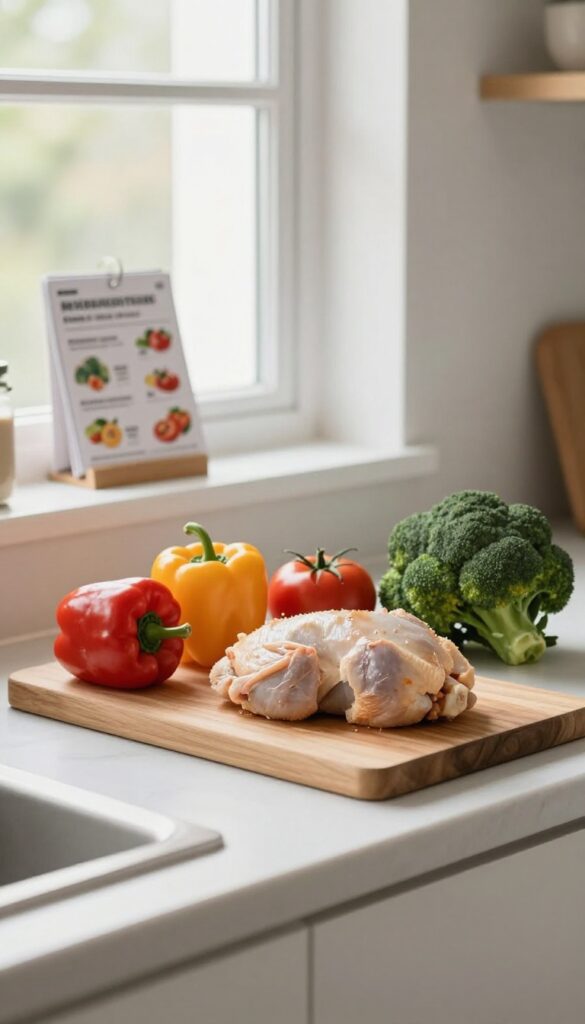
Grocery stores rotate sales every week, and those deals can be your biggest money-saving tool. Instead of deciding what you want to eat and then buying ingredients at full price, flip the process. Check the weekly ads first, then build your meal plan around the discounted items.
This simple switch cuts impulse buys and lowers your total bill without sacrificing variety.
Start by grabbing the store flyer or checking apps like Flipp. Look for proteins, produce, and pantry staples that are marked down. Then brainstorm meals that use those ingredients.
If chicken thighs are on sale, plan a stir-fry, grilled chicken salad, and a simple roast. You'll buy what's cheap and use it up before it goes bad.
Match Sales To Your Pantry
Before you shop, take stock of what you already have. If canned tomatoes and pasta are in your cupboard, and ground beef is on sale, you've got the makings of spaghetti Bolognese. Building meals around what you own plus what's discounted prevents duplicate purchases and wasted food.
Stock Up When It's Cheap
Not everything needs to be eaten right away. When non-perishables like rice, beans, or frozen vegetables hit a low price, buy extra. The same goes for meat—portion it out and freeze it.
You'll pay less per pound and always have something on hand for a quick meal.
Keep A Running List Of Deals
Create a simple note on your phone or a whiteboard on the fridge. Jot down common items you use often and their best sale prices. When you see a deal that matches or beats that price, grab it.
Over time, you'll learn the patterns and know exactly when to buy.
2. Use a Grocery List and Stick to It
A written list is your best defense against impulse buys and forgotten essentials. Studies show that shoppers who bring a list spend significantly less than those who don't. It's a simple habit that keeps you focused and your wallet happy.
Plan Before You Shop
Take five minutes before heading to the store to check your pantry and fridge. Note what you already have and what you need for the week's meals. This prevents buying duplicates and ensures you actually use what you purchase.
Organize By Store Layout
Group your list by sections like produce, dairy, and canned goods. That way, you're not zigzagging across the store and getting tempted by end-cap displays. A logical order saves time and reduces exposure to unplanned items.
Stick To It, No Exceptions
When you see a deal on something not on your list, ask yourself: Do I have a plan for this? Will it get used before it spoils? If not, walk away.
The list is your commitment to your budget—honor it.
Free PDF Download
Not Sure Which Side Hustle Fits You Best?
Take the free Side Hustle Matchmaker Quiz and get a simple 7-day starter plan to help you choose a beginner-friendly idea based on your time, skills, comfort level, and goals.
You’ll get this free PDF plus access to the full Marketerna Save More & Earn More PDF Kit. No spam. Unsubscribe anytime.
3. Buy Whole Foods Instead of Pre-Cut
It's easy to grab that bag of pre-chopped onions or the container of sliced apples when you're in a hurry. But convenience comes with a steep markup. Pre-cut produce can cost twice as much per pound as whole fruits and vegetables.
A few minutes with a knife can put that extra cash right back in your pocket.
The Price Gap Is Real
A whole pineapple might cost $3, while pre-cut chunks can run $5 for the same amount. That's a 40% premium just for someone else doing the cutting. The markup is even higher for smaller items like berries or mushrooms.
When you buy whole, you're paying for the food, not the labor.
You Get More For Your Money
Whole produce often yields more usable food than pre-cut versions. Pre-cut bags sometimes include less desirable pieces or spoil faster because of the increased surface area. With whole items, you control the quality and can use every bit—peels, cores, and stems can become stock or compost.
Quick Prep Hacks That Save Time
Worried about the extra time? Batch prep once a week. Spend 15 minutes chopping onions, bell peppers, and carrots, then store them in airtight containers.
You'll have ready-to-use veggies for days without the premium price. A good chef's knife and a cutting board are all you need.
4. Cook Once, Eat Twice (or More)
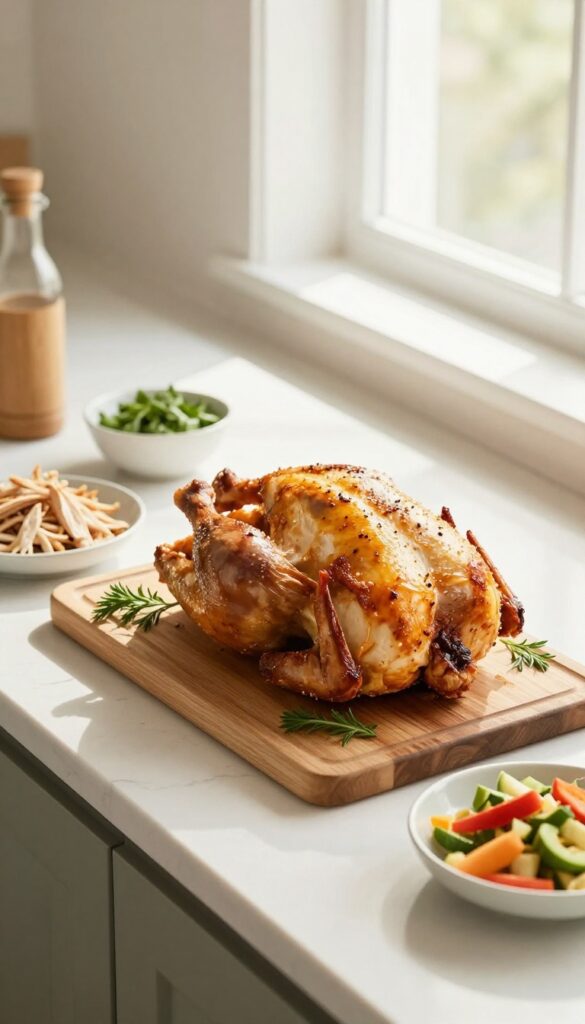
Leftovers don't have to mean sad, repetitive meals. The trick is to cook with intention—making extra on purpose so you can repurpose those ingredients into entirely new dishes. A little planning upfront turns one cooking session into multiple meals, saving both time and money.
Think of it as cooking smarter, not harder.
Start With A Workhorse Meal
Choose a versatile base that can go in several directions. A whole roasted chicken is a classic example—serve it as the main dish one night, then shred the leftovers for tacos, add to soup, or pile onto sandwiches. A big batch of chili, a pot of beans, or a tray of roasted vegetables works the same way.
Plan Your Leftover Transformations
Before you cook, think about two or three ways you'll use the extras. For instance, cook extra rice to use in fried rice later, or grill extra chicken breasts to slice over salads all week. Having a loose plan prevents leftovers from languishing in the fridge.
Store For Success
Portion leftovers into meal-sized containers right after cooking. Label them with the date and a brief note on what they could become. This makes it easy to grab and go, and you'll never wonder, "What is this?
" when you open the fridge.
Free PDF Download
Not Sure Which Side Hustle Fits You Best?
Take the free Side Hustle Matchmaker Quiz and get a simple 7-day starter plan to help you choose a beginner-friendly idea based on your time, skills, comfort level, and goals.
You’ll get this free PDF plus access to the full Marketerna Save More & Earn More PDF Kit. No spam. Unsubscribe anytime.
5. Master the Art of Using Leftovers
That container of roasted veggies or half a pot of chili sitting in the fridge? It's not just a leftover—it's a head start. Learning to repurpose leftovers creatively can slash your food waste and stretch your grocery budget further than you'd think.
Once you get the hang of it, you'll actually look forward to seeing what's in the fridge.
Leftovers don't have to mean sad, repetitive meals. With a little creativity, last night's dinner can become today's lunch or even a completely different dish. This habit not only saves money by reducing food waste, but also cuts down on cooking time and grocery shopping.
Turn Proteins Into New Meals
Leftover chicken, beef, or tofu can be shredded and tossed into tacos, salads, or sandwiches. A simple shift in seasoning or sauce makes it feel brand new. For example, last night's grilled chicken becomes today's chicken salad wrap or a topping for a grain bowl.
Veggies Are The Ultimate Base
That mix of roasted broccoli, bell peppers, and onions? Chop them up and stir them into a frittata, fold them into a quesadilla, or add them to a quick stir-fry. They also work beautifully in grain bowls with a fresh dressing.
The key is to treat them as an ingredient, not a leftover.
Grains And Starches Reinvented
Extra rice or quinoa can become fried rice, a stuffed pepper filling, or a hearty soup thickener. Leftover pasta? Toss it with a little olive oil and fresh herbs for a cold pasta salad, or bake it into a casserole.
Even mashed potatoes can be turned into crispy potato cakes.
6. Store Food Properly to Extend Freshness
You might be throwing money away without realizing it—every time fresh produce goes bad before you get a chance to eat it. The good news? A few simple storage tweaks can double the life of your groceries.
No fancy containers needed, just a little know-how about which foods like the fridge and which prefer the counter.
Learning where each item belongs is the first step. Onions and potatoes, for example, need separate spots—onions release gases that make potatoes sprout faster. Keep potatoes in a cool, dark place like a paper bag, and store onions in a mesh bag for airflow.
Tomatoes, bananas, and avocados do best on the counter until ripe, then move them to the fridge to slow spoilage. Leafy greens stay crisp longer when wrapped in a dry paper towel inside a sealed bag. Berries?
Don't wash them until right before eating—moisture invites mold. A little attention to storage habits keeps food fresh, cuts waste, and saves you from buying replacements too soon.
Fridge Vs. Counter: Know The Rules
Not all produce belongs in the fridge. Potatoes, onions, garlic, and winter squash prefer a cool, dark cabinet. Tomatoes lose flavor in the cold, so keep them on the counter until fully ripe.
Bananas, avocados, and stone fruits also ripen better at room temperature. Once they're ripe, you can move them to the fridge for a few extra days.
Use The Right Containers And Wraps
Airtight containers aren't always best. Leafy greens need airflow—store them in a container with a paper towel to absorb moisture. Mushrooms stay fresh in a paper bag.
Herbs like cilantro and parsley last longer when their stems are in water, like a bouquet, with a plastic bag loosely over the leaves. Berries keep best in their original container with a paper towel tucked in to catch excess moisture.
Keep Ethylene Producers Separate
Some fruits release ethylene gas, which speeds up ripening in nearby produce. Apples, bananas, and tomatoes are big producers. Keep them away from ethylene-sensitive items like leafy greens, broccoli, and berries.
A separate drawer or a different shelf can make a noticeable difference in how long your veggies stay crisp.
7. Freeze Before It Spoils
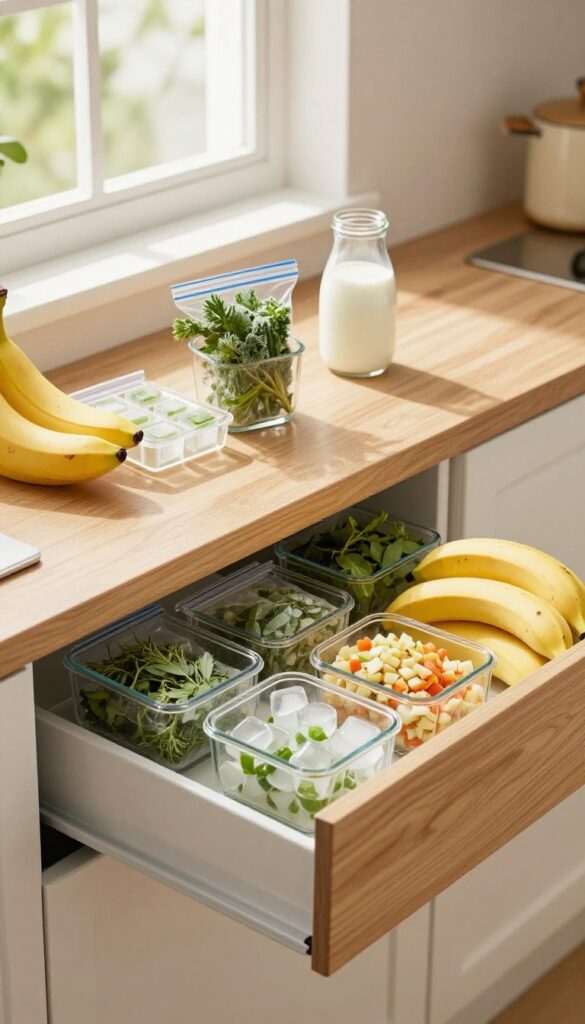
Your freezer is a money-saving powerhouse if you use it right. That leftover half-can of tomato paste, the bunch of parsley you bought for one recipe, or the milk that's about to hit its date—they can all be frozen instead of tossed. The trick is knowing what freezes well and how to store it so it stays usable.
Freeze leftovers, extra herbs, ripe bananas, and even milk before they go bad. A well-stocked freezer is a money-saving tool.
Herbs And Greens
Got leftover fresh herbs? Chop them, stuff into ice cube trays, cover with olive oil or water, and freeze. Pop out a cube whenever a recipe calls for herbs.
Same works for spinach or kale—blanch first, then freeze in portions.
Dairy And Eggs
Milk freezes fine for up to three months—just leave room in the container for expansion. Butter freezes beautifully for months. Eggs can be beaten and frozen in ice cube trays (two cubes = one egg).
Cheese? Grate it first, then freeze in bags for easy melting.
Produce And Leftovers
Ripe bananas go straight into the freezer for smoothies or banana bread. Chop onions and bell peppers and freeze on a tray before bagging. Soups, stews, and sauces freeze perfectly in portion-sized containers.
Label everything with dates so you know what to use first.
8. Make Your Own Staples
Store-bought staples like broth, dressing, and seasoning packets are convenient, but they come with a markup you don't need to pay. Making your own versions at home costs a fraction of the price and often tastes better. Plus, you control exactly what goes in—no mystery ingredients or excess sodium.
Start with the items you use most often. Broth is a perfect first project because it uses scraps you'd normally toss. Salad dressing is another easy win—a simple vinaigrette takes two minutes and costs pennies.
Seasoning blends are just as simple: mix dried herbs and spices you already have. Over a year, these swaps can save you hundreds.
Broth From Scraps
Save vegetable peels, onion ends, carrot tops, and chicken bones in a freezer bag. When the bag is full, simmer everything in water for an hour or two. Strain and you've got free, flavorful broth.
No more buying boxes for $3 each.
Simple Salad Dressing
Whisk together 3 parts oil, 1 part vinegar, a dab of mustard, salt, and pepper. That's it. Change up the vinegar or add herbs for variety.
A bottle costs about 20 cents to make versus $4 at the store.
Diy Seasoning Blends
Mix your own taco seasoning, ranch mix, or Italian blend using spices from your pantry. For example, taco seasoning is just chili powder, cumin, garlic powder, onion powder, paprika, and oregano. Store in a small jar and use as needed.
9. Buy in Bulk for Non-Perishables
Bulk bins aren't just for crunchy granola types—they're a legit money hack. Rice, pasta, oats, and spices cost way less per ounce when you skip the fancy packaging. The trick is knowing what you'll actually use before you commit to a 10-pound bag.
Know Your Staples
Stick to items you cook with every week. White rice, rolled oats, pasta, flour, sugar, and basic spices like salt, pepper, and garlic powder are safe bets. Avoid trendy grains or exotic spices you might only use once.
Check Unit Prices
Not all bulk deals are created equal. Compare the per-ounce price on the shelf tag to the regular boxed version. Sometimes the big bag is only pennies cheaper—skip it if you won't finish it before it goes stale.
Store It Right
Transfer bulk buys into airtight containers right away. Mason jars, clip-top jars, or even repurposed pickle jars work great. Keep them in a cool, dark pantry.
Label with the purchase date so you know what's oldest.
Don't Overbuy
It's tempting to grab the biggest bag because it's the best value. But if you live alone or have a small kitchen, a medium bag might be smarter. Wasting food is never a bargain.
10. Reduce Food Waste with a 'Use It Up' Shelf
A dedicated 'use it up' shelf in your fridge can slash food waste and save you real money. It's a simple visual trick that keeps aging ingredients front and center, so you actually remember to eat them before they spoil. No more mystery containers pushed to the back.
Designate one shelf or bin in your fridge for items that need to be eaten soon—leftovers, wilting veggies, half-used jars, and soon-to-expire dairy. When you open the fridge, that shelf grabs your attention first. Plan meals around what's there, or use it as a snack station.
The key is to check it daily and rotate new items in as others get used up. This habit alone can cut your weekly grocery bill by making the most of what you already bought.
How To Set It Up
Pick a shelf at eye level in your fridge. Clear it off and label it 'Use It Up' with a piece of tape or a small sign. Every time you put leftovers or produce that's starting to turn, place it there.
Keep a mental (or written) list of what's on that shelf, and challenge yourself to cook from it at least twice a week.
What Goes On The Shelf
Almost anything that's nearing its end: cooked grains, roasted vegetables, half an onion, cheese ends, yogurt about to expire, herbs, and ripe fruit. Even single servings of soup or sauce. If it's edible and needs eating soon, it belongs on that shelf.
The goal is to give everything a last chance to be used.
Meal Ideas For The Shelf
Use leftover veggies in frittatas, stir-fries, or soups. Turn wilting greens into pesto or smoothies. Overripe fruit becomes compote, banana bread, or freezer jam.
Leftover grains make quick grain bowls or fried rice. A little creativity turns a random collection of ingredients into a free meal.
11. Cook with Cheaper Cuts of Meat
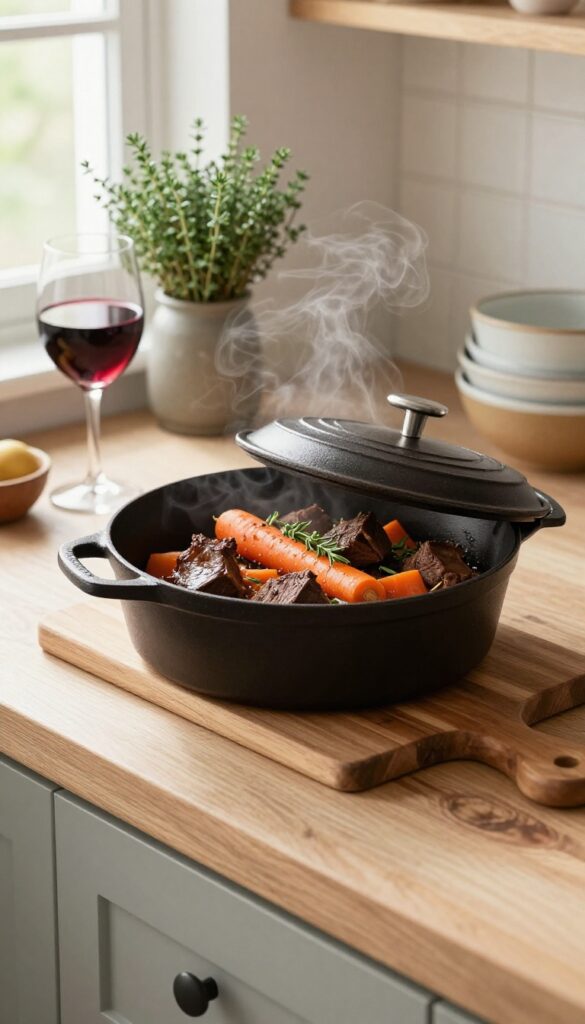
Fancy steaks and boneless chicken breasts can wreck a grocery budget fast. But the most flavorful meats are often the cheapest—they just need a little patience. Tough cuts like chuck, shoulder, and thighs become incredibly tender when cooked low and slow, and they cost a fraction of the price of premium cuts.
Plus, they bring way more flavor to your plate.
Switching to cheaper cuts doesn't mean sacrificing taste. It means learning a few simple techniques that turn budget meat into comfort food gold. Braising, stewing, and slow cooking break down connective tissue, making even the toughest cuts fork-tender.
You'll also get richer, deeper flavors from the fat and collagen that melt during long cooking. And since these cuts are usually sold in larger portions, you'll have leftovers for lunches or another meal.
The Best Budget Cuts To Try
Chicken thighs are juicier and more forgiving than breasts, and they're often half the price. Pork shoulder is perfect for pulled pork or carnitas—just season and roast low. Beef chuck makes incredible stews, pot roasts, and shredded beef tacos.
Even tougher cuts like brisket or lamb shanks can be budget-friendly when cooked properly.
How To Cook Them Right
Low and slow is the golden rule. Use a Dutch oven, slow cooker, or a heavy pot with a tight lid. Brown the meat first for extra flavor, then add liquid (broth, wine, or even water) and aromatics.
Cook at 300°F or on low in a slow cooker for several hours until the meat shreds easily. You can also braise on the stovetop at a gentle simmer.
Stretch Your Meat Even Further
One of the best parts about cheaper cuts is how well they stretch. A single pork shoulder can feed a crowd or provide multiple meals: tacos one night, sandwiches the next, and a soup with the leftovers. Shredded beef can top nachos, fill enchiladas, or go into a hearty hash.
You get more bang for your buck without feeling like you're eating the same thing twice.
12. Embrace Meatless Meals a Few Times a Week
You don't have to go full vegetarian to save money at the grocery store. Just cutting out meat one or two nights a week can drop your weekly total noticeably. Beans, lentils, and eggs are protein-packed and cost a fraction of what you'd pay for chicken or beef.
Start small—maybe a Meatless Monday or a simple egg dinner on Wednesday. You'll barely miss the meat when the meal is hearty and flavorful. Plus, plant-based proteins have a much longer shelf life, so you waste less food.
Protein Powerhouses On A Budget
Canned beans, dried lentils, and eggs are your new best friends. A pound of dried lentils costs about $1. 50 and makes several meals.
Eggs are still one of the cheapest sources of protein around. Stock up on these staples and you'll always have a cheap, filling meal ready.
Flavor Without The Price Tag
Meatless meals can be just as satisfying if you season them well. Think cumin-spiced black bean tacos, lentil Bolognese, or a hearty vegetable curry. A few spices and a can of tomatoes can transform cheap ingredients into something you actually crave.
Easy Swaps That Stick
Don't overthink it. Swap ground beef for lentils in tacos or chili. Use chickpeas in place of chicken in a salad.
Try a frittata for dinner instead of a meaty casserole. Once you realize how easy these swaps are, you'll wonder why you didn't do them sooner.
13. Grow Your Own Herbs
Fresh herbs from the store are tiny, wilt quickly, and cost a surprising amount per ounce. A single bunch of basil can run $2–$3, and if you only need a few leaves, the rest often goes bad before you use it. Growing your own solves both problems at once.
A few pots on a sunny windowsill give you a constant supply of basil, parsley, mint, or chives for a one-time seed or starter cost. No more paying $2 for a handful of leaves or tossing slimy herbs from the fridge.
Start with the easiest herbs: basil, mint, chives, and parsley. They grow fast, need minimal care, and you can snip what you need without killing the plant. A 4-inch pot from a nursery costs about $3–$5 and will produce for months.
Seeds are even cheaper—a $2 packet yields dozens of plants. Keep pots near a south-facing window or under a simple grow light. Water when the soil feels dry, and harvest often to encourage bushier growth.
Within a few weeks, you'll have enough for cooking, garnishing, and even drying or freezing extras.
Which Herbs Save The Most?
Basil, cilantro, and parsley are the biggest money-savers because they're expensive fresh and used frequently. Mint and chives are nearly indestructible and spread like crazy, so one plant can supply you for years. Rosemary and thyme are also great choices—they're pricey at the store and thrive in small pots with little attention.
No Windowsill? No Problem
If natural light is scarce, a small LED grow light ($15–$20) works wonders. Set it on a timer for 12–14 hours a day, and your herbs will grow just as well as they would in full sun. Countertop hydroponic kits are another option, but a simple pot and a light bulb are cheaper and just as effective.
14. Use Every Part of the Vegetable
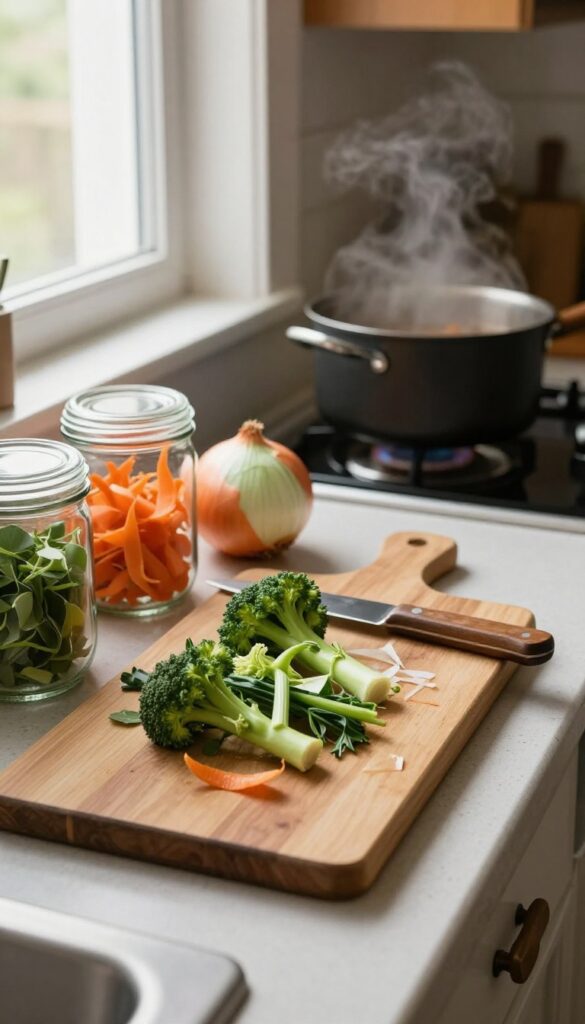
That pile of veggie scraps you toss in the trash? It's basically free food. Broccoli stems, carrot tops, onion skins, and even potato peels can be turned into something delicious.
Getting creative with scraps isn't just about being thrifty—it's about stretching every dollar you spend on produce.
Scrap Stock: Liquid Gold
Keep a bag in the freezer for vegetable ends and peels. When it's full, simmer them with water, salt, and a bay leaf for an hour. Strain, and you've got homemade stock for soups, rice, or sauces.
No more buying broth at the store.
Stems And Leaves: Pesto Power
Broccoli stems are tender and sweet—peel them and chop into stir-fries. Carrot tops, beet greens, and radish leaves make a fantastic pesto. Blend with nuts, garlic, oil, and parmesan for a spread that costs pennies compared to basil pesto.
Peels And Skins: Crispy Toppers
Potato peels tossed with oil and salt, then roasted until crispy, become a snack or salad topper. Onion skins add color and flavor to stocks, and citrus zest can be dried for baking. Nothing goes to waste.
15. Avoid Shopping When Hungry
You've heard it before, but it's worth repeating: never hit the grocery store on an empty stomach. Hunger messes with your willpower and makes everything look delicious. Suddenly, that bag of chips or premade pasta salad ends up in your cart, even though it wasn't on your list.
The result? A higher bill and a kitchen full of stuff you don't need.
The science is simple: when you're hungry, your body craves quick energy, so you reach for high-calorie, often expensive convenience foods. A quick snack before you go can save you from these impulse buys. Even a piece of fruit or a handful of nuts can take the edge off and help you stick to your list.
You'll make smarter choices and keep your wallet happy.
The Impulse Trap
Hunger triggers a primal response that overrides your rational budgeting brain. Studies show that shoppers who are hungry spend up to 64% more on non-essential items. That 'treat yourself' mentality kicks in, and you end up with snacks, frozen pizzas, and sugary drinks that weren't planned.
A simple snack beforehand can cut those impulse buys dramatically.
Healthy Choices, Lower Costs
When you're not starving, you're more likely to choose whole foods like vegetables, beans, and grains over processed options. These staples are cheaper per serving and better for you. You'll also be more patient with comparing prices and looking for sales, which adds up over time.
What To Eat Before You Go
Aim for something with protein and fiber to keep you full. An apple with peanut butter, a small yogurt, or a handful of almonds works great. Avoid sugary snacks that cause a blood sugar crash later.
The goal is to take the edge off, not to eat a full meal.
16. Compare Unit Prices, Not Package Prices
That bulk bag of rice looks like a steal, but is it really? Grocery stores are masters of package psychology—bigger boxes, flashy sale tags, and confusing sizes. The only way to know for sure is to check the unit price.
It's the small print on the shelf tag that shows cost per ounce, pound, or liter. Once you start reading those numbers, you'll spot savings hiding in plain sight.
Unit pricing cuts through the marketing noise. A giant bag of chips might be 20% more expensive per ounce than the regular size. A jumbo jar of pasta sauce could cost more per serving than two smaller jars.
The trick is to ignore the package size and look at the per-unit cost. Over time, this habit saves real money without changing what you buy.
Where To Find Unit Prices
In most US grocery stores, the unit price is printed right below the total price on the shelf tag. It's usually in small text, so you might need to lean in. Look for "per oz, " "per lb, " or "per 100g.
" Some store apps also show unit prices when you scan items. Once you know where to look, it becomes second nature.
When Bigger Isn't Better
It's tempting to think the largest package is the best value, but that's not always true. Sometimes the medium size is on sale, or the brand offering a coupon has a better per-unit cost. For items like spices, olive oil, or cleaning products, the smaller container can actually be cheaper per ounce.
Always double-check.
Unit Price Cheat Sheet For Common Items
For pantry staples like rice, pasta, and flour, buying in bulk usually wins—but verify the unit price. For perishables like yogurt or milk, the larger tub often costs less per ounce, but only if you'll use it before it spoils. For snacks and cereals, the family-size box may be a trap; the regular size often has a better unit price.
When in doubt, do the math.
17. Drink Tap Water Instead of Bottled
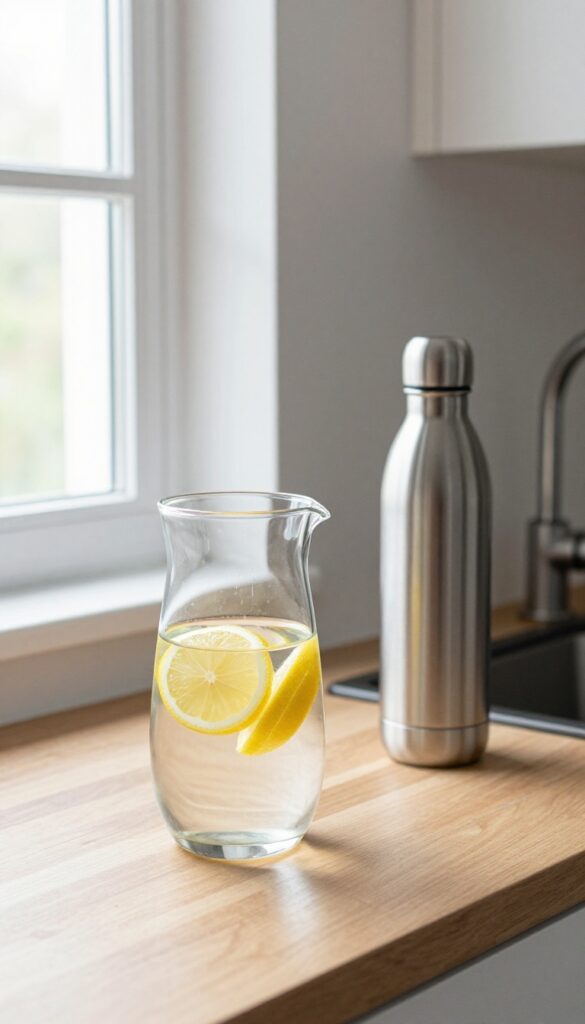
Bottled water is one of the biggest money wasters in a kitchen. A single bottle costs more per gallon than gasoline, and the expense adds up fast if you drink several a day. The fix is simple: switch to tap water, maybe filtered, and use a reusable bottle.
Your wallet and the planet will thank you.
Filtered tap water costs a fraction of bottled water and eliminates plastic waste. Invest in a reusable bottle and save hundreds yearly.
The Real Cost Of Bottled Water
A 16-ounce bottle of water costs about $1. 50 on average. Drink three a day, and you're spending over $1, 600 a year.
Tap water, even with a filter, costs less than a penny per gallon. That's a savings of hundreds of dollars annually with zero effort.
Filtering Makes Tap Taste Great
If you don't like the taste of your tap water, a simple pitcher filter or faucet attachment fixes that. They cost around $30 upfront and about $50 a year for replacement filters. Still way cheaper than bottled water, and you get crisp, clean water on demand.
One Reusable Bottle Is All You Need
Buy a sturdy reusable bottle—stainless steel or BPA-free plastic—for around $20. Fill it from the tap before you leave the house, and you'll never need to buy another plastic bottle. It pays for itself in less than two weeks.
FAQ
How much money can these kitchen habits really save?
Depending on your household size and current habits, implementing several of these tips can save you $50 to $200 per month on groceries and reduce food waste significantly.
Do I need to do all 17 habits to see results?
No, start with 2 or 3 that feel easiest. Even small changes like using a grocery list or storing produce properly will make a noticeable difference.
Is buying in bulk always cheaper?
Not always. Check the unit price on bulk items—sometimes larger packages have a higher per-unit cost. Only buy bulk if you'll use it before it spoils.
How do I store vegetables to keep them fresh longer?
Leafy greens like lettuce and spinach stay crisp when stored with a paper towel in a sealed container. Keep potatoes and onions in a cool, dark place, not the fridge.
What's the easiest habit to start with?
Making a grocery list before you shop is one of the simplest and most effective. It takes five minutes and can cut impulse spending by 20% or more.
Conclusion
These 17 habits prove that frugal living is about smart choices, not sacrifice. Start with one or two that feel doable—maybe meal planning or using leftovers creatively.
As the savings add up, you'll gain confidence to try more. Before long, these small shifts become second nature, and your wallet will thank you.
Free PDF Download
Not Sure Which Side Hustle Fits You Best?
Take the free Side Hustle Matchmaker Quiz and get a simple 7-day starter plan to help you choose a beginner-friendly idea based on your time, skills, comfort level, and goals.
You’ll get this free PDF plus access to the full Marketerna Save More & Earn More PDF Kit. No spam. Unsubscribe anytime.