21 Ways to Stop Overspending and Keep More Cash
Overspending often happens in small, unnoticed moments—a subscription you forgot about, a spontaneous takeout order, or a sale that felt too good to skip. These 21 strategies target those exact weak spots, helping you plug leaks without overhauling your entire lifestyle.
You don't need willpower boot camp, just a few simple systems that work with your habits. Start with the easiest wins: track one week of spending to see where your money actually goes, then unsubscribe from retail emails that tempt you daily.
The 24-hour rule for non-essentials gives you space to decide if you really need something, while switching to cash for fun spending makes every purchase feel more real.

Free PDF Download
Not Sure Which Side Hustle Fits You Best?
Take the free Side Hustle Matchmaker Quiz and get a simple 7-day starter plan to help you choose a beginner-friendly idea based on your time, skills, comfort level, and goals.
You’ll get this free PDF plus access to the full Marketerna Save More & Earn More PDF Kit. No spam. Unsubscribe anytime.
1. Track Every Dollar for a Week
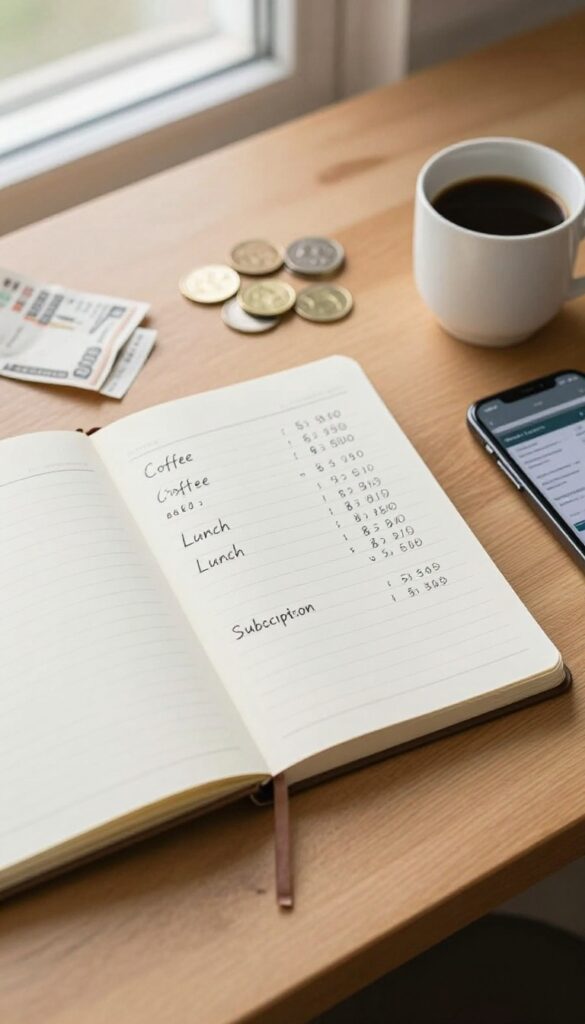
You can't fix what you don't see. Most overspending happens on autopilot—small purchases that add up without you noticing. That's why the first step is simple: track every single dollar you spend for one week.
No judgment, just observation.
Grab a notebook, a spreadsheet, or a budgeting app. Log every coffee, every subscription, every impulse buy. At the end of the week, look for patterns.
Maybe you're spending $40 on takeout lunches or $30 on streaming services you rarely use. Awareness alone often sparks change.
What To Track
Include everything: cash, card, Venmo, auto-pays. Don't round down—record exact amounts. Even a $1.
50 candy bar counts. The goal is a complete picture, not a perfect one.
Spot Your Leaks
After seven days, categorize your spending. Look for the top three categories that surprise you. Those are your money leaks.
Common culprits: dining out, groceries, and small online purchases.
Next Step
Use your findings to set one small change for the following week. For example, if you spent $50 on coffee, try making coffee at home three days. Small tweaks lead to big savings over time.
2. Unsubscribe from Retail Emails
Those promotional emails flooding your inbox aren't just annoying—they're designed to trigger impulse buys. Retailers spend big money on email marketing because it works. Every subject line is crafted to make you feel like you're missing out.
The fix is simple: mass unsubscribe. It takes an afternoon and saves you hundreds.
Start by searching your inbox for "unsubscribe" to find all retailers. Use a tool like Unroll. me or do it manually. Be ruthless—if you haven't bought from them in six months, they go.
Keep only essential transactional emails (shipping confirmations, receipts).
Why It Works
When you stop seeing sales and new arrivals, the urge to buy fades. You can't impulse-purchase what you don't know exists. Plus, fewer emails mean less mental clutter, so you can focus on what you actually need.
How To Make It Stick
Set a rule: every time a new promotional email lands, unsubscribe immediately. Don't even open it. Over time, your inbox becomes a calm, useful space instead of a temptation machine.
Free PDF Download
Not Sure Which Side Hustle Fits You Best?
Take the free Side Hustle Matchmaker Quiz and get a simple 7-day starter plan to help you choose a beginner-friendly idea based on your time, skills, comfort level, and goals.
You’ll get this free PDF plus access to the full Marketerna Save More & Earn More PDF Kit. No spam. Unsubscribe anytime.
3. Use the 24-Hour Rule for Non-Essentials
Impulse buys feel great in the moment, but that rush fades fast. The 24-hour rule is a simple way to hit pause before you spend. By waiting just one day, you let the initial excitement cool down and give your rational brain time to weigh in.
Most of the time, you'll realize you didn't really want that item after all.
The 24-hour rule works because it exploits a quirk in how we make decisions. When we see something we want, our emotions spike first—excitement, fear of missing out, a sense of reward. Waiting 24 hours lets that spike settle, so you can decide with a clearer head.
It's not about depriving yourself; it's about giving yourself permission to buy only what truly matters. To make it stick, create a simple system. Keep a note on your phone or a small notebook where you jot down the item, price, and date.
When the 24 hours are up, review the list. You'll be surprised how many items you cross off without a second thought. Over time, this practice rewires your brain to pause automatically before any non-essential purchase.
Why 24 Hours Works
The delay exploits the gap between emotional impulse and rational thought. When you first see something, your brain's reward system lights up. Waiting lets that signal fade, so you can evaluate whether you actually need it or just wanted the thrill of buying.
How To Set It Up
Keep a running list on your phone or a small notebook. Every time you want to buy something non-essential, note the item, price, and date. After 24 hours, revisit the list.
You'll likely remove most items, saving money without feeling deprived.
What Counts As Non-essential
Essentials are things you need to function: groceries, gas, medicine, rent. Non-essentials are everything else—new clothes, gadgets, home decor, takeout, entertainment. If you're unsure, ask yourself: 'Will I regret not buying this in a week? ' If the answer is no, it's non-essential.
4. Switch to Cash for Discretionary Spending
Plastic makes spending painless—maybe too painless. Swiping a card doesn't feel like losing money, but handing over crisp bills does. That's the whole point.
Cash creates a psychological barrier that cards don't. When you see your wallet thinning, you naturally slow down.
Withdraw a fixed amount of cash each week for non-essentials like dining out, entertainment, or shopping. Once it's gone, it's gone. No exceptions.
This forces you to prioritize what truly matters and makes every purchase a conscious choice.
The Envelope System
Divide your cash into envelopes labeled by category: restaurants, coffee, hobbies, etc. When an envelope is empty, you stop spending in that category until next week. It's simple, visual, and brutally effective.
What Counts As Discretionary?
Be clear about what comes from your cash fund. Groceries, bills, and gas stay on cards or bank transfers. Only fun money—things you want but don't need—comes from the envelope.
This prevents you from running out of cash for essentials.
Start Small, Build The Habit
If going full cash feels extreme, start with one category you overspend on most, like takeout or clothes. Withdraw a modest weekly amount and see how it changes your behavior. Once you feel the difference, expand to other areas.
Free PDF Download
Not Sure Which Side Hustle Fits You Best?
Take the free Side Hustle Matchmaker Quiz and get a simple 7-day starter plan to help you choose a beginner-friendly idea based on your time, skills, comfort level, and goals.
You’ll get this free PDF plus access to the full Marketerna Save More & Earn More PDF Kit. No spam. Unsubscribe anytime.
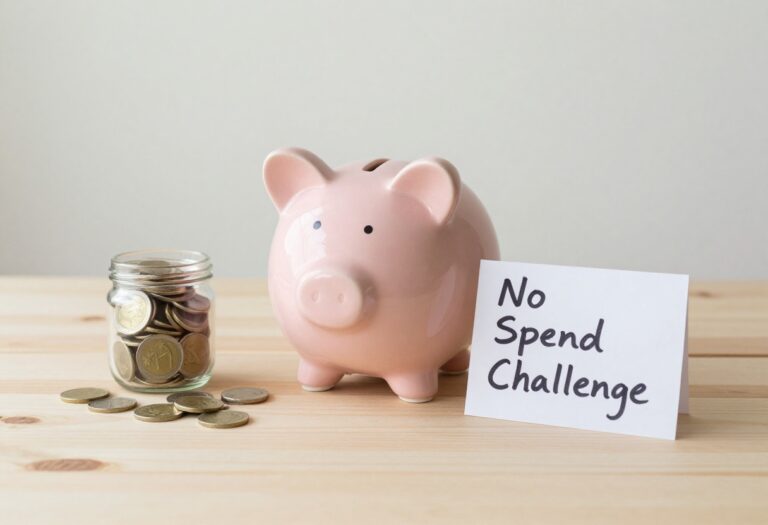
5. Create a 'No-Spend' Challenge Day Each Week

Pick one day a week where your wallet stays closed. No coffee runs, no online shopping, no takeout—just a full 24-hour spending freeze. It sounds simple, but this single day trains your brain to pause before buying.
You'll start noticing how often you spend out of habit rather than need.
Choose a day that works with your routine, like a Tuesday when you're busy or a Sunday when stores are closed. Plan ahead: prep meals, fill your gas tank, and queue up free entertainment. The goal isn't deprivation—it's awareness.
After a few weeks, you'll see how much you save and how little you actually miss those small purchases.
Pick Your Day And Prep
Decide which day feels most doable. If weekends are temptation-filled, try a weekday. Prep by cooking extra dinner the night before, packing snacks, and uninstalling shopping apps for the day.
Tell a friend so you're accountable.
Fill The Time, Not The Cart
Boredom triggers spending. Plan free activities: a walk, a movie you already own, a board game, or deep-cleaning a closet. Use the time to read, journal, or call a family member.
The key is to replace the shopping habit with something else.
Track Your Savings
At the end of each no-spend day, jot down how much you would have spent. Multiply that by four weeks—it adds up fast. Seeing that number in black and white makes the next no-spend day easier to commit to.
6. Audit Your Subscriptions Monthly
Streaming services, gym memberships, and app subscriptions add up fast. Review all recurring charges monthly and cancel anything you don't use regularly. You'll free up cash without changing your lifestyle.
It's easy to lose track of small monthly charges. A $10 streaming service here, a $15 app there—suddenly you're paying hundreds a year for things you barely touch. A monthly audit takes ten minutes and can save you real money.
Check Your Bank Statements
Go through the last two months of bank and credit card statements. Highlight every recurring charge. You'll often spot forgotten subscriptions—like that old cloud storage plan or a magazine you never read.
Use A Subscription Tracker
Apps like Truebill or Bobby can scan your accounts and list all subscriptions in one place. They even help you cancel with a few taps. No more hunting through emails to find where you signed up.
Cancel Unused Services
Be ruthless. If you haven't used it in the last 30 days, cancel it. You can always resubscribe later if you miss it.
Most services make it easy to pause instead of cancel, but pausing still costs money—so go ahead and cut the cord.
7. Shop with a List and Stick to It
A shopping list is your best defense against impulse buys. When you walk into a store or open an online cart without a plan, every discount sign and end-cap display is a trap. A list keeps you focused on what you actually need, not what marketers want you to want.
The simple act of writing a list before you shop can cut your spending by 20% or more. It turns shopping from a wandering browse into a targeted mission. Stick to it, and you'll leave with exactly what you came for—and more cash in your pocket.
Make It Before You Browse
Never start shopping without a list. Check your pantry, fridge, or closet first. Write down what's running low, and resist the urge to add extras just because they're on sale.
A list made at home, away from store temptations, is more honest.
Use The 'one In, One Out' Rule
For non-essentials like clothes or gadgets, adopt a simple rule: for every new item you buy, one old one must go. This forces you to think twice before adding something to your cart. It also keeps your home clutter-free and your budget in check.
Stick To The List, No Exceptions
Once you're in the store, treat your list like a contract. If it's not on the list, it doesn't go in the cart. This takes practice, but after a few trips, it becomes automatic.
You'll be amazed how much you don't miss those unplanned purchases.
8. Unlink Saved Payment Methods
Saved credit cards on shopping sites make checkout dangerously fast. One click and you’ve bought something you barely thought about. Remove your payment info so you have to manually enter it each time.
That extra step can be enough to stop a purchase.
When your card details are saved, buying feels like no big deal. You skip the moment of hesitation that comes with typing in numbers. By unlinking those methods, you force yourself to pause and ask, 'Do I really need this? '
The Friction Factor
Every extra click or keystroke reduces the chance you’ll buy. It’s called friction, and it’s your friend. Removing saved cards adds just enough friction to kill impulse buys.
Where To Start
Go into your account settings on Amazon, Target, or any store you use often. Delete stored cards and addresses. You can still buy later, but you’ll have to go get your wallet.
The Side Benefit
Manual entry also reduces fraud risk. If your account gets hacked, there’s no saved payment info to abuse. It’s a win for your wallet and your security.
9. Use the Envelope System for Variable Expenses
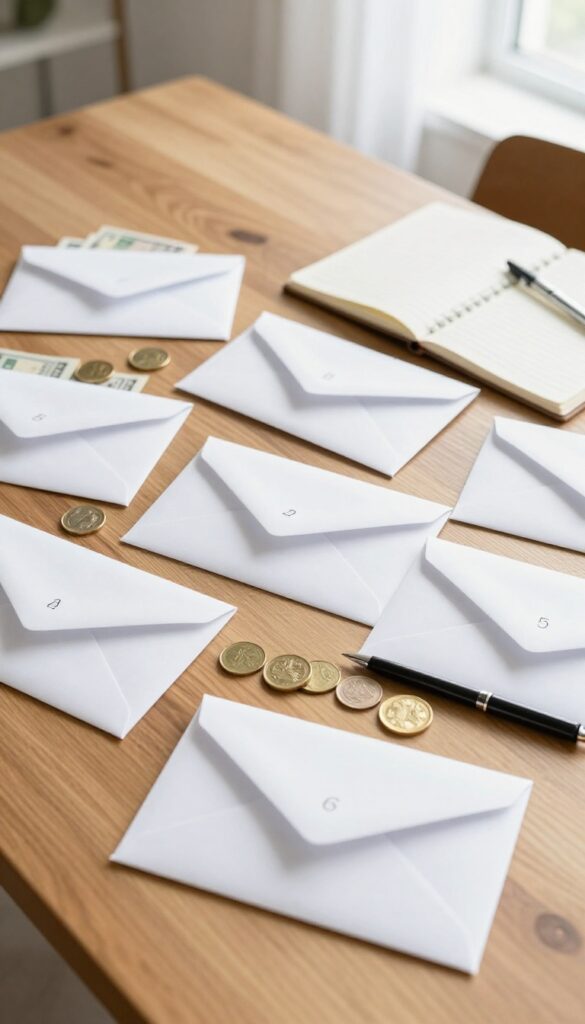
Variable expenses—dining out, entertainment, groceries—are where budgets often go to die. The envelope system makes you physically hand over cash, which triggers a stronger sense of loss than swiping a card. It’s simple: allocate cash into labeled envelopes at the start of the month, and when an envelope is empty, that category is done.
No exceptions.
The envelope system forces you to prioritize. You’ll think twice before grabbing takeout if you know it means less cash for groceries. It also helps you see exactly where your money goes, making it easier to adjust next month.
Start with just one or two categories you struggle with most.
Set Up Your Envelopes
Grab 4-6 envelopes and label them with categories like dining out, entertainment, groceries, and gas. Write a monthly budget for each based on past spending. Withdraw that total amount in cash and divide it into the envelopes.
Keep them in a secure place at home, and only take the relevant envelope when you go out.
Stick To The Limits
Once an envelope is empty, you stop spending in that category until next month. No borrowing from other envelopes unless it’s a real emergency. This creates a natural boundary that prevents overspending.
If you find yourself consistently running out early, adjust the budget for next month instead of cheating.
Track And Tweak
At the end of the month, see which envelopes had leftover cash and which ran out fast. Use that info to fine-tune your budgets. The envelope system isn’t about depriving yourself—it’s about making conscious choices.
Over time, you’ll naturally spend less in categories that don’t matter as much.
10. Find Free Alternatives to Paid Activities
Entertainment doesn't have to come with a price tag. The moment you start looking for free options, you realize how many exist—community concerts, library events, hiking trails, and local festivals often cost nothing. The key is shifting your mindset from "what can I buy to have fun?
" to "what can I do that's already free? "
Start by checking your local library's event calendar—many offer free workshops, movie nights, and even museum passes. Outdoor activities like hiking, biking, or picnics in a park cost nothing and provide genuine relaxation. For social fun, host a potluck game night instead of going out.
The savings add up fast when you realize free fun is often more memorable than paid entertainment.
Library Goldmines
Libraries are no longer just books. Many lend movies, video games, tools, and even baking pans. They also host free classes, author talks, and kids' activities.
Sign up for their newsletter to stay in the loop.
Community Events
Check your town's website or Facebook events for free concerts, outdoor movie screenings, and holiday celebrations. Farmers markets often have free samples and live music. These events build community without draining your wallet.
Nature On A Budget
Hiking, birdwatching, or simply walking in a local park are zero-cost activities that boost your mood and health. Many state parks have free entry days. Pack a picnic instead of eating out for a full day of fun.
11. Set a 'Fun Fund' Spending Limit
You don't have to cut all fun out of your budget to save money. In fact, trying to eliminate every little pleasure often backfires and leads to bigger splurges later. The trick is to give yourself a dedicated allowance for guilt-free spending—a 'fun fund' that you can use on whatever makes you happy, no questions asked.
Decide on a monthly amount that feels reasonable for your budget. This could be $20, $50, or $100—whatever works for you. Put that money in a separate account or a physical envelope.
When you want to buy something just for fun, use that fund. Once it's gone, you wait until next month to refill it. This way, you get to enjoy small treats without derailing your financial goals.
How Much Should You Allocate?
Start small. Look at your current discretionary spending and pick an amount that's noticeably lower but still feels fair. A good rule of thumb is 5–10% of your take-home pay, but adjust based on your other obligations.
The key is to choose a number you can stick with consistently.
Where To Keep Your Fun Fund
Keep it separate from your main checking account. A dedicated savings account, a cash envelope, or even a prepaid card works well. The separation makes it easier to track and prevents you from accidentally dipping into rent money for a spontaneous night out.
What Counts As 'fun'?
Anything that's purely for enjoyment and not a necessity. Think coffee shop lattes, movie tickets, a new video game, or a cheap gadget. If it's something you'd normally feel guilty about, it belongs in the fun fund.
Once you spend the money, enjoy it without regret.
12. Practice the 'One In, One Out' Rule
Clutter and overspending often go hand in hand. When your space is full, it's easy to lose track of what you own and buy duplicates or unnecessary upgrades. The 'one in, one out' rule breaks that cycle by creating a simple trade-off: for every new non-essential item you bring home, one similar item must leave.
This rule works because it forces you to evaluate each purchase more carefully. Before buying, you have to ask: 'Which item am I willing to part with? ' That pause is often enough to kill an impulse buy. And when you do decide to go ahead, you're not just adding—you're replacing.
Your home stays at the same level of fullness, and you avoid the slow creep of accumulation.
Start With A Category You Own Too Much Of
Pick one area where you have the most duplicates—like T-shirts, mugs, or kitchen gadgets. Apply the rule there first. When you buy a new T-shirt, donate or sell an old one.
This makes the rule concrete and easy to follow. You'll quickly notice how little you actually need to add.
Make The 'out' Item Count
Don't just toss something in the trash if it's still usable. Donate, sell, or give it to a friend. Knowing your old item will get a second life makes the trade-off feel more rewarding.
It also reinforces the habit of mindful consumption.
Extend The Rule Beyond Physical Items
Apply the same thinking to digital clutter and subscriptions. Unsubscribe from one email list before signing up for a new one. Delete an app before downloading another.
The principle works anywhere you tend to accumulate without noticing.
13. Avoid Shopping When Bored or Stressed

Emotional spending is one of the biggest budget killers. When you're bored, stressed, or sad, buying something feels like a quick fix. But that rush fades fast, and the regret sticks around longer than the item.
The key is to catch yourself before you click "buy" and find a healthier way to deal with those feelings.
Start by identifying your emotional spending triggers. Do you shop when you're bored at work? Stressed after a long day?
Sad after an argument? Once you know your patterns, you can plan alternatives. Keep a list of free, quick mood-boosters handy—like a 10-minute walk, calling a friend, or diving into a hobby.
The goal isn't to suppress emotions; it's to respond to them without using your wallet.
Know Your Triggers
Take a week to notice when you feel the urge to spend. Write down what you were feeling and what prompted it. Common triggers include boredom, stress, loneliness, or even excitement.
Once you see the pattern, you can prepare a healthier response.
Build A Go-to List Of Alternatives
Create a list of free activities that genuinely help you feel better. Examples: go for a walk, listen to a favorite podcast, do a quick workout, call a friend, or try a new recipe. Keep this list on your phone or sticky note near your computer.
When the urge strikes, pick one instead of shopping.
Delay The Purchase
If you still feel like buying, impose a 24-hour wait. Often, the emotional urge fades, and you realize you didn't really need it. For bigger purchases, wait a week.
This simple pause breaks the impulse cycle and saves you money.
14. Use a Budgeting App That Alerts You
Let your phone do the heavy lifting. Budgeting apps like YNAB, Mint, and EveryDollar are designed to send real-time alerts when you're close to hitting your spending limits. These gentle nudges give you a moment to pause and reconsider before swiping your card.
It's like having a financial coach in your pocket, whispering "Are you sure? " just when you need it most.
Set up your app to notify you when you've spent 80% of a category, or when an unusual charge pops up. Over time, these alerts train your brain to think twice, making overspending less automatic and more intentional.
Choose The Right App For You
Not all budgeting apps are created equal. YNAB (You Need A Budget) focuses on giving every dollar a job, perfect for hands-on planners. Mint automatically syncs your accounts and categorizes spending, ideal for a low-maintenance overview.
EveryDollar follows a zero-based budget approach and is great for Dave Ramsey fans. Pick one that matches your style—consistency matters more than features.
Set Up Custom Alerts
Don't just rely on default notifications. Customize alerts for categories where you tend to overspend, like dining out or entertainment. Set a threshold—say, $50 left in your eating out budget—and let the app buzz.
You can also enable alerts for large purchases over a certain amount, giving you a chance to review before the money leaves your account.
Review Weekly, Not Just Daily
While daily alerts keep you honest, weekly check-ins help you see the bigger picture. Use your app's reporting feature to look at trends: Are you consistently overspending on groceries? Did that subscription you forgot about finally show up?
A 10-minute weekly review can catch patterns before they become habits.
15. Cook at Home More Often
Restaurant meals and takeout drain your wallet faster than you realize. A single dinner out can cost as much as a week's worth of groceries. By cooking at home, you take control of both your budget and your health.
Start small with a few simple meals you already enjoy. Batch cooking on weekends saves time during busy weekdays. Packing lunch for work eliminates that daily $10–15 expense that adds up to hundreds each month.
Plan Your Meals
Spend 15 minutes each week planning breakfast, lunch, and dinner. Check what you already have in the pantry and build meals around sale items. A written plan prevents last-minute takeout decisions.
Cook Once, Eat Twice
Double recipes and freeze half for hectic days. Chili, soups, casseroles, and pasta sauces reheat beautifully. This cuts cooking time in half and makes home cooking sustainable.
Pack Lunch Like A Pro
Invest in a good lunch container and pack dinner leftovers or a sandwich the night before. Keep snacks like nuts, fruit, or yogurt at your desk. That's one less expense each workday.
16. Wait for Sales and Use Price Alerts
Patience is a money-saving superpower. For items you genuinely need, price alerts let you buy at the lowest point instead of paying full price. Tools like CamelCamelCamel and Honey track price history and notify you when a deal hits your target.
Set alerts for big purchases and non-urgent needs. When the price drops, you'll get a notification. Then you can buy with confidence, knowing you didn't overpay.
Over a year, these savings add up significantly.
How Price Alerts Work
CamelCamelCamel tracks Amazon prices and shows historical charts. Honey works across many retailers. Both let you set a target price.
When the item hits that price, you get an email or app notification. No need to check manually.
When To Use Them
Use price alerts for electronics, appliances, clothing, and any non-urgent purchase. Avoid them for perishables or time-sensitive needs. The key is patience: wait for the right moment, and you'll save 10-50%.
Combine With Seasonal Sales
Pair price alerts with known sale periods like Black Friday, Prime Day, or end-of-season clearances. Set alerts a few weeks before these events. Often, the best deals happen during these windows, and alerts ensure you don't miss them.
17. Implement a 'No-Buy' Month Quarterly
Every three months, challenge yourself to a month with zero non-essential purchases. It's like a financial reset button that breaks the autopilot of spending and helps you rediscover what you already own. You'll be surprised how many wants are just passing fancies when you give them a month to cool off.
A no-buy month isn't about deprivation—it's about awareness. You still pay for necessities like rent, groceries, and bills. The rule is simple: no new clothes, gadgets, takeout, or impulse buys.
If you need something, you borrow, buy secondhand, or wait until the month ends. This pause reveals which purchases are genuine needs and which are just habits.
Set Clear Rules
Define what's off-limits and what's allowed. Essentials like gas, medicine, and basic groceries are fine. But that new coffee mug or streaming service?
Wait. Write down your rules and stick to them. The clearer the boundaries, the easier it is to follow through.
Track Your Temptations
Keep a list of everything you wanted to buy during the month. At the end, review it. Most items will seem unnecessary.
This exercise trains your brain to pause before purchasing and helps you identify patterns—like buying when stressed or bored.
Celebrate The Savings
At the end of the month, tally up what you didn't spend. Put that money toward a goal—paying debt, building an emergency fund, or treating yourself to something meaningful. Seeing the tangible result makes the sacrifice worth it and motivates you for the next quarter.
18. Keep a 'Wish List' and Review It
Impulse buys feel good in the moment, but that rush fades fast. A wish list gives you a buffer between wanting something and actually buying it. It's a simple mental trick that turns shopping into a deliberate choice instead of a reflex.
Start a running list on your phone or in a notebook. Whenever you see something you want to buy, add it there with the price and date. Then wait at least 30 days before making a decision.
Most items will lose their appeal during that time. You'll be surprised how many things you forget about entirely.
Why The Wait Works
The initial excitement of a new purchase usually fades within a few days. By forcing yourself to wait a month, you let the emotional impulse settle. What's left is a clearer view of whether you actually need or want the item.
Often, the answer is no.
How To Review Your List
Set a calendar reminder to review your wish list once a month. Go through each item and ask yourself: Do I still want this? Would I use it regularly?
Can I afford it without sacrificing something else? Delete anything that no longer excites you. For the ones you still want, consider if there's a cheaper alternative or if you can wait for a sale.
Turn Wants Into Rewards
Use your wish list as a reward system. If you hit a savings goal or stick to your budget for the month, allow yourself to buy one item from the list. This turns impulse into intentional spending.
You get the satisfaction of a purchase without the guilt.
19. Automate Savings Transfers
The easiest way to save more is to never see the money in your checking account. When the transfer happens automatically on payday, your brain treats that cash as already spent—because it is. Out of sight, out of mind, and into your savings.
Set up a recurring transfer from checking to savings for the same day your paycheck lands. Even $50 per paycheck adds up to $1, 300 a year. Treat this transfer like a non-negotiable bill—because your future self is the most important creditor you have.
Start Small, Then Grow
If $100 feels too tight, begin with $25. After a month, bump it to $50. The key is consistency, not the amount.
You'll adjust your spending around the lower balance without even noticing.
Use A Separate Account
Open a savings account at a different bank from your checking. No instant transfers means no impulse withdrawals. Out of sight truly keeps the money safe.
Name Your Savings Goal
Label the account something motivating like "Emergency Fund" or "Europe Trip. " That small psychological trick makes you less likely to raid the fund for a random pair of shoes.
20. Limit Credit Card Usage
Credit cards are designed to make spending feel effortless—you swipe now and worry later. That psychological distance between buying and paying often leads to overspending. By switching to debit or cash for everyday purchases, you make each transaction feel real again.
If you do use credit, pay off the balance weekly instead of waiting for the statement. This habit keeps your spending top of mind and prevents debt from creeping up. Treat your credit card like a debit card: only spend what you can pay off immediately.
Why Credit Cards Encourage Overspending
Studies show people spend up to 50% more when using credit versus cash. The brain doesn't register the same 'pain of paying' with plastic. Removing that friction makes it easier to justify unnecessary purchases.
The Weekly Payoff Hack
Set a recurring reminder every Sunday to check your credit card balance and pay it down to zero. This forces you to confront your spending regularly and keeps interest from accumulating. It also helps you spot problem areas before they grow.
When To Use Credit (and When To Skip It)
Reserve credit cards for planned, essential expenses like gas or recurring bills where you can easily track the cost. Leave them at home for shopping trips, dining out, or any situation where impulse buys are likely.
21. Review Your Financial Goals Weekly

It's easy to lose sight of why you're cutting back when life gets busy. A weekly check-in with your financial goals keeps them fresh and top of mind. Think of it as a short, honest meeting with yourself—no judgment, just a reminder of what you're working toward.
Set aside 10 minutes each week to look at your savings targets, whether it's a vacation fund, emergency cushion, or debt payoff plan. Ask yourself: Did my spending this week align with these goals? Celebrate small wins and adjust where needed.
This simple habit turns abstract numbers into real motivation.
Make It Visual
Create a simple chart or use a savings app that shows your progress. Seeing a bar fill up or a debt balance shrink is surprisingly satisfying. Visual cues reinforce your commitment and make the effort feel tangible.
Pair It With A Routine
Tie your review to something you already do, like Sunday coffee or Monday morning planning. Consistency is key—when the habit becomes automatic, you'll hardly notice the effort, but you'll definitely notice the extra cash.
FAQ
How can I stop overspending if I have a low income?
Focus on the strategies that don't require extra money, like tracking expenses, unsubscribing from emails, and using the 24-hour rule. Small changes can free up cash even on a tight budget.
What's the most effective way to curb impulse buying?
The 24-hour rule is highly effective. For online shopping, unlink saved payment methods and remove one-click purchasing. For in-store, use cash and a strict list.
How do I handle overspending on dining out?
Cook at home more often, meal prep, and pack lunches. Set a monthly dining-out budget and use cash. Also, find free social activities that don't revolve around restaurants.
Can budgeting apps really help stop overspending?
Yes, they provide real-time visibility into your spending and send alerts when you're close to limits. They also help you track progress and stay accountable.
What if I slip up and overspend?
Don't be too hard on yourself. Acknowledge it, learn from it, and get back on track. Consistency over perfection is key.
Review what triggered the slip and adjust your strategy.
Conclusion
You don't need to overhaul your entire budget overnight. Pick just one or two strategies from this list—like the 30-day rule or automating your savings—and commit to them for a month.
Small, consistent changes build real momentum. Before long, you'll wonder why you didn't start sooner.
Free PDF Download
Not Sure Which Side Hustle Fits You Best?
Take the free Side Hustle Matchmaker Quiz and get a simple 7-day starter plan to help you choose a beginner-friendly idea based on your time, skills, comfort level, and goals.
You’ll get this free PDF plus access to the full Marketerna Save More & Earn More PDF Kit. No spam. Unsubscribe anytime.