15 Money Saving Rules to Try This Month
Ever wonder where your paycheck goes by mid-month? Small spending leaks often add up faster than we notice. These 15 money-saving rules target those exact spots, helping you keep more cash without feeling deprived.
You don't need a complete financial overhaul—just a few practical tweaks. From a 24-hour pause on non-essentials to cooking one extra meal at home, each rule is simple to start and easy to stick with.
Pick the two or three that fit your life best and try them this month. Small changes compound quickly, and you might be surprised how much you can save.

Free PDF Download
Not Sure Which Side Hustle Fits You Best?
Take the free Side Hustle Matchmaker Quiz and get a simple 7-day starter plan to help you choose a beginner-friendly idea based on your time, skills, comfort level, and goals.
You’ll get this free PDF plus access to the full Marketerna Save More & Earn More PDF Kit. No spam. Unsubscribe anytime.
1. The 24-Hour Rule for Non-Essentials
Impulse buys are budget killers. That cute mug, the flashy gadget, or the trendy top—they feel essential in the moment, but a day later you might not even remember them. The 24-Hour Rule gives you a simple buffer: before buying anything you don't absolutely need, wait a full day.
It's a small pause that saves you from regret and keeps your wallet happy.
The rule is straightforward: when you spot something you want but don't need, stop. Don't buy it right away. Instead, wait 24 hours.
During that time, ask yourself a few questions: Do I already have something similar? Will I use it regularly? Is it worth the hours I worked to earn that money?
Often, the answer is no, and the urge fades. If after 24 hours you still genuinely want it, you can buy it—but you'll likely find you don't.
Why It Works
Our brains are wired for instant gratification. Marketers know this, so they create urgency with limited-time offers and flash sales. The 24-hour pause disrupts that impulse loop.
It gives your rational brain time to catch up. Studies show that waiting reduces the emotional pull of a purchase, making it easier to say no.
How To Make It Stick
Keep a note on your phone or a small notebook. When you see something you want to buy on impulse, write it down with the date and price. Set a reminder for 24 hours later.
When the reminder goes off, review your list. You'll be surprised how many items you cross off without a second thought.
When To Break The Rule
The 24-Hour Rule isn't for emergencies or true necessities. If you run out of milk or need a last-minute gift, go ahead. But for everything else—clothes, electronics, home decor, or random Amazon finds—wait.
The more you practice, the easier it gets, and the more money you'll save.
2. Automate Your Savings First
The easiest way to save is to never see the money in your checking account. Set up an automatic transfer from checking to savings on payday, so you pay yourself first before bills or spending get a chance.
Automation removes willpower from the equation. You don't have to remember to transfer money or resist the urge to spend it—it just happens. Start with a small amount, even $20 per paycheck, and increase it over time.
Pick The Right Day
Schedule your transfer for the same day your paycheck hits. That way, the money moves before you see your balance and start mentally allocating it.
Start Small, Scale Up
If $100 feels too tight, start with $25. The habit matters more than the amount. Once you adjust, bump it up by $10 or $20 every few months.
Use A Separate Account
Keep your savings in a different bank or a high-yield account. Out of sight, out of mind—and harder to dip into for impulse buys.
Free PDF Download
Not Sure Which Side Hustle Fits You Best?
Take the free Side Hustle Matchmaker Quiz and get a simple 7-day starter plan to help you choose a beginner-friendly idea based on your time, skills, comfort level, and goals.
You’ll get this free PDF plus access to the full Marketerna Save More & Earn More PDF Kit. No spam. Unsubscribe anytime.
3. Use Cash Envelopes for Variable Expenses
Plastic makes spending too easy—swipe and forget. Cash forces you to feel every dollar leaving your hand. The envelope system puts a hard stop on overspending without any budgeting apps or spreadsheets.
Withdraw cash for categories like groceries, dining out, and entertainment. When the envelope is empty, you stop spending—no exceptions. It's simple, painful, and incredibly effective.
How To Set Up Your Envelopes
Pick two or three variable categories where you tend to overspend. Write the category on an envelope, stuff it with your weekly or monthly budgeted cash, and leave your cards at home when you shop.
What To Do When The Cash Runs Out
That's the whole point—you're done. No transferring from another envelope, no pulling out a credit card. The scarcity forces you to get creative with what you already have at home.
Why It Works Better Than Apps
Cash is tangible. Handing over physical bills hurts more than watching a number drop. Plus, you can't accidentally 'round up' or ignore a notification.
The envelope doesn't lie.
4. Unsubscribe from Retail Emails
Your inbox is a battlefield of temptation. Every promotional email is designed to make you open your wallet. The fix is simple and permanent: unsubscribe from all retail emails.
It takes a few minutes but saves you from countless impulse purchases.
The One-click Escape
Most retailers are required to include an unsubscribe link at the bottom of every email. Click it. If a brand makes it hard, mark them as spam.
Your future self will thank you.
Use A Separate Email For Shopping
Create a dedicated email address for online shopping. That way, promotional emails stay out of your main inbox. You can check it only when you actually need to buy something.
The 24-hour Rule For New Subscriptions
If you sign up for a new service to get a discount, immediately unsubscribe from their marketing emails. You'll still get order confirmations and shipping updates, but no daily deals.
Free PDF Download
Not Sure Which Side Hustle Fits You Best?
Take the free Side Hustle Matchmaker Quiz and get a simple 7-day starter plan to help you choose a beginner-friendly idea based on your time, skills, comfort level, and goals.
You’ll get this free PDF plus access to the full Marketerna Save More & Earn More PDF Kit. No spam. Unsubscribe anytime.
5. Cook One Extra Meal at Home Per Week
Takeout and restaurant meals are convenient, but they come with a hefty price tag. The average restaurant meal costs about four times more than a home-cooked version. By swapping just one takeout order for a homemade dinner each week, you can save hundreds of dollars over a year—without giving up all your favorite food experiences.
Start small. Pick one meal you usually order out—maybe Friday night pizza or a lunchtime burrito—and make it at home instead. You don't need to be a chef; simple recipes with a handful of ingredients work great.
Batch cooking or using leftovers can make it even easier. Over time, you might find yourself enjoying the process and saving more.
Pick Your Biggest Takeout Habit
Identify the one meal you order most often. That's your target. If you always get Thai takeout on Tuesdays, plan to cook a quick stir-fry at home instead.
By focusing on your biggest expense, you'll see the most savings with the least effort.
Keep It Simple
You don't need a gourmet recipe. A simple pasta dish, sheet pan chicken and veggies, or a DIY burrito bowl can be ready in 20 minutes. Use pre-chopped veggies or canned beans to cut prep time.
The goal is to make it easy enough to stick with.
Make It A Habit
Turn this into a weekly routine. Pick a specific day—like Meatless Monday or Sunday meal prep—and cook that extra meal then. Consistency is key.
After a few weeks, it'll feel normal, and your wallet will thank you.
6. Implement a No-Spend Weekend
A no-spend weekend is exactly what it sounds like: from Friday evening to Sunday night, you don't spend a single dollar on anything beyond essential bills or pre-planned commitments. It's a reset button for your wallet and a creativity boost for your free time. You'll be surprised how much you can enjoy without opening your wallet.
Pick one weekend per month to go completely spend-free. No coffee runs, no takeout, no shopping, no streaming rentals. The key is planning ahead: stock your pantry, fill your gas tank, and cancel any subscriptions that might auto-renew.
Then, embrace the challenge with free or low-cost activities you already love.
Plan Free Fun
Think hiking, board game nights, movie marathons using what you already have, or a potluck with friends where everyone brings something from their pantry. The goal isn't to be bored—it's to rediscover how many enjoyable things cost nothing.
Break The Habit Loop
Many of us spend out of habit, not need. A no-spend weekend breaks that cycle. You'll realize you don't miss that daily latte or spontaneous Amazon order.
It also makes you more mindful about future purchases.
Save Real Money Fast
One weekend without spending can easily save you $50 to $100. Multiply that by 12 months, and you're looking at an extra $600–$1, 200 a year—just from one small change. Plus, you'll carry that frugal mindset into the following week.
7. Negotiate Your Recurring Bills

Most of us set up autopay and forget about our monthly bills. But providers rarely give you their best rate automatically—they expect you to ask. A single phone call can trim $20–$50 off your internet, cable, or insurance bill each month.
That's $240–$600 a year for 15 minutes of mild discomfort.
Do Your Homework First
Before you call, check what competitors are offering for new customers. Have a specific price or promo in mind. This gives you leverage and shows you're serious about switching.
Use The Right Script
Call the retention or cancellation department directly. Say something like: 'I love your service, but my bill has gone up and I'm seeing a better deal from [competitor]. Can you match it or offer a loyalty discount? ' Be polite but firm.
Repeat Every 6–12 Months
These discounts often expire after a year. Set a calendar reminder to call again. It's a small habit that keeps hundreds of dollars in your pocket over time.
8. Use the 30-Day Rule for Big Purchases
Impulse buys over $100 can wreck your budget fast. The 30-Day Rule puts a simple pause between desire and purchase, giving you time to think clearly. If you still want it after a month, you probably need it—but more often, the urge fades.
For any non-essential item costing $100 or more, add it to a list with the date. Then wait 30 days before buying. During that time, research alternatives and ask yourself if it aligns with your priorities.
Most people find they forget about the item or realize it's not worth the money.
Why 30 Days Works
The waiting period separates emotional wants from genuine needs. Retailers use urgency tactics to make you buy now, but most purchases can wait. After a month, the initial excitement wears off, and you can evaluate with a clear head.
What To Do During The Wait
Write down the item and the reason you want it. Compare prices, read reviews, and consider the cost per use. Ask yourself if you have something similar already.
Often, the research alone kills the desire.
Exceptions To The Rule
True emergencies or essential replacements don't need a 30-day hold. If your refrigerator dies or you need a winter coat in a cold snap, buy it. But for upgrades, gadgets, and luxury items, the rule applies.
9. Track Every Dollar for One Month
Most people have no clue where their money actually goes. We guess, we estimate, and then we're shocked when the bank balance doesn't match our mental math. Tracking every single dollar for just 30 days changes that completely.
It's not about judgment or guilt. It's about gathering real data so you can make smart decisions. You might discover you're spending $80 a month on coffee runs or $150 on takeout.
That's information you can actually use.
How To Track Without Going Crazy
You don't need a complicated spreadsheet or a fancy app. A simple notebook or the notes app on your phone works fine. Every time you spend money—cash, card, or Venmo—write it down immediately.
The key is real-time recording, not trying to remember at the end of the day.
What You'll Learn From The Data
After 30 days, you'll see clear patterns. Maybe you spend a lot on convenience items like bottled water or gas station snacks. Or you might notice subscription services you forgot about.
These are the "spending leaks" that are easy to plug once you see them on paper.
Turn Insights Into Action
Once you know where your money goes, pick one or two categories to reduce. For example, if you spent $100 on vending machine snacks, set a goal to cut that in half next month. Small adjustments based on real data are far more effective than vague resolutions.
10. Buy Generic Brands for Staples
You don't need to buy fancy packaging to get good quality. Store brands for everyday items like flour, sugar, and canned vegetables are often made in the same factories as name brands—just with a simpler label. The savings can really stack up over time.
Start with pantry staples where taste differences are minimal. Things like baking supplies, salt, spices, and canned beans are almost identical across brands. Once you see the price difference, you'll wonder why you ever paid extra for a logo.
Which Items To Swap First
Focus on non-perishable basics: rice, pasta, oats, canned tomatoes, and frozen vegetables. These are items where generic versions are virtually indistinguishable from name brands. You'll save 20-30% on average.
When To Stick With Name Brands
For some items like condiments, coffee, or certain snacks, the taste difference might matter to you. That's fine—just be selective. Reserve name brands for the things you truly care about and go generic for everything else.
How To Test Without Risk
Buy one generic item next time you shop. If you like it, keep buying it. If not, you've only lost a dollar or two.
Over a month, even a few successful swaps can cut your grocery bill noticeably.
11. Pack Your Lunch Three Days a Week
Eating out for lunch adds up fast. A $12 sandwich and drink five days a week costs $60—that's over $3, 100 a year. But you don't have to give up takeout entirely.
Just cutting back to two restaurant lunches per week and packing the other three can save you $30 to $60 weekly, or $1, 560 to $3, 120 annually. That's real money, with almost no effort.
Packing lunch doesn't mean sad salads or boring leftovers. With a little planning, it can be just as satisfying as eating out—and way cheaper. Here's how to make it work without feeling deprived.
Start With Leftovers
The easiest packed lunch is last night's dinner. Cook an extra portion when you make dinner, and you've got tomorrow's lunch ready. No extra work, no extra cost.
Just reheat and go.
Keep It Simple And Satisfying
You don't need elaborate recipes. A sandwich, some fruit, and a yogurt cost around $3–$4 total. Compare that to the $12–$15 you'd spend at a deli.
Rotate a few go-to combos so you never get bored.
Use The Right Containers
Invest in a good insulated lunch bag and a couple of reusable containers. They keep food fresh and make packing easy. A small thermos for soup or coffee adds variety without extra cost.
12. Use the Library Instead of Buying Books

Books, movies, and audiobooks are wonderful, but they can drain your wallet fast. Your local library offers all of that for free—and you might be surprised by what else they have. Many libraries now lend e-books, stream movies, and even offer free access to magazines and online courses.
Borrowing instead of buying is an easy swap that saves hundreds each year. Plus, you avoid clutter and get to try things you'd never risk buying. Here's how to make the most of your library.
What You Can Borrow Beyond Books
Most libraries now lend DVDs, video games, board games, and even tools or kitchen gadgets. Some have passes to local museums and parks. Check their website or stop by—you might find things you never expected.
Digital Lending Is A Game Changer
Apps like Libby and Hoopla let you borrow e-books, audiobooks, and stream movies straight to your phone or tablet. No late fees, no driving—just download and enjoy. If you're not using these apps, you're leaving free entertainment on the table.
Make It A Habit
Before you buy a book or rent a movie, check the library first. Set a rule: always search the library catalog before hitting 'purchase. ' You'll be surprised how often they have what you want.
13. Cut One Subscription Service
Subscriptions are sneaky. They quietly drain your account month after month, often for services you barely use. Streaming platforms, app memberships, meal kits, and box subscriptions can pile up fast.
The fix is simple: pick one and cancel it. Redirect that monthly fee straight into savings and watch the difference add up.
Take a quick inventory of all your active subscriptions. You might be surprised how many there are. Choose the one you use the least—maybe a streaming service you haven't opened in months or a box that sits unopened.
Cancel it. Even $10 a month becomes $120 a year. That's a nice little savings boost with zero effort.
How To Spot The Duds
Check your bank statements for recurring charges. Look for services you forgot about or rarely use. A good rule: if you haven't used it in the past 30 days, it's a candidate for cancellation.
Where To Redirect The Money
Set up an automatic transfer of the cancelled subscription amount to your savings account. That way, you won't even miss it. Over time, these small transfers can build a solid emergency fund or fun money pot.
Make It A Habit
Review your subscriptions every three months. As new ones pop up, old ones can linger. A quick quarterly check keeps your spending lean and your savings growing.
14. Shop with a List and Stick to It
A shopping list is your best defense against impulse buys. Without one, you're walking into a store with no plan—and that's when the marketing magic happens. Grocery stores are designed to tempt you at every turn, from endcaps to checkout lanes.
A simple list keeps you focused and saves you from tossing extra items into your cart.
Before you leave the house, take five minutes to check what you actually need. Write it down on paper or use a notes app—whatever works. Then, while you're shopping, buy only what's on that list.
If something catches your eye, ask yourself: Did I come here for this? If not, leave it. This one habit can cut your grocery bill by 20% or more.
Plan Around Your Pantry
Before making your list, take a quick inventory of what you already have. You might find half a bag of rice or a can of beans that can be the base of a meal. This prevents buying duplicates and helps you use what's already there, reducing food waste and saving money.
Stick To The Store Perimeter
Most grocery stores place fresh produce, meat, and dairy along the outer walls. The inner aisles are where processed snacks and impulse items live. If you focus on the perimeter and only dip into the aisles for list items, you'll naturally avoid temptation.
Use A Digital List For Convenience
Apps like AnyList or Google Keep let you share lists with family members in real time. You can also check off items as you go, which keeps you accountable. Plus, you'll never forget your list at home again.
15. Challenge Yourself to a Spending Freeze
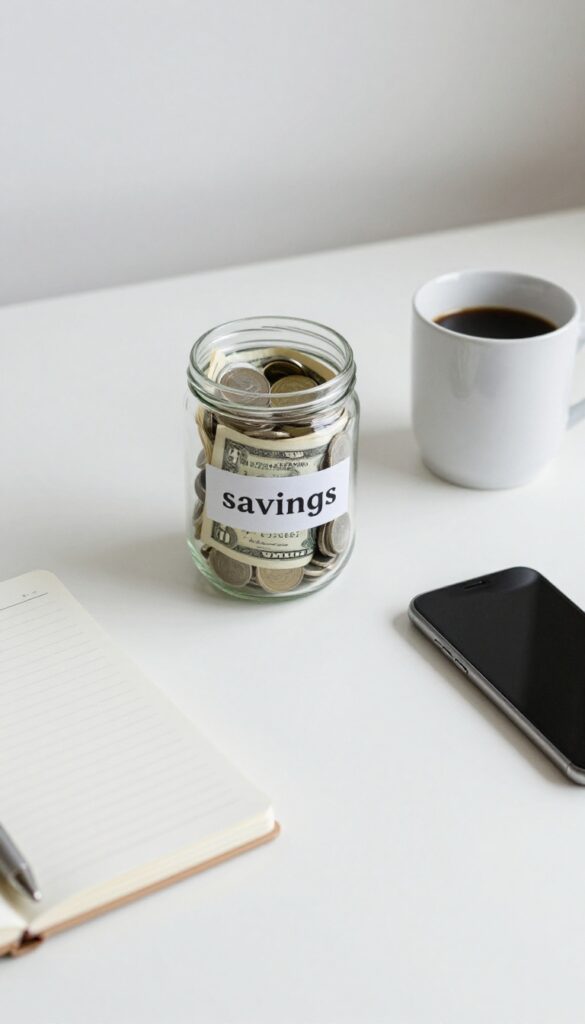
A spending freeze is like hitting the reset button on your wallet. For one week, you commit to buying only the absolute necessities: rent, utilities, groceries, and maybe gas. Everything else—takeout, new clothes, streaming subscriptions, that fancy coffee—gets a hard no.
It sounds tough, but it's eye-opening. You'll quickly see how many purchases are wants, not needs.
Pick a week this month when your calendar is relatively calm. No birthdays, no big events. Tell your friends or family so they can support you.
Then, for seven days, every time you reach for your wallet, ask: “Is this essential? ” If it's not, skip it. At the end, tally up what you didn't spend. That money can go straight to savings or a debt payment.
Plan Your Freeze Week
Choose a week with minimal social obligations. Stock up on groceries and essentials beforehand so you're not tempted to cheat. Set a clear rule: rent, utilities, groceries (basic), gas, and necessary medications are allowed.
Everything else is off-limits.
Find Free Alternatives
Instead of dining out, cook at home using what's in your pantry. Swap streaming for a library book or a walk in the park. You'll discover that free activities can be just as enjoyable—and your wallet will thank you.
Reflect On The Experience
After the freeze, write down what you learned. Which cravings were hardest to resist? Which skipped purchases did you not even miss?
This insight can help you build healthier spending habits long-term.
FAQ
How much money can I realistically save using these rules?
It varies, but many people save $200–$500 per month by applying just a few of these rules consistently.
Do I need to follow all 15 rules at once?
No. Start with one or two that feel easiest. Gradually add more as they become habits.
What if I slip up and overspend?
Don't worry. Just get back on track the next day. Consistency over time matters more than perfection.
Are these rules suitable for someone with a very tight budget?
Absolutely. Many rules focus on reducing waste and avoiding unnecessary spending, which helps any budget.
How long should I try a rule before deciding it works?
Give each rule at least a month. Some habits take time to show results and feel natural.
Conclusion
You don't need to master all 15 rules at once. Pick two that feel doable—like the 24-hour wait or the cash envelope system—and try them for a month.
Small shifts build momentum. Soon, saving becomes second nature instead of a chore.
Free PDF Download
Not Sure Which Side Hustle Fits You Best?
Take the free Side Hustle Matchmaker Quiz and get a simple 7-day starter plan to help you choose a beginner-friendly idea based on your time, skills, comfort level, and goals.
You’ll get this free PDF plus access to the full Marketerna Save More & Earn More PDF Kit. No spam. Unsubscribe anytime.