17 Emergency Fund Ideas for Beginners
Life has a way of throwing curveballs when you least expect them. A car repair, a medical bill, or a sudden job loss can derail your finances fast. That's where an emergency fund comes in—a cash cushion that keeps you afloat when things go wrong.
But if you're just starting out, saving up three to six months of expenses can feel impossible.
The good news? You don't need to do it all at once. Small, consistent steps add up over time.
These 17 ideas are designed for beginners. They're simple, actionable, and won't require you to overhaul your entire lifestyle. Pick one, start today, and watch your safety net grow.

Free PDF Download
Not Sure Which Side Hustle Fits You Best?
Take the free Side Hustle Matchmaker Quiz and get a simple 7-day starter plan to help you choose a beginner-friendly idea based on your time, skills, comfort level, and goals.
You’ll get this free PDF plus access to the full Marketerna Save More & Earn More PDF Kit. No spam. Unsubscribe anytime.
1. Start with a Micro-Savings Challenge
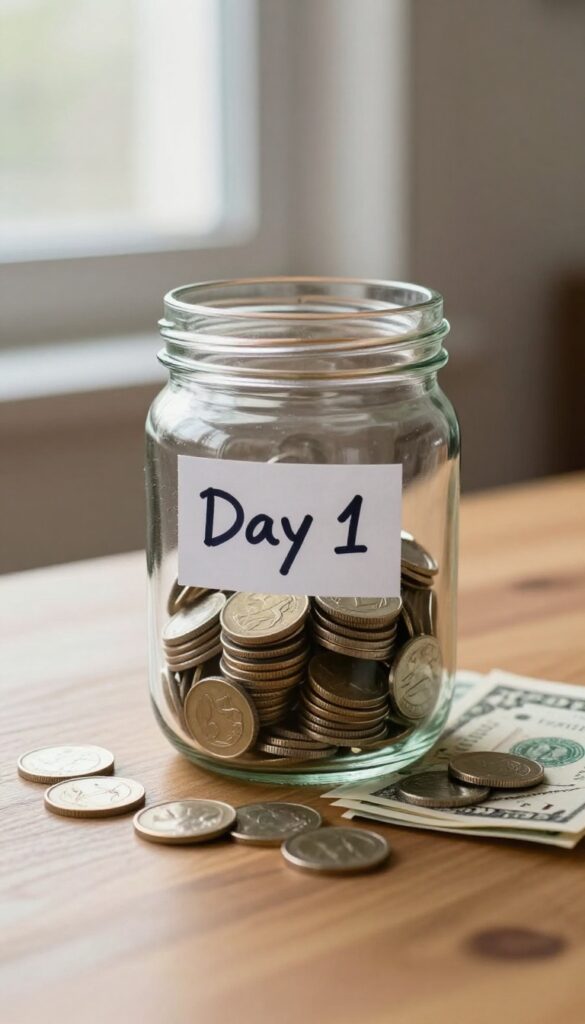
You don't need to save big to start. Try a 30-day challenge where you save $1 on day one, $2 on day two, and so on. By the end, you'll have $465 without feeling the pinch.
It's a fun way to build the habit without overwhelming your budget.
Micro-savings challenges work because they start small. The first few days are easy, and by the time the amounts get larger, you've already built momentum. You can adjust the increments to fit your income—try saving $0.
50 on day one and adding $0. 50 each day, or do a weekly version where you save $5 the first week, $10 the next, and so on.
Why This Works
The gradual increase makes it painless. Your brain doesn't register the small amounts as a loss, so you're less likely to quit. Plus, the daily reminder keeps your savings goal top of mind.
How To Automate It
Set up automatic transfers from checking to savings each day using your bank's app. Or use a round-up app that saves your spare change. No manual effort required.
What To Do After The Challenge
Once you finish, don't stop. Roll the final amount into a dedicated emergency fund account and start a new challenge—maybe saving $2 a day for 30 days. The habit is more important than the number.
2. Automate a Small Weekly Transfer
The easiest way to save is to make it automatic. When you have to remember to transfer money, life gets in the way. But if you set it and forget it, your emergency fund grows without any effort on your part.
Start with a tiny amount—$10 or $20 per week. That's a coffee or a fast-food meal. You won't even notice it leaving your checking account.
Over a year, that's $520 to $1, 040 saved. And because it's automatic, you never have to think about it.
Pick A Day That Works
Schedule the transfer for right after payday. That way, the money moves before you have a chance to spend it. Monday mornings or the first of the month are common choices, but any consistent day works.
Use A Separate Savings Account
Keep your emergency fund in a different account from your daily spending. Out of sight, out of mind. A high-yield savings account is ideal because it earns a little interest and isn't easy to tap impulsively.
Start Small, Increase Later
If $10 a week feels too easy after a month, bump it up to $15 or $20. The key is to start. You can always raise the amount once the habit is locked in.
Free PDF Download
Not Sure Which Side Hustle Fits You Best?
Take the free Side Hustle Matchmaker Quiz and get a simple 7-day starter plan to help you choose a beginner-friendly idea based on your time, skills, comfort level, and goals.
You’ll get this free PDF plus access to the full Marketerna Save More & Earn More PDF Kit. No spam. Unsubscribe anytime.
3. Use a Round-Up App
Ever notice how spare change from a purchase just disappears into thin air? With a round-up app, those few cents get swept into savings automatically. It's a painless way to build an emergency fund without even thinking about it.
Round-up apps link to your debit or credit card and round each purchase up to the nearest dollar. The difference—say $0. 40 on a $4.
60 coffee—gets transferred to a savings or investment account. Over weeks and months, those micro-savings add up to real money, often without you noticing the pinch.
How It Works
Apps like Acorns and Qapital connect to your bank account. Every time you make a purchase, they round up the total and stash the spare change. Some even let you set a multiplier (like 2x or 3x) to accelerate savings.
The money is typically invested in a diversified portfolio, so it has potential to grow beyond what you save.
Best Apps To Try
Acorns is great for beginners—it invests your round-ups automatically. Qapital offers more flexibility with rules like “round up every purchase” or “save $5 every time I skip coffee. ” Chime’s automatic savings feature rounds up purchases and transfers the difference to a high-yield savings account with no fees.
Tips For Success
Start with a small goal—like saving $50 in a month—to see how it feels. Set up a recurring transfer of $5 or $10 weekly to supplement round-ups. Review your progress monthly; you'll be surprised how quickly those coins turn into a real safety net.
4. Sell Unused Items Around Your Home
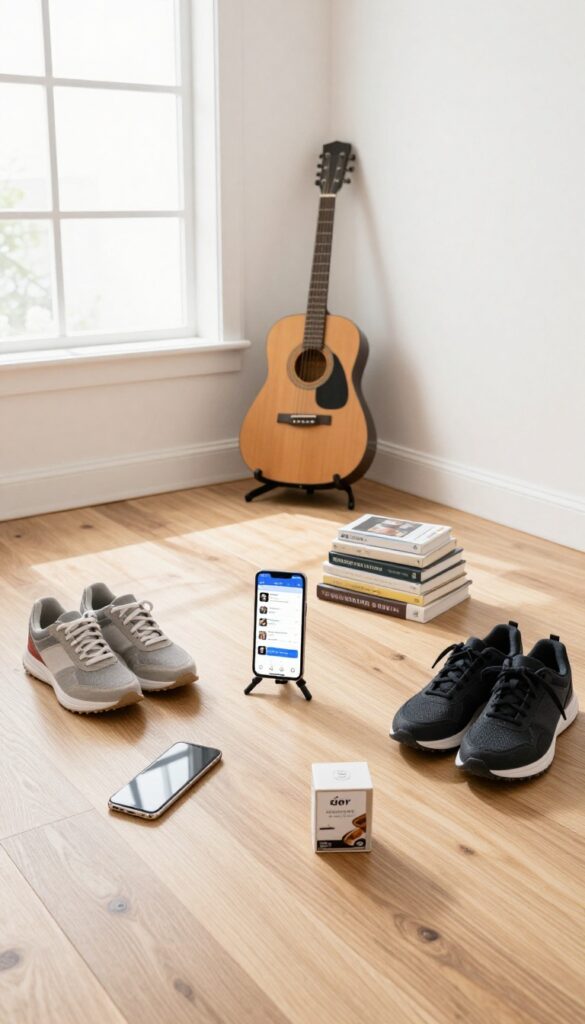
Take a look around your living space. That old smartphone sitting in a drawer, the guitar you never learned to play, or the stack of books you've already read—they're all potential cash. One weekend of decluttering can easily put $100 or more into your emergency fund.
Start by gathering items you no longer use. Electronics, furniture, clothing, and collectibles sell well. Snap clear photos, write honest descriptions, and list them on platforms like Facebook Marketplace, eBay, or a local consignment shop.
Price competitively to move items quickly. Bundle smaller items to increase value. With a little effort, you'll clear clutter and boost your savings.
Where To Sell
Facebook Marketplace is great for local, quick sales with no shipping. eBay works for niche items or collectibles that attract a wider audience. Consignment shops handle the selling for you but take a cut. Choose based on your item type and how fast you want cash.
Pricing For A Quick Sale
Check what similar items are selling for and price yours slightly lower to attract buyers. Be willing to negotiate but set a minimum you'll accept. Remember, the goal is to turn clutter into cash, not to maximize every dollar.
What Sells Best
Electronics, brand-name clothing, video games, and sporting goods tend to sell quickly. Furniture with good bones can fetch decent prices if you clean it up. Books and media sell better in bundles.
Avoid items with obvious damage or missing parts.
Free PDF Download
Not Sure Which Side Hustle Fits You Best?
Take the free Side Hustle Matchmaker Quiz and get a simple 7-day starter plan to help you choose a beginner-friendly idea based on your time, skills, comfort level, and goals.
You’ll get this free PDF plus access to the full Marketerna Save More & Earn More PDF Kit. No spam. Unsubscribe anytime.
5. Take on a One-Time Side Gig
Sometimes the fastest way to grow your emergency fund is to earn extra cash for a specific purpose. A one-time side gig can bring in a few hundred dollars in a weekend without requiring a long-term commitment. Use that money exclusively for your safety net.
Think of a side gig as a short sprint, not a marathon. You pick something you can do quickly, earn the money, and then stop. The key is to channel every dollar into your emergency fund so you see real progress fast.
Dog Walking Or Pet Sitting
Pet owners often need help on short notice. Offer to walk dogs in your neighborhood or watch a friend's pet while they're away. Apps like Rover make it easy to find gigs, but word-of-mouth works too.
A weekend of pet sitting can easily net $100–$200.
Lawn Mowing Or Yard Work
Spring and summer are prime seasons for yard work. Post on a local Facebook group or Nextdoor offering to mow lawns, rake leaves, or pull weeds. Charge a flat rate per yard, and you can make $50–$100 per job.
Two or three yards in a weekend adds up fast.
Deliver Food Or Groceries
Sign up for DoorDash, Uber Eats, or Instacart and work a few hours on a Saturday. You don't need a long-term commitment—just drive when you have free time. A single evening of deliveries can bring in $50–$150, depending on your area and tips.
6. Redirect 'Found Money'
Think of all the cash that lands in your lap without you lifting a finger—birthday checks, tax refunds, work bonuses, even that $20 your grandma slipped into your card. It's tempting to treat yourself, but what if you pretended that money never existed? By funneling every unexpected dollar straight into your emergency fund, you can build a cushion without changing your daily habits.
The beauty of this strategy is that it requires zero budgeting effort. You're not cutting back on anything—you're just redirecting windfalls that would otherwise vanish into everyday spending. Over a year, those small surprises can add up to hundreds or even thousands of dollars.
Set Up An Automatic Redirect
The moment you receive any 'found money, ' move it to your emergency fund before you have a chance to spend it. Better yet, set up your bank account to automatically transfer a percentage of any incoming deposit—like a bonus or tax refund—straight to savings. Out of sight, out of mind.
Examples Of Found Money
Think beyond obvious windfalls. Cash gifts, rebates, credit card rewards, cashback apps, garage sale proceeds, and even forgotten gift cards count. If it's money you didn't expect or didn't plan for, it belongs in your emergency fund.
Treat It Like It Never Happened
The key is mindset. Don't mentally account for that $50 birthday check as 'extra' spending money. Instead, imagine it never landed in your account.
Log in, transfer it, and forget it. Your future self will thank you when an actual emergency pops up.
7. Cut One Small Subscription
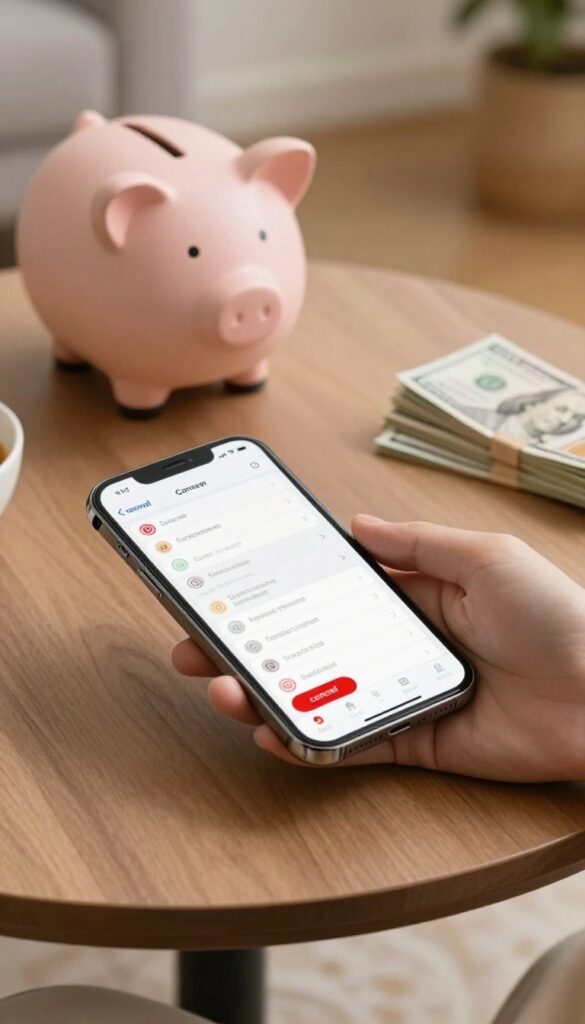
Take a quick scroll through your bank or credit card statements. Chances are, you're paying for at least one subscription you barely use. Maybe it's a streaming service you watched once, a gym membership you've been meaning to cancel, or an app you forgot you signed up for.
Cutting just one of these can free up cash for your emergency fund without changing your daily life.
Identify your least-used subscription and cancel it today. Put that monthly amount—whether it's $10 or $50—directly into your emergency fund. It's a painless way to save because you won't miss what you're not using.
Over a year, that one cut could add up to hundreds of dollars.
How To Find Hidden Subscriptions
Check your bank statements for recurring charges. Look for services like Netflix, Spotify, gym memberships, meal kits, or cloud storage. If you haven't used it in the past month, it's a candidate for cancellation.
Make The Cut Stick
Once you cancel, set up an automatic transfer of the same amount to your savings account each month. That way, the money goes straight to your fund before you can spend it elsewhere.
Reassess Quarterly
Subscriptions can pile up over time. Set a reminder every three months to review your subscriptions and cut any new ones you're not using. This keeps your savings growing without effort.
8. Try a No-Spend Weekend
One weekend a month, challenge yourself to spend zero dollars on anything non-essential. That means no takeout, no shopping, no streaming rentals. Cook meals from what's already in your pantry, watch free movies online, and explore free activities like hiking or visiting a local park.
At the end of the weekend, transfer whatever you would have spent straight into your emergency fund.
Plan Ahead To Avoid Temptation
Before the weekend starts, check your fridge and pantry so you know exactly what meals you can make. Stock up on any essentials you might need (like milk or bread) beforehand. Having a plan makes it easier to say no to impulse buys.
Find Free Fun In Your Area
Look up free community events, library programs, or nature trails near you. Many museums offer free admission days, and parks are always open. Invite friends over for a board game night instead of going out.
Track Your Savings For Motivation
After your no-spend weekend, calculate how much you saved. Write it down or put it in a savings jar. Seeing that number grow can inspire you to try it again next month.
9. Use Cashback and Rebate Apps
You're probably already buying groceries, toiletries, and other essentials. Why not get a little money back on those purchases? Cashback and rebate apps turn your regular spending into small savings that add up over time.
It's not a get-rich-quick scheme, but it's an effortless way to feed your emergency fund without changing your habits.
Apps like Rakuten, Ibotta, and Fetch Rewards give you cashback on everyday purchases. Let those small rewards accumulate and transfer them to your savings.
How It Works
Sign up for an app, then shop through their links or scan your receipts. You earn a percentage back or a flat amount on specific items. Most apps let you cash out via PayPal, gift cards, or direct deposit once you hit a minimum threshold.
Stacking Strategies
Use multiple apps together to maximize returns. For example, check Ibotta for offers before you shop, then pay with a credit card that gives cashback, and finally scan your receipt into Fetch Rewards. That's three layers of savings on one purchase.
Set It And Forget It
The key is to let the rewards pile up without touching them. Set your cashout method to transfer directly to your emergency fund account. Over a few months, you'll be surprised how much those tiny rebates add up.
10. Save Your Spare Change Jar
You've probably got loose coins rattling around in your pockets, purse, or car cupholder right now. That spare change might seem insignificant, but over time it can quietly build into a meaningful emergency fund contribution. The trick is to make it a habit.
Empty your pockets or wallet into a jar each night. When it's full, roll the coins and deposit them. You'd be surprised how much loose change adds up.
Pick A Jar That Works For You
It doesn't have to be fancy—a mason jar, an old coffee can, or even a piggy bank will do. Put it somewhere you'll see it every day, like on your dresser or counter. That visual reminder keeps you consistent.
Empty Your Pockets Daily
Make it part of your bedtime routine. Drop every coin from your pockets or wallet into the jar. Even if you only use cards, check for any coins you get as change and add them.
The key is frequency.
Cash In When Full
Once the jar is full, roll the coins or use a coin-counting machine. Deposit the total directly into your emergency fund. You'll be amazed—many people end up with $50, $100, or more from just spare change.
11. Negotiate a Lower Bill

Your monthly bills aren't set in stone. Many service providers have wiggle room, especially if you've been a loyal customer or if competitors are offering better deals. A quick phone call could free up extra cash each month—cash that can go straight into your emergency fund.
Even a small discount adds up. Knocking $10 off your internet bill saves you $120 a year. That's a nice boost to your savings without changing your lifestyle.
The key is to ask politely and be prepared to mention competitor offers or your long tenure as a customer.
What To Negotiate
Start with the usual suspects: internet, cable, phone, insurance, and even subscription services. For insurance, consider bundling policies or raising deductibles. For internet, ask about promotional rates or loyalty discounts.
Every dollar counts.
How To Ask
Call the customer retention department—they have authority to offer deals. Be friendly but firm. Say something like, 'I love your service, but I'm looking to cut costs.
Can you help me find a better rate? ' If they say no, politely ask to speak to a supervisor or mention you're considering switching.
Make It Automatic
Once you secure a lower rate, set up an automatic transfer of the savings into your emergency fund. That way, you never see the money in your checking account, and your fund grows effortlessly.
12. Cook One Extra Meal at Home Per Week
Eating out is convenient, but it's also one of the fastest ways to drain your wallet. That $15 lunch or $40 dinner adds up fast. By cooking just one extra meal at home each week, you can redirect those savings straight into your emergency fund.
It's a small shift that makes a big difference over time.
Start by picking one meal you normally buy—maybe Friday night pizza or a weekday coffee run. Commit to making a homemade version instead. The money you save, often $10 to $20 per meal, goes right into your fund.
To make it stick, choose a meal you actually enjoy cooking. Keep it simple: a stir-fry, pasta, or tacos. Batch cooking on Sunday can also help.
Prep ingredients ahead so the homemade option is just as easy as ordering in.
Pick Your Swap Meal
Look at your weekly routine and identify one meal you always buy. It could be takeout, a restaurant lunch, or even a pricey coffee. That's your target.
Choose a meal you like and can replicate at home without much fuss.
Make It Easy And Enjoyable
The key is to not make cooking feel like a chore. Pick recipes with few ingredients and short prep time. Put on music or a podcast.
Involve family or roommates. When it's fun, you'll want to keep doing it.
Deposit The Savings Immediately
As soon as you skip that takeout, transfer the money you would have spent into your emergency fund. Even $10 a week adds up to over $500 in a year. Automate it if you can—set up a recurring transfer right after your cooking session.
13. Use a Separate High-Yield Savings Account
Where you keep your emergency fund matters almost as much as how much you save. A standard checking account earns next to nothing, and a savings account at your main bank might not do much better. That's why a high-yield savings account is the perfect home for your safety net.
Open a dedicated high-yield savings account for your emergency fund. The higher interest rate helps your money grow faster, and keeping it separate reduces temptation.
Why High-yield Matters
A high-yield savings account can earn 10 to 20 times more interest than a regular savings account. Over a year, that difference adds up—especially as your fund grows. It's free money for doing nothing extra.
Out Of Sight, Out Of Mind
When your emergency fund is in the same account as your spending money, it's too easy to dip into it for non-emergencies. A separate account adds a mental barrier. You'll think twice before transferring funds out.
Still Easy To Access
Don't worry about locking your money away. Most high-yield savings accounts let you withdraw money quickly—usually within a day or two. That's fast enough for any real emergency.
14. Participate in a Savings Challenge with Friends
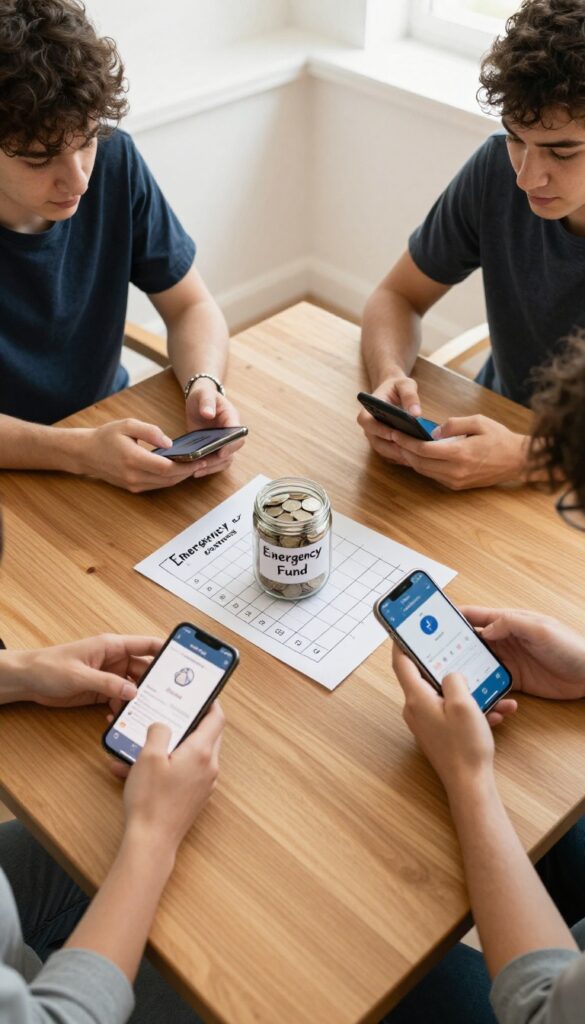
Saving money doesn't have to be a solo grind. When you turn it into a group activity, you get built-in accountability and a little friendly competition. Grab a few friends, set some ground rules, and watch your emergency fund grow together.
Start by agreeing on a weekly savings amount that works for everyone—maybe $10 or $20. Each person puts that amount into their own separate savings account. Then, set a timeframe, like 12 weeks.
Whoever saves consistently for the full period without dipping into their fund wins a small prize (think: a coffee gift card or a homemade treat). The real prize, of course, is the money you've saved.
How To Set Up The Challenge
Use a group chat to track progress. Each week, everyone posts a screenshot of their savings account balance (or just a check-in). You can use a simple spreadsheet to track who's on track.
Keep the rules simple: no withdrawals unless it's a true emergency, and if someone misses a week, they're out of the running for the prize but can still keep saving.
Why It Works
Peer pressure—in a good way. Knowing your friends are watching makes you less likely to skip a week. Plus, it turns saving into a game, which makes it feel less like a chore.
You'll also get ideas and encouragement from each other when motivation dips.
Make It Your Own
Adjust the challenge to fit your group. You can do a monthly savings goal instead of weekly, or increase the amount over time. Some groups add a fun twist: the winner gets to pick a group activity (like a movie night) paid for by everyone else's small contribution.
Just keep it light and supportive.
15. Save Your Raise or Extra Income
Getting a raise or landing a side hustle feels amazing. But before you upgrade your streaming subscriptions or treat yourself to a fancier coffee habit, pause. That extra money is a golden opportunity to turbocharge your emergency fund without feeling a pinch in your daily budget.
When your income goes up, it's tempting to let your spending go up too. That's called lifestyle inflation, and it's the enemy of savings. Instead, commit to saving at least half of any raise or extra income.
Your old lifestyle was perfectly fine before—it can stay that way a little longer while your safety net grows.
Automate The Increase
The easiest way to stick to this plan is to make it automatic. Update your direct deposit so the raise amount goes straight into your emergency fund before you ever see it. Or set up a recurring transfer on payday.
Out of sight, out of mind—and into your savings.
Treat Yourself A Little
Saving the full raise can feel like a punishment. So give yourself permission to spend a small portion—say 10%—on something fun. The rest goes to your fund.
This balance keeps you motivated without derailing your progress.
Side Hustle Windfalls
Irregular income from gigs or freelance work can be harder to track. Create a rule: any side hustle earnings over a certain threshold (like $50) get split—half to savings, half to spending. You'll build your fund while still rewarding your hard work.
16. Use the 'Envelope System' for One Category
Cash is tangible. When you see it leave your hand, it feels different than swiping a card. The envelope system brings that awareness back, but you don't have to use it for everything.
Pick just one flexible category—like dining out or entertainment—and give it a try.
Withdraw the amount you budget for that category each month and put it in an envelope. Once the cash is gone, no more spending in that category until next month. Any leftover cash at month's end gets transferred straight to your emergency fund.
It's a simple way to curb overspending and build your safety net without feeling deprived.
Why It Works
The envelope system creates a physical limit. You can't overspend because there's simply no money left. This forces you to prioritize and makes you think twice before impulse purchases.
Plus, watching leftover cash accumulate is surprisingly motivating.
Which Category To Pick
Start with a category where you tend to overspend or where spending is optional. Dining out, entertainment, or clothing are great choices. Avoid essentials like groceries or gas, as those are harder to cap.
The goal is to trim fat, not starve your budget.
Make It Stick
Label your envelope clearly and keep it somewhere safe but accessible. At the end of the month, count what's left and deposit it into your emergency fund. If you're tempted to cheat, remember: every dollar you save is a step toward financial security.
17. Set a Small, Achievable First Goal
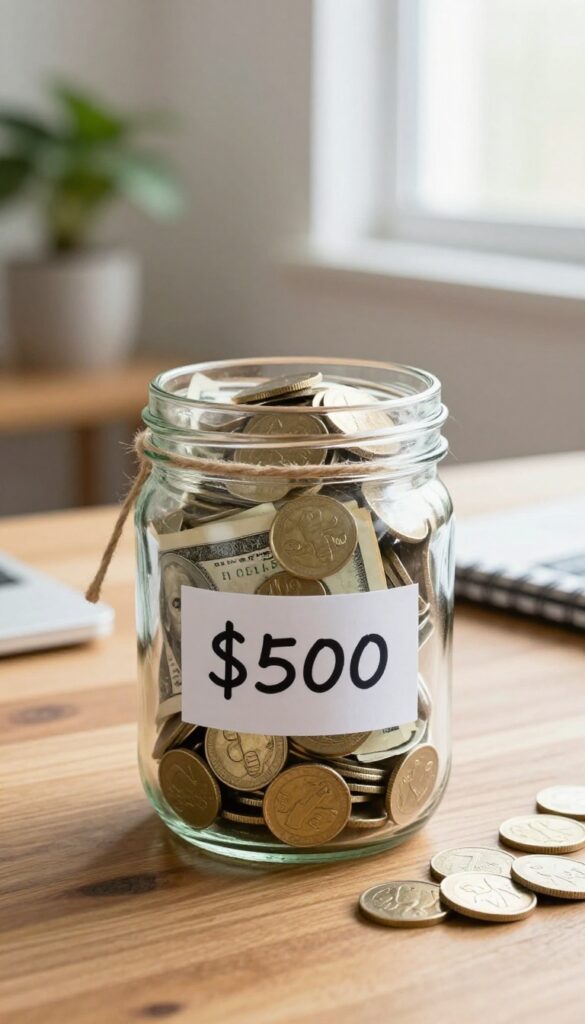
Big savings goals can feel overwhelming when you're just starting out. That's why the smartest move is to aim small first. A $500 or $1, 000 starter emergency fund might not cover every disaster, but it handles most common hiccups—like a flat tire or a minor medical copay—and gives you a real sense of progress.
Once you hit that first milestone, you'll have proof that you can do this. That momentum is powerful. Celebrate the win (maybe a small treat or a fun night in) and then keep going.
The point isn't to stop at $500—it's to build the habit and confidence to save more.
Why $500 Works
Most small emergencies cost less than $500. A car repair, a vet visit, or an urgent home fix often falls in that range. Having that cash ready means you won't need to rely on credit cards or loans, which can spiral into bigger debt.
How To Get There Fast
Look for quick wins: sell unused items, pick up a one-time gig, or redirect any windfalls like tax refunds or bonuses straight into your fund. Even $20 a week adds up to over $1, 000 in a year. Automate a small transfer to a separate savings account so you don't have to think about it.
Celebrate Without Blowing It
Reaching your first goal deserves recognition. Treat yourself to something small—a coffee out, a movie night—but don't drain the fund. The celebration is about acknowledging your effort, not undoing your progress.
FAQ
How much should I save in my emergency fund as a beginner?
Start with a small goal like $500 or $1, 000. That covers most minor emergencies. Once you hit that, aim for one month of expenses, then gradually build to three to six months.
Where should I keep my emergency fund?
Keep it in a separate high-yield savings account. That way it's accessible but not too easy to spend. Avoid investing it, since you need the money to be liquid and safe.
What qualifies as an emergency?
True emergencies are unexpected, necessary expenses like car repairs, medical bills, job loss, or urgent home repairs. Not planned purchases like a vacation or new TV.
How long will it take to build an emergency fund?
It depends on your income and expenses. With consistent small steps, you can save $1, 000 in a few months. The key is to start and stay consistent, not to rush.
Can I use my emergency fund for anything else?
It's best to only use it for true emergencies. If you dip into it for non-emergencies, you lose the safety net. If you do use it, prioritize replenishing it as soon as possible.
Conclusion
Building an emergency fund doesn't require a massive income or drastic sacrifices. Start with just one idea—maybe selling unused items or picking up a small side gig—and let that momentum carry you forward. Over a few months, those small efforts add up to a real safety net.
The key is to begin, even if it's tiny. Your future self will thank you.
Free PDF Download
Not Sure Which Side Hustle Fits You Best?
Take the free Side Hustle Matchmaker Quiz and get a simple 7-day starter plan to help you choose a beginner-friendly idea based on your time, skills, comfort level, and goals.
You’ll get this free PDF plus access to the full Marketerna Save More & Earn More PDF Kit. No spam. Unsubscribe anytime.