15 Small Online Business Ideas You Can Start This Year
Last updated on May 1st, 2026 at 10:59 am
Starting small usually beats waiting for the perfect idea. Most people waste months chasing something “unique” when a simple business with clear demand can make money much faster.
Online business looks crowded until you notice how many people quit early, price badly, or slap together offers nobody actually wants. That leaves a lot of room for someone who stays practical, solves a real problem, and shows up consistently.
I like small online business ideas that do not need a giant budget, a fancy team, or some dramatic founder story. They work best when they match skills people already use in normal life, like writing, organizing, designing, researching, teaching, or spotting good products.
The smart move this year involves choosing a model that fits your time, attention span, and patience level. Some ideas bring quicker cash, while others grow slower but build into something much more solid.
Free PDF Download
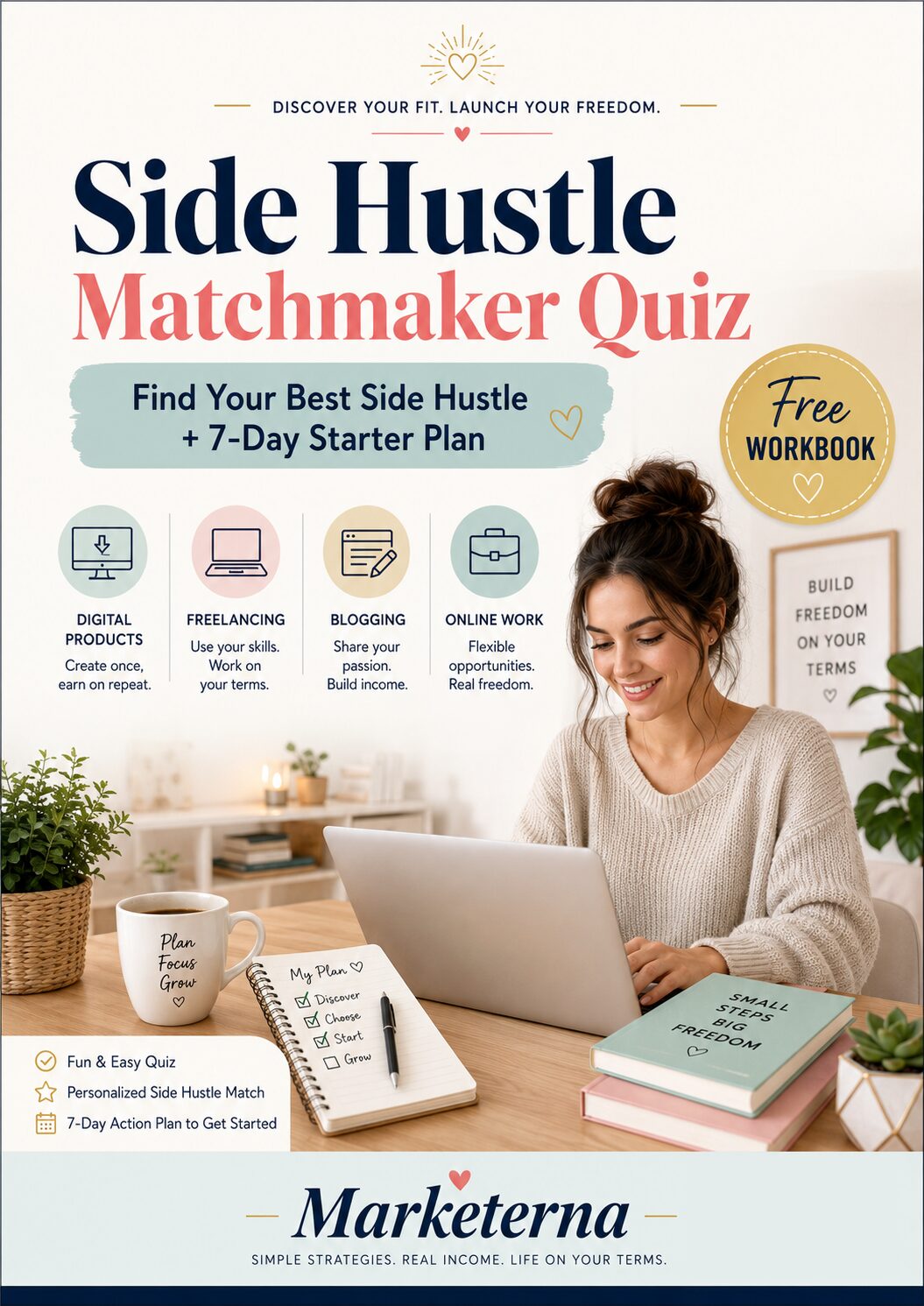
Not Sure Which Side Hustle Fits You Best?
Take the free Side Hustle Matchmaker Quiz and get a simple 7-day starter plan to help you choose a beginner-friendly idea based on your time, skills, comfort level, and goals.
You’ll get this free PDF plus access to the full Marketerna Save More & Earn More PDF Kit. No spam. Unsubscribe anytime.
1. Freelance Writing Business
A lot of businesses need words, and most of them still publish weak content that sounds like a bored robot wrote it during lunch. That gap creates a real chance for anyone who can write clearly, keep things useful, and understand what readers actually care about.
Freelance writing works because companies need blog posts, email sequences, landing pages, product descriptions, and social captions on a regular basis. They do not always want a full-time writer either, which makes freelancers the easier hire.
Why It Works
This business stays one of the easiest online models to start because the setup cost sits close to zero. A laptop, a few writing samples, and the ability to meet deadlines can get the ball rolling faster than most people expect.
I like freelance writing because it teaches marketable skills while bringing in income. Even if you move on later, you keep the research, persuasion, and communication skills, and those help in almost any business.
How to Start It
- Pick one lane first, like blog posts, email copy, product descriptions, or SEO articles, because niche focus makes pitching easier.
- Write three strong sample pieces in that lane, even if no client pays for them yet, so prospects can judge your style fast.
- Create a simple portfolio page and start pitching small businesses, agencies, or startup founders with short, direct messages.
- Charge a beginner-friendly rate at first, but raise prices once you build proof and stop working for peanuts.
Tips & Variations
Tip: spend more time finding businesses with weak content than polishing your logo, because clients buy results and clarity, not cute branding. Variation: if you enjoy strategy more than pure writing, offer content planning along with the writing package.
2. Print-on-Demand Store
A lot of people want an online store but do not want a garage full of boxes, shipping tape, and daily chaos. Print-on-demand fixes that problem by letting you sell products with custom designs while another company handles printing and fulfillment.
This model works well for shirts, mugs, tote bags, notebooks, posters, and niche gifts. It will not make magic money overnight, but it gives beginners a simple way to test product ideas without betting a ton of cash.
Why It Works
Print-on-demand removes the biggest beginner headache, which usually comes from buying inventory too early. That makes it easier to experiment, fail cheaply, and learn what people actually click and buy.
I think this business makes the most sense when the store targets a clear audience instead of random slogans. Shops built around teachers, dog lovers, gardeners, gamers, or book nerds usually feel stronger than stores that sell a little of everything.
How to Start It
- Choose one specific niche with strong identity, because people buy products that reflect their personality or inside jokes.
- Create 10 to 15 simple designs around that niche instead of launching one lonely product and hoping for a miracle.
- Connect a print-on-demand provider to an ecommerce platform and write clean product titles and descriptions with searchable keywords.
- Promote products through Pinterest, short-form video, or niche communities where the audience already hangs out.
Tips & Variations
Tip: keep designs readable and clean, because crowded graphics often look clever on your screen and messy everywhere else. Variation: build around seasonal collections, like teacher gifts, holiday pet products, or wedding party items, to tap into buying spikes.
Free PDF Download
Not Sure Which Side Hustle Fits You Best?
Take the free Side Hustle Matchmaker Quiz and get a simple 7-day starter plan to help you choose a beginner-friendly idea based on your time, skills, comfort level, and goals.
You’ll get this free PDF plus access to the full Marketerna Save More & Earn More PDF Kit. No spam. Unsubscribe anytime.
3. Digital Product Shop
Digital products solve a beautiful little business problem: you create something once, then sell it again without repacking, reshipping, or explaining to your mailbox why it now lives at work. Templates, planners, worksheets, ebooks, checklists, and guides all fit here.
This business makes sense for people who know how to organize information in a useful way. Buyers love shortcuts, and a good digital product can save them hours of work or help them avoid expensive mistakes.
Why It Works
The profit margin looks attractive because delivery costs stay low. Once the product exists, you mostly improve the listing, attract traffic, and refine what customers want next.
I like digital products because they reward clarity more than complexity. A five-page checklist that solves one annoying problem can outsell a giant guide that tries to do everything and ends up doing a lukewarm job.
How to Start It
- Pick one tiny problem people already complain about, like meal planning, resume writing, budgeting, or social media organization.
- Create a simple product that gives a clear outcome fast, because buyers prefer useful over impressive.
- Design it neatly in a beginner-friendly tool and write a product description that focuses on the result, not just the file type.
- Sell through your own site or a marketplace, then collect feedback so the next product gets sharper.
Tips & Variations
Tip: name the product around the result, because “Content Calendar Kit” sounds much stronger than “Editable PDF Bundle.” Variation: turn one core idea into multiple versions for different audiences, like students, moms, freelancers, or small business owners.
4. Virtual Assistant Service
Some business owners do not need another big idea. They need someone who can answer emails, schedule tasks, upload content, organize files, and keep things from turning into a digital junk drawer.
That makes virtual assistant work a smart business idea for organized people who like structure and follow-through. A good VA saves clients time, mental energy, and a lot of low-level stress.
Why It Works
This model works because almost every online business reaches a point where admin tasks eat too much time. Founders often know they should delegate, but they delay it until the mess starts winning.
I respect this business because it rewards reliability more than flashy talent. If you do what you said you would do, on time, without constant hand-holding, clients notice that very quickly.
How to Start It
- Choose a service list that matches what you already do well, such as inbox management, scheduling, blog uploads, research, or customer support.
- Package your help into simple monthly offers so clients know exactly what they get.
- Create a short portfolio or service page that shows your tasks, tools, and response style.
- Reach out to coaches, bloggers, store owners, or agencies that likely need steady operational support.
Tips & Variations
Tip: define boundaries early, because “just one quick task” turns into a full-time circus if you stay vague. Variation: specialize as a Pinterest VA, ecommerce VA, podcast VA, or content VA to charge better rates later.
Free PDF Download
Not Sure Which Side Hustle Fits You Best?
Take the free Side Hustle Matchmaker Quiz and get a simple 7-day starter plan to help you choose a beginner-friendly idea based on your time, skills, comfort level, and goals.
You’ll get this free PDF plus access to the full Marketerna Save More & Earn More PDF Kit. No spam. Unsubscribe anytime.
5. Social Media Management Business
A lot of small businesses know they should post online, but they either run out of ideas, forget for two weeks, or upload the same tired graphic five times and wonder why nothing happens. That creates real demand for someone who can plan content and keep the brand active.
Social media management fits people who enjoy content planning, trend spotting, and audience behavior. It helps if you like structure too, because consistency matters more than random bursts of effort.
Why It Works
Businesses do not just want pretty posts. They want someone who understands goals, writes good captions, plans content around promotions, and keeps the account from looking abandoned.
I think this business works best when you stop pretending every client needs every platform. Most brands need one or two channels done well, not six accounts collecting dust like abandoned gym memberships.
How to Start It
- Pick one or two platforms to specialize in, such as Instagram, Pinterest, TikTok, or LinkedIn.
- Build sample content calendars and mock posts so clients can see your taste and organization style.
- Offer a simple starter package with content planning, caption writing, posting, and light community management.
- Track basic results for every client so you can show growth instead of vague promises.
Tips & Variations
Tip: focus on business goals first, because vanity metrics look cute until nobody buys anything. Variation: offer add-ons like short-form video editing, monthly analytics reports, or hashtag and keyword research.
6. Affiliate Marketing Content Site
Some online businesses make money by selling their own products, while others earn by recommending useful products and services. Affiliate marketing sits in that second camp, and it can work very well when the content feels honest and specific.
This idea involves building a website, blog, newsletter, or social account around a niche and using affiliate links where they genuinely fit. You earn a commission when someone buys through your link, which sounds simple, but it only works well when people trust your judgment.
Why It Works
Affiliate marketing scales nicely because content can keep bringing in clicks long after you publish it. One helpful buying guide or tutorial can earn for months if it ranks well or gets shared consistently.
I like this model when the creator cares about the niche. Recommendation content falls apart fast when every article screams “I have never touched this product in my life, but please buy it anyway.”
How to Start It
- Choose a niche with products people research before buying, like home tools, pet gear, software, beauty products, or kitchen equipment.
- Create useful content around comparisons, beginner guides, how-tos, and problem-solving topics instead of forcing links into random posts.
- Join affiliate programs that fit the niche and pay reliably.
- Keep testing titles, search-friendly keywords, and content formats so the traffic grows over time.
Tips & Variations
Tip: recommend fewer products more clearly, because huge messy lists often confuse buyers instead of helping them. Variation: combine a blog with Pinterest or email marketing to diversify traffic and reduce dependence on one platform.
7. Online Tutoring Business
Knowledge turns into a business faster than people think. If you understand a school subject, language, software tool, test format, or practical skill well enough to teach it clearly, tutoring can become a solid online income stream.
A lot of students and parents pay for help that feels personal, focused, and less intimidating than a giant course platform. Adults also buy tutoring for language learning, job skills, and certification prep.
Why It Works
Tutoring works because people pay for progress, accountability, and explanation, not just information. They can find free information everywhere, but they still struggle when nobody guides them through confusion.
I really like this model for people who explain things patiently. A calm, clear tutor can build repeat business and referrals pretty quickly, especially when the sessions lead to visible improvement.
How to Start It
- Decide what you can teach with confidence, and stay specific instead of claiming you can teach everything under the sun.
- Create a clear offer around age group, topic, session length, and expected outcome.
- Use video calls, shared documents, and simple lesson plans to keep the sessions smooth and easy to follow.
- Ask early students for testimonials so future clients can trust you faster.
Tips & Variations
Tip: focus on one transformation, such as better grades, speaking confidence, or exam prep, because clarity sells. Variation: offer one-on-one tutoring first, then add small group sessions or digital study guides later.
8. Handmade Products Business Through Online Platforms
Some people make genuinely good products but treat the selling part like an annoying side quest. If you create candles, jewelry, soap, artwork, knitted items, party decor, or personalized gifts, online platforms can turn that hobby into a real business.
This model works best when the product has character and the presentation feels polished. Handmade buyers often care about story, quality, and detail, so strong photos and clean listings matter a lot.
Why It Works
Handmade products stand out because they feel personal in a world full of generic mass-produced stuff. Buyers often pay more for that extra care, especially when the product suits gifting or home use.
I think this business gets dismissed too often as “just crafting,” which feels silly. Plenty of handmade shops pull in serious sales because the owners understand quality, photography, keywords, and seasonal demand.
How to Start It
- Choose a product you can make consistently without turning every order into a time-consuming headache.
- Price for materials, labor, packaging, and platform fees from day one, because underpricing kills momentum fast.
- Take clean, bright product photos that show texture, size, and real use.
- Launch with a small collection so the shop looks intentional instead of half-awake.
Tips & Variations
Tip: create products around occasions like birthdays, weddings, holidays, or housewarmings, because gift-focused demand converts well. Variation: offer personalization, bundles, or limited seasonal collections to encourage repeat buying.
9. Ebook or Mini Guide Publishing
Some topics do not need a giant course or a complicated membership. They just need a sharp, useful guide that solves one problem clearly and gets to the point without rambling for fifty pages.
That makes ebook publishing a smart option for people who know how to explain a process, system, or niche topic in plain language. Readers buy convenience, structure, and saved time, not fluff.
Why It Works
This business works because people want answers packaged in a neat, easy format. A useful mini guide can feel more approachable than a huge course and more valuable than scattered free articles.
I like ebooks when they stay focused. The strongest ones usually tackle a narrow result, like beginner budgeting, dog treat recipes, resume upgrades, apartment organization, or first-time freelancing.
How to Start It
- Pick one problem you can break into simple steps and support with examples.
- Outline the guide around action, not theory, so readers feel momentum quickly.
- Write in a clean conversational style and format the pages so they feel easy to skim.
- Sell it on your site or through a marketplace, then use customer questions to shape the next title.
Tips & Variations
Tip: keep the promise specific, because “Start Freelancing in 14 Days” lands better than “Everything About Freelancing.” Variation: turn one guide into an audio version, workbook, or printable checklist bundle.
10. Website Design for Small Businesses
A shocking number of small business websites still look unfinished, confusing, or weirdly proud of being hard to use. That gives web designers a steady opportunity, especially if they focus on simple, clean sites for local businesses and solo brands.
This idea works even for newer designers who use templates and website builders well. Clients usually want a site that looks credible, loads clearly, and helps people book, buy, or contact them without confusion.
Why It Works
Small businesses care about first impressions, and a messy website hurts trust fast. A clear site can make a tiny business look much more established, which makes the service valuable even before fancy extras enter the picture.
I like this business because clients often pay more for clarity than complexity. They do not always need custom code and dramatic bells and whistles; they need a site that works and does not look like it escaped from 2013.
How to Start It
- Learn one platform deeply, such as WordPress, Shopify, Squarespace, or Wix, instead of dabbling in all of them at once.
- Build a few sample sites for imaginary brands or friends so you can show real design ability.
- Offer fixed packages for homepages, service pages, contact pages, and basic setup.
- Position yourself around outcomes like better credibility, easier bookings, or improved customer flow.
Tips & Variations
Tip: include light copy help, because many clients freeze when they need to write their own pages. Variation: add monthly website care plans for updates, backups, and minor edits to create recurring income.
11. Search Engine Optimization Service
Businesses want traffic, but most of them still treat SEO like a mysterious beast that lives in a cave and demands offerings of random keywords. In reality, good SEO comes down to relevance, structure, useful content, and smart optimization.
That makes SEO services a strong online business for people who enjoy research, problem-solving, and long-term growth. Clients pay well when you help them rank for keywords that bring actual leads or sales.
Why It Works
SEO works because search traffic often arrives with intent. Someone who searches for a solution already cares about the problem, which makes that traffic more valuable than random scrolling on many platforms.
I think this business rewards patience and clarity. It is not flashy, but when you help a site improve rankings and bring in better visitors, the results can look very convincing.
How to Start It
- Learn the core areas first, including keyword research, on-page SEO, technical basics, internal linking, and content structure.
- Practice on your own site or a test site so you can see what changes affect real pages.
- Offer beginner-friendly services like content audits, keyword maps, or on-page optimization before jumping into complex technical work.
- Report results in simple business terms, because clients care about traffic, leads, and sales more than jargon.
Tips & Variations
Tip: choose a niche, such as local SEO, blog SEO, ecommerce SEO, or Pinterest SEO, because specialization builds trust faster. Variation: pair SEO with content writing so clients can hire one person for strategy and execution.
12. Online Course Business
Some skills need more depth than a quick guide can offer. That is where online courses shine, especially when the topic includes a process people want to learn step by step.
Courses work best when they help students reach a practical outcome, not just collect information they never use. The strongest course creators teach clearly, trim the fluff, and guide students through action.
Why It Works
This business works because people often pay for structured learning when free content feels scattered or overwhelming. A good course saves time and helps students avoid wandering through ten conflicting videos and three mediocre blog posts.
I like online courses when the creator actually respects the learner’s time. Nobody needs eight hours of filler just because course platforms make long videos look serious.
How to Start It
- Pick a topic where people already seek help and where you can teach through a repeatable framework.
- Outline the course around milestones so students feel progress from one lesson to the next.
- Record simple, clear lessons with good audio and direct examples instead of chasing cinematic perfection.
- Sell through webinars, email marketing, content, or social media where your audience already knows your expertise.
Tips & Variations
Tip: validate the idea first with coaching, tutoring, or a paid workshop before building the full course. Variation: add a workbook, private community, or live Q and A sessions to increase value.
13. Subscription Newsletter
A lot of people crave curated information because the internet keeps dumping endless noise on their heads every day. A paid newsletter can work very well when it delivers insights, ideas, recommendations, or summaries that save readers time.
This model suits people who research well, write consistently, and understand a niche audience. Business, media, career growth, investing, fashion, parenting, and hobby niches can all support strong newsletters.
Why It Works
Readers pay when the content feels useful, specific, and trustworthy. They do not want more random content; they want someone to filter the chaos and hand them something worth reading.
I think newsletters feel underrated because they look simple from the outside. Behind the scenes, a good one builds strong audience loyalty, which can lead to subscription income, sponsorships, and product sales.
How to Start It
- Choose a niche where people value updates, analysis, or curated picks enough to pay for convenience.
- Start with a free version so you can test tone, content style, and audience interest.
- Write on a clear schedule and make every edition feel distinct instead of generic.
- Add a paid tier once the newsletter proves its usefulness and readers trust your taste.
Tips & Variations
Tip: make the promise concrete, like weekly deal breakdowns or five useful business ideas, because vagueness does not inspire subscriptions. Variation: combine the newsletter with a private resource library or member-only templates.
14. Stock Photo or Digital Asset Business
Businesses, bloggers, creators, and marketers always need visuals, and many of them want something better than the same tired images everyone else uses. That creates space for selling stock photos, mockups, icons, templates, and design assets online.
This idea works especially well for photographers, designers, or organized creators who enjoy building reusable libraries. You create assets once, then earn from repeated downloads over time.
Why It Works
Digital assets solve a recurring need for content creators and brands. When the files save buyers time and help them look more polished, the value becomes pretty obvious.
I like this business because it mixes creativity with scale. It also rewards people who notice visual gaps in the market, like better styled product mockups, niche business photos, or clean social media templates.
How to Start It
- Choose a category you can create consistently, such as stock photography, presentation templates, mockups, or icon packs.
- Study marketplaces to find demand gaps, because copying oversaturated styles rarely leads anywhere exciting.
- Organize files neatly with searchable titles, tags, and previews so buyers can find them quickly.
- Upload in batches and keep improving based on which asset types sell best.
Tips & Variations
Tip: create for specific industries, because niche assets often perform better than generic bundles. Variation: sell packs on marketplaces while also building your own site for higher margins later.
15. Ecommerce Product Research and Sourcing Service
A lot of sellers want to launch products online but hate the messy research side of the process. They struggle to compare suppliers, assess trends, review competitors, and figure out which product ideas deserve attention.
That opens the door for a service business built around product research and sourcing support. If you enjoy spreadsheets, market research, and spotting demand patterns, this one can turn into a very practical business.
Why It Works
Sellers save time and avoid bad decisions when someone helps them validate products before they spend money. Research may sound boring to some people, but in ecommerce it can save a business from launching something nobody wants.
I think this business has strong potential because good product judgment matters more than hype. Plenty of people rush into trendy ideas without checking margins, competition, shipping issues, or demand consistency, and that usually ends badly.
How to Start It
- Learn how to evaluate product demand, competition, pricing, margins, supplier quality, and shipping practicality.
- Create a simple offer that includes market research, competitor review, and supplier shortlist support.
- Build sample reports so potential clients can see how you think and what kind of clarity you provide.
- Target new ecommerce sellers, Amazon sellers, or Shopify store owners who want help choosing smarter products.
Tips & Variations
Tip: present your research in plain language, because clients need decisions they can act on, not a giant pile of confusing data. Variation: expand into full product validation packages, including branding suggestions and launch positioning.
Things to Consider Before Picking One
Speed matters, but fit matters more. A business that looks exciting on paper can turn into daily misery if it clashes with how you work, what you enjoy, or how much time you can realistically give it.
Start by asking whether you want quick service income or slower long-term leverage. Services like writing, SEO, design, tutoring, and VA work often bring in money sooner, while digital products, affiliate content, newsletters, and courses usually take longer to mature.
You should also look at your current skills without pretending you need to become a totally different person first. The best starter business often grows from something you already do well, even if you have not treated it like a business yet.
Another big factor involves attention span. Some people love client interaction and deadlines, while others prefer building products quietly in the background and selling them through content or platforms.
Money needs honesty too. If you need income soon, start with a service business and use that cash to fund slower assets later, because bills do not care about “brand vision” when the rent shows up.
I usually think the smartest move involves starting with one business model and one clear offer. Too many beginners mix five ideas together, get overwhelmed, and then decide online business “doesn’t work,” which feels a bit unfair when the plan never had a pulse.
FAQ
Which online business idea works best for beginners?
Service businesses usually work best for beginners because they need less money and give faster feedback. Freelance writing, virtual assistant work, and tutoring all make strong starting points.
Do I need a website right away?
No, not always. You can start with a simple portfolio page, marketplace profile, or social presence, then build a full website once the business gains traction.
How much money do I need to start?
Many of these ideas need very little money if you already own a laptop and internet access. The bigger investment usually comes from time, consistency, and learning how to sell clearly.
How long does it take to make money?
That depends on the model and how aggressively you market it. Services can earn within weeks, while content-based or product-based businesses often need more patience.
Should I choose something trendy or something practical?
Practical wins most of the time. Trendy ideas can help, but steady demand and clear value usually create a stronger business than chasing whatever feels hot for five minutes.
Can I start part-time?
Yes, and a lot of people should. A part-time start lowers pressure and gives you room to test the idea before you rely on it for income.
What is the biggest mistake beginners make?
Most beginners either try to do too much or wait too long to sell. Picking one offer, one audience, and one simple path works far better than endless planning.
Final Thoughts
The best small online business idea usually looks less glamorous than people expect. It solves a problem, fits your strengths, and gives you room to improve as you go.
Pick one idea, keep the setup simple, and focus on helping real people in a clear way. That approach does not look flashy, but it works.
Free PDF Download
Not Sure Which Side Hustle Fits You Best?
Take the free Side Hustle Matchmaker Quiz and get a simple 7-day starter plan to help you choose a beginner-friendly idea based on your time, skills, comfort level, and goals.
You’ll get this free PDF plus access to the full Marketerna Save More & Earn More PDF Kit. No spam. Unsubscribe anytime.