21 Digital Side Hustle Ideas for Beginners
Starting a side hustle doesn't have to mean spending a ton of money or quitting your day job. Plenty of digital opportunities let you begin with just a laptop and an internet connection. The key is picking something that fits your skills and schedule.
These 21 ideas are beginner-friendly, budget-aware, and designed to help you earn real income without the hype. Some take just a few hours a week; others can grow into a full-time gig.
Whether you want to freelance, create content, or sell digital products, there's something here for you. Let's dive into the list.

Free PDF Download
Not Sure Which Side Hustle Fits You Best?
Take the free Side Hustle Matchmaker Quiz and get a simple 7-day starter plan to help you choose a beginner-friendly idea based on your time, skills, comfort level, and goals.
You’ll get this free PDF plus access to the full Marketerna Save More & Earn More PDF Kit. No spam. Unsubscribe anytime.
1. Freelance Writing

Freelance writing is one of the most accessible side hustles. You don't need a degree or years of experience—just the ability to write clear, engaging content. Businesses of all sizes need blog posts, website copy, email newsletters, and social media content.
If you can string sentences together, you can get started today.
Many beginners start on platforms like Upwork, Fiverr, or ProBlogger. These sites connect you with clients looking for writers. Another route is pitching directly to small websites or local businesses that need content but don't have in-house writers.
Over time, you can raise your rates and specialize in a niche like tech, health, or finance.
Where To Find Your First Clients
Upwork and Fiverr are great for beginners because they have built-in client bases. Create a profile that highlights your writing samples, even if they're from a personal blog or school projects. Also try ProBlogger's job board and LinkedIn—many companies post writing gigs there.
How To Set Your Rates
When starting out, charge per word or per project. A common beginner rate is $0. 05–$0.
10 per word. For a 500-word blog post, that's $25–$50. As you build a portfolio and get testimonials, gradually increase your rates.
Don't undersell yourself—but be realistic for your experience level.
Tips For Long-term Success
Focus on delivering quality work on time. Build relationships with clients so they come back. Also consider starting a niche blog or Medium account to showcase your expertise.
This can attract higher-paying clients who see you as an authority.
2. Virtual Assistant
Entrepreneurs and small business owners are constantly drowning in emails, scheduling conflicts, and admin chaos. That's where you come in. As a virtual assistant, you handle the behind-the-scenes tasks that keep their operations running smoothly.
No fancy degree or prior experience required—just a knack for staying organized and reliable.
What You'll Actually Do
Day-to-day tasks vary by client, but common ones include managing email inboxes, setting up appointments, booking travel, data entry, and light social media scheduling. You might also help with research or customer follow-ups. It's all about taking things off their plate so they can focus on growing their business.
Skills You Already Have
You don't need to be a tech wizard. Basic computer literacy, a reliable internet connection, and familiarity with tools like Google Calendar, Gmail, and Zoom are enough to start. If you're good at communicating clearly and staying on top of deadlines, you're already halfway there.
How To Land Your First Client
Start by offering your services to friends who run small businesses or posting in local Facebook groups. You can also create a simple profile on platforms like Upwork or Belay. Many beginners charge $15–$25 per hour.
As you gain experience and reviews, you can raise your rates.
Free PDF Download
Not Sure Which Side Hustle Fits You Best?
Take the free Side Hustle Matchmaker Quiz and get a simple 7-day starter plan to help you choose a beginner-friendly idea based on your time, skills, comfort level, and goals.
You’ll get this free PDF plus access to the full Marketerna Save More & Earn More PDF Kit. No spam. Unsubscribe anytime.
3. Social Media Management
Businesses know they need to be on social media, but most owners don't have time to post consistently. That's where you come in. You can manage their Instagram, TikTok, or LinkedIn accounts for a monthly fee.
It's a skill you can learn quickly, and you don't need a huge following to start.
Social media management is all about creating content, scheduling posts, engaging with followers, and tracking growth. You'll help brands stay active and build community. The best part?
You can start with a friend's account to build a portfolio, then charge more as you gain experience.
Start Small With A Friend
Offer to manage a friend's small business or personal brand account for free for a month. Use that time to learn the platform's analytics, experiment with post types, and gather real results. Before you know it, you'll have case studies to show potential clients.
Tools Of The Trade
You don't need fancy software. Canva for graphics, Later or Buffer for scheduling, and the platform's own analytics are enough to start. As you grow, you can invest in more advanced tools, but keep it simple at first.
Pricing Your Services
Beginners often charge $300–$600 per month for managing one platform. Include a set number of posts, stories, and engagement time. Once you have a few clients, you can raise rates or offer packages for multiple platforms.
4. Online Tutoring
If you've got a subject you know inside out, online tutoring is a straightforward way to turn that knowledge into cash. Platforms like Chegg, Wyzant, and TutorMe handle the student matching and payment processing, so you can focus on teaching. No need to be a certified teacher—just prove your expertise and good communication skills.
You set your own hours, work from anywhere, and typically get paid per session or per answer. Subjects range from math and science to languages and test prep. The demand is steady, especially during school seasons and exam periods.
Getting Started
Sign up on a tutoring platform, create a profile highlighting your strengths, and complete any required verification. Most platforms ask for a brief application and may have a simple subject test. Once approved, you can start accepting students immediately.
Maximizing Your Earnings
Focus on high-demand subjects like calculus, physics, or SAT prep, which command higher rates. Build a strong rating by being responsive and prepared. Over time, you can raise your rates and even take on private clients outside the platform.
Tools You'll Need
A reliable internet connection, a decent webcam, and a quiet space are essential. Use a tablet with a stylus for math or diagrams, or just share your screen with slides. Zoom, Google Meet, or the platform's built-in video tool all work fine.
Free PDF Download
Not Sure Which Side Hustle Fits You Best?
Take the free Side Hustle Matchmaker Quiz and get a simple 7-day starter plan to help you choose a beginner-friendly idea based on your time, skills, comfort level, and goals.
You’ll get this free PDF plus access to the full Marketerna Save More & Earn More PDF Kit. No spam. Unsubscribe anytime.
5. Print on Demand
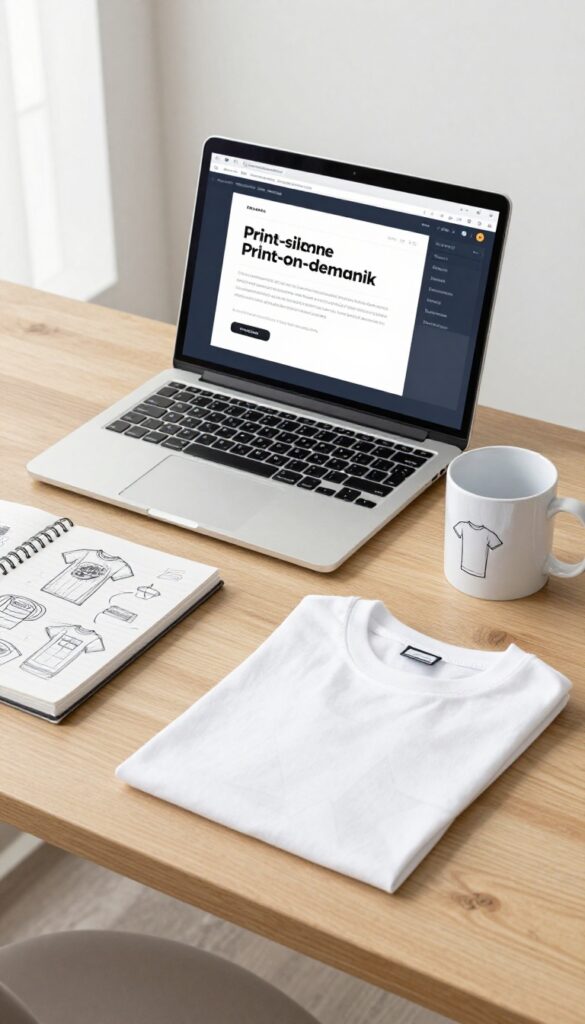
Print on demand lets you sell custom-designed products without ever touching inventory. You create the artwork, upload it to a platform, and they handle printing, packing, and shipping. It’s a low-risk way to test your design skills and earn passive income.
Where To Start
Sign up for Printful or Redbubble. Both are beginner-friendly and free to join. Printful integrates with your own online store, while Redbubble acts as a marketplace where people discover your designs.
Design Tips For Beginners
You don’t need to be a pro artist. Use Canva or Adobe Express to create simple, clean graphics. Focus on niche topics like funny quotes, pet lovers, or hobbies.
Less competition means better chances of sales.
What Products To Sell
Start with t-shirts, mugs, and phone cases—these are the most popular and easiest to design for. As you get comfortable, expand to hoodies, tote bags, or wall art. Each product has its own size and color guidelines, so follow them closely.
6. Sell Digital Products
Once you create a digital product, it can sell on autopilot while you sleep. Printables, planners, templates, and ebooks are all low-cost to produce and high-margin to sell. Platforms like Etsy and Gumroad handle the hosting and payment processing, so you just need to focus on making something people actually want.
The beauty of digital products is that you make them once and sell them forever. No inventory, no shipping, no restocking fees. And because the barrier to entry is so low, you can test different niches without much risk.
What Sells Well
Planners, budgeting sheets, meal planners, resume templates, and social media graphics are consistent bestsellers. Look for pain points in your own life—if you struggled to find a good weekly meal planner, chances are others did too.
Where To Sell
Etsy is the go-to for printables and planners, with built-in buyer traffic. Gumroad is better for templates, ebooks, and software, and it lets you build an email list. You can also sell directly through your own website using tools like Payhip or SendOwl.
How To Get Started
Pick one product type and niche. Create a simple version using Canva or Google Docs. List it with clear photos and a compelling description.
Price it competitively at first (say $5–$15) to gather reviews, then raise prices as you build credibility.
7. Affiliate Marketing
Affiliate marketing is one of those rare side hustles where you don't need to create your own product or hold inventory. Instead, you earn a commission by promoting other people's stuff—things you already use and love. It's perfect if you enjoy sharing recommendations and have a decent online presence, even if it's just a small blog or a few hundred followers.
The beauty of affiliate marketing is that once you set up your links, they can keep earning money while you sleep. You just need to pick a niche you're genuinely interested in, join affiliate programs, and share your honest opinions. Over time, you can build a steady income stream without the pressure of customer support or product creation.
Choose Your Niche
Start with something you're passionate about—fitness, tech gadgets, beauty, or even pet products. The more you know and care about the topic, the easier it is to create authentic content that resonates. You don't need to be an expert, just a real person with real opinions.
Join Affiliate Programs
Sign up for networks like Amazon Associates, ShareASale, or CJ Affiliate. Many companies also have their own programs. Look for products with decent commission rates (5-30% is common) and a good reputation.
Always disclose your affiliate links—it builds trust and is legally required.
Promote Strategically
Share your links naturally within blog posts, YouTube videos, or social media captions. Don't just spam links—write a helpful review, create a tutorial, or make a comparison. When your audience feels you're genuinely helping, they're more likely to click and buy.
8. Transcription
If you can type fast and accurately, transcription is a low-barrier way to earn money from home. You listen to audio or video files and convert them into text. Companies like Rev, Scribie, and GoTranscript pay per minute of audio, so the faster you type, the more you earn.
No experience is needed, and you can work whenever you want.
What You’ll Need
A good pair of headphones, a quiet space, and decent typing speed (60+ WPM helps). Most platforms require a short grammar test and a sample transcription. Once approved, you can start picking up files immediately.
How Much You Can Earn
Pay ranges from $0. 25 to $1. 50 per audio minute, depending on the difficulty and turnaround time.
Beginners typically earn $10–$20 per hour, but experienced transcribers can make more. Some sites offer bonuses for accuracy and speed.
Tips To Get Started
Practice with free audio clips online to build speed. Use a foot pedal (about $30) to control playback hands-free. Focus on clear audio files at first—avoid heavy accents or poor recording quality.
Consistency matters: the more you work, the faster you get.
9. Data Entry

Data entry might sound boring, but it's one of the easiest ways to start earning online with zero experience. Companies always need people to input information into spreadsheets, databases, or CRM systems. The work is straightforward, and you can often set your own hours.
Data entry is all about accuracy and speed. You'll typically receive raw data—like scanned documents, audio files, or online forms—and transfer it into a digital format. Most jobs pay per hour or per task, and you can find them on job boards like Indeed, FlexJobs, or Upwork.
Start with simple typing tests to build confidence, then apply to entry-level listings.
Where To Find Legit Gigs
Stick with reputable platforms. Indeed and FlexJobs have dedicated remote data entry sections. Upwork and Fiverr also list short-term projects.
Avoid anything that asks you to pay upfront for a 'starter kit'—real jobs never require a fee.
Skills You Actually Need
Fast, accurate typing is the main requirement. Aim for at least 40 words per minute. Basic spreadsheet knowledge (Excel or Google Sheets) helps.
Attention to detail is non-negotiable—one typo can mess up an entire database.
How Much You Can Earn
Rates vary widely. Beginners might earn $10–$15 per hour, while experienced data entry specialists can make $20+. Some gigs pay per task, like $0.
10 per record. It's not a get-rich-quick scheme, but it's steady and low-stress.
10. Online Surveys & Testing
Not every side hustle needs to bring in thousands right away. Sometimes you just want something you can do while watching TV or waiting in line. Online surveys and website testing fit that bill perfectly.
They won't replace your day job, but they can cover a streaming subscription or a nice dinner out.
Companies want to know what real people think about their products, ads, and websites. They pay for that feedback—either in cash or gift cards. The barrier to entry is basically zero: sign up, fill out your profile, and start earning.
Most survey sites let you cash out once you hit a small threshold, like $5 or $10. Website testing usually pays a bit more per session, around $5 to $15 for 10–20 minutes of work. It's not glamorous, but it's honest, flexible, and surprisingly easy.
Which Sites Actually Pay?
Stick with well-known platforms like Swagbucks, Survey Junkie, and InboxDollars for surveys. For website testing, try UserTesting or Userlytics. Avoid sites that ask for a fee to join—legitimate ones are always free.
How To Maximize Your Time
Set up profiles on multiple sites to get more survey invitations. Fill out your personal details completely so you qualify for higher-paying surveys. Check your email or the site dashboard daily—some studies fill up fast.
What About Taxes?
If you earn more than $600 from a single platform in a year, they'll send you a 1099 form. Keep track of your earnings and set aside a little for tax time. For smaller amounts, it's usually considered "hobby income" and may not need reporting, but check local rules.
11. Sell Stock Photos
Got a decent camera or even a modern smartphone? You can turn your eye for composition into a steady passive income stream. Stock photography sites pay you each time someone downloads your image, meaning one good photo can earn money for years.
What Sells Best
Think beyond generic sunsets. Business scenes, remote workers, diverse people, food, and empty urban landscapes are in high demand. Authentic, natural-looking photos outperform staged ones.
Check the top sellers on any platform for inspiration.
Getting Started
Sign up for free on Shutterstock, Adobe Stock, or iStock. Upload high-resolution, well-composed images. Use relevant keywords and categories so buyers can find you.
Most platforms have a review process, so follow their technical guidelines carefully.
Earning Potential
Each download pays a small royalty, often $0. 25 to $2. 00, depending on the license and platform.
It adds up as your portfolio grows. Some contributors earn hundreds per month from thousands of images. Consistency and quality are key.
12. Dropshipping
Dropshipping lets you run an online store without ever touching inventory. You list products, a customer places an order, and your supplier ships it directly to them. It's a low-risk way to test e-commerce without buying stock upfront.
The beauty of dropshipping is that you can start with almost nothing. Platforms like Shopify make it easy to build a store, and apps like Oberlo connect you with suppliers who handle fulfillment. Your main job is marketing and customer service.
Pick A Niche That Sells
Don't try to sell everything. Focus on a specific niche—like pet accessories, fitness gear, or home office gadgets. A narrow niche makes it easier to target the right audience and stand out from generic stores.
Find Reliable Suppliers
Your reputation depends on shipping times and product quality. Use Oberlo or AliExpress to find suppliers with good reviews. Order samples yourself to check quality before listing anything.
Market Your Store Smartly
Social media ads, especially on Instagram and Facebook, work well for dropshipping. Create engaging content that shows your products in action. Influencer partnerships can also drive traffic without a huge budget.
13. Blogging

Blogging is one of the most flexible side hustles out there. You can write about anything you're passionate about—cooking, travel, personal finance, or even your cat. The best part?
You don't need to be a professional writer to start. Just pick a niche, set up a simple site, and start sharing your thoughts. It takes time to build an audience, but once you do, the income potential is real.
Monetization comes in several forms. Ads pay based on traffic, affiliate links earn commissions when readers buy products you recommend, and digital products like ebooks or courses let you sell your expertise directly. The key is consistency—publish regularly, promote on social media, and engage with your readers.
Blogging won't make you rich overnight, but it can grow into a solid income stream.
Choosing Your Niche
Your blog's topic should be something you genuinely enjoy and know a bit about. Passion keeps you going when growth is slow. Also consider whether the niche has monetization potential—topics like personal finance, health, and tech tend to attract advertisers and affiliate programs.
Getting Started For Free
You can launch a blog with zero upfront cost using platforms like WordPress. com or Medium. If you want full control, a self-hosted WordPress site costs about $3–$10 per month for hosting and a domain. Start simple—focus on writing great content before spending on fancy themes or plugins.
Growing Your Audience
Promote each post on social media, join niche communities on Reddit or Facebook, and network with other bloggers. SEO is your best friend—learn basic keyword research to help people find your articles through Google. Building an email list early lets you stay connected with readers.
14. YouTube Channel
Ever thought about sharing what you love on video? Starting a YouTube channel is one of the most accessible side hustles today. You don't need a fancy setup—just a topic you're passionate about and a willingness to hit record.
From unboxings to tutorials, there's an audience for almost any niche.
Monetizing your channel comes once you hit certain milestones: 1, 000 subscribers and 4, 000 watch hours. Then you can apply for the YouTube Partner Program and earn ad revenue. But even before that, you can make money through affiliate links in your description or sponsored spots once your audience grows.
Consistency and authentic content are your best friends here.
Find Your Niche
Think about what you already enjoy doing or talking about. It could be gaming, cooking, tech reviews, or even book recommendations. The more specific, the better.
A focused channel attracts a loyal audience faster than a general one.
Start Small, Improve Over Time
Don't stress about perfect equipment. A smartphone and decent lighting (natural light works fine) are enough to begin. Focus on clear audio and good lighting first.
Upgrade gear only when your channel starts earning.
Monetize Smartly
Besides ads, explore affiliate marketing by linking products you genuinely recommend. Sponsored videos come later, but always disclose them. You can also create your own digital products, like ebooks or templates, and promote them to your viewers.
15. Podcasting
Podcasting has exploded in popularity, and it's easier than ever to start your own show. All you need is a decent microphone, a quiet space, and a topic you're passionate about. You don't need a huge audience to start earning either—sponsorships and listener support can kick in once you have a loyal following.
Launch a podcast on a niche topic. Monetize via sponsorships or listener support. Low startup cost.
Find Your Niche
Pick a topic you know well and can talk about for hours. It could be anything from vintage video games to personal finance for freelancers. The more specific, the better—you'll attract a dedicated audience that advertisers love.
Gear Up On A Budget
You don't need a professional studio. A USB microphone like the Blue Yeti or Audio-Technica ATR2100x costs under $100. Free recording software like Audacity and a quiet room are enough to produce clear audio.
Monetization Paths
Once you have a consistent listenership, reach out to brands for sponsorships. Platforms like Patreon also let listeners support you directly. Some podcasters earn through affiliate links or selling their own products.
16. Online Course Creation
You don’t need a teaching degree or a million students to make money with online courses. If you know how to do something well—whether it’s baking sourdough, editing video, or using Excel—you can package that knowledge into a course. Platforms like Teachable, Udemy, and Skillshare handle the hosting, payments, and even marketing, so you can focus on creating great content.
Online course creation is a fantastic way to turn your expertise into passive income. Once you record your lessons and upload them, the course can sell while you sleep. Beginners often worry about technical skills, but most platforms offer drag-and-drop builders and templates.
Start with a short, focused course (like a 30-minute class) to test the waters before investing hours into a full program.
Pick Your Platform
Udemy is great for beginners because it brings its own traffic, but you’ll share revenue. Teachable and Thinkific give you more control and higher margins, but you’ll need to drive your own audience. Skillshare works well for creative topics and pays based on watch time.
Choose based on your niche and how much marketing you want to do.
What To Teach
The best courses solve a specific problem. Think about questions people ask you often or tasks you do quickly that others struggle with. Popular beginner-friendly topics include photography basics, social media marketing, resume writing, and home organization.
You don’t need to be the world’s top expert—just a step ahead of your students.
Keep It Simple To Start
Your first course doesn’t need Hollywood production value. Use a decent microphone, good lighting, and screen recording software like OBS or Loom. Aim for 5–10 short video lessons (5–15 minutes each).
Add a PDF cheat sheet or a simple workbook. Launch at a low price to get initial reviews and feedback, then improve over time.
17. Freelance Graphic Design
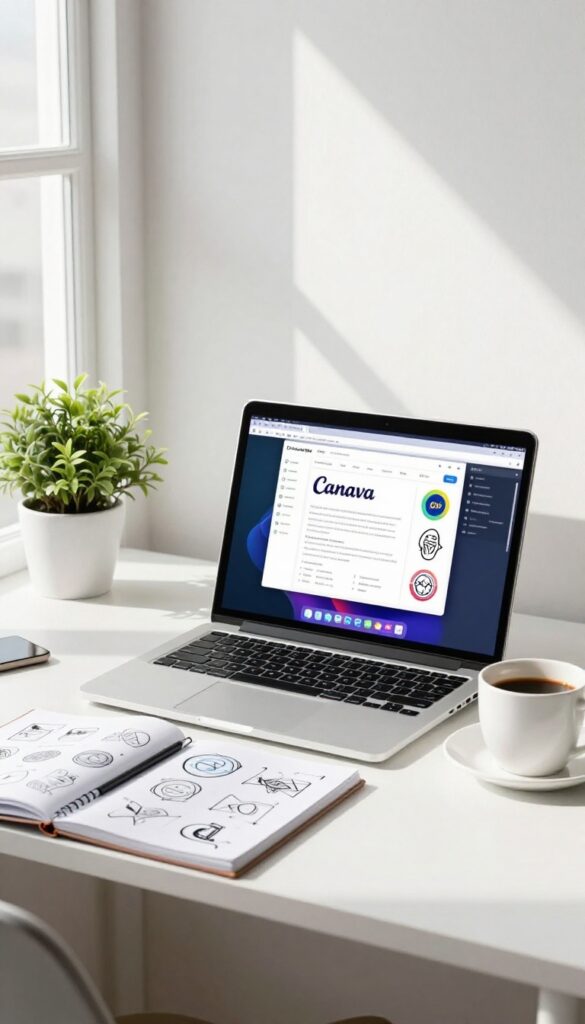
If you have an eye for design, businesses are always looking for help with logos, social media posts, and marketing materials. You don't need to be a pro—tools like Canva make it easy to create clean, professional-looking graphics. Start small, build a portfolio, and you'll be earning extra cash in no time.
Freelance graphic design is one of the most accessible creative side hustles. With platforms like Fiverr and Upwork, you can list your services today and get your first client within days. The key is to specialize in a few types of projects—like social media templates or simple logos—so you can deliver quickly and build a reputation.
Getting Started With Canva
Canva is a free, beginner-friendly design tool with thousands of templates. Start by recreating popular styles you see on social media. Then offer your services on Fiverr with a clear gig description and sample images.
A simple logo gig can start at $20 and quickly scale up as you gain reviews.
Finding Your First Clients
Beyond freelancing platforms, reach out to local small businesses or friends who run online shops. Offer to design a free social media post in exchange for a testimonial. Once you have a few happy clients, ask for referrals.
Word of mouth is powerful in this field.
18. Web Development (No-Code)
Not everyone has the patience to learn coding, and that’s totally fine. No-code tools like Wix, Squarespace, and Webflow let you build professional-looking websites by dragging and dropping elements. Small businesses, freelancers, and local shops often need a simple site but don’t have the budget for a custom developer.
That’s where you come in.
You can start by offering to build a basic 5-page website for a local coffee shop, yoga studio, or consultant. Charge a flat fee or a monthly maintenance rate. As you get faster, you can take on more clients and even upsell services like SEO tweaks or email setup.
What You Need To Start
Just a laptop, an internet connection, and a free account on a no-code platform. Spend a weekend learning the interface by watching YouTube tutorials. Build a sample site for a fake business to practice.
How To Find Clients
Start with your network – ask friends if they know any small business owners who need a site. You can also join local Facebook groups or reach out to businesses that have outdated or no websites. Offer a free consultation to show them what’s possible.
Pricing Your Services
Beginners can charge $300–$800 for a simple site, depending on pages and features. As you gain experience and testimonials, raise your rates. Many no-code developers also offer monthly maintenance for $50–$150 to keep the site updated.
19. Copyediting & Proofreading
Good writing is everywhere online, but not everyone can catch their own typos or awkward phrasing. That's where you come in. Copyediting and proofreading let you polish blog posts, ebooks, marketing copy, and more—all from your laptop.
It's a low-cost side hustle that pays attention to detail.
Where To Find Work
Start on freelance platforms like Reedsy, which connects editors with authors and publishers. Upwork and Fiverr also have steady proofreading gigs. You can pitch directly to bloggers or small business owners who need clean copy.
Skills You Already Have
If you have a strong grasp of grammar, punctuation, and style guides (like AP or Chicago), you're halfway there. A keen eye for consistency and clarity matters more than a fancy degree. Many editors learn on the job.
How To Get Started
Create a simple portfolio with before-and-after samples. Offer a free trial edit for new clients to showcase your eye. Set clear rates—per word or per hour—and communicate turnaround times.
Word of mouth grows fast in this niche.
20. Customer Support (Remote)
Companies big and small need friendly people to handle customer questions via chat, email, or phone. You don't need a fancy degree—just good communication skills and a reliable internet connection. Many remote support roles offer flexible hours, making them a solid side hustle for beginners.
What You'll Do
You'll answer customer inquiries, troubleshoot basic issues, and escalate complex problems. Most companies provide scripts and training, so you're never on your own. Tasks can range from resetting passwords to explaining product features.
Skills You Need
Strong written and spoken English is key. You should be patient, empathetic, and able to type quickly. Basic computer skills and a quiet workspace help too.
No prior experience required for many entry-level roles.
Where To Find Gigs
Check sites like Indeed, Remote. co, and FlexJobs for customer support roles. Companies like Amazon, Apple, and Zappos often hire remote support agents. You can also look for chat support gigs on platforms like LiveWorld or Arise.
How Much You Can Earn
Pay varies by company and complexity, but expect $10–$20 per hour. Some roles offer performance bonuses or pay per chat. Part-time schedules are common, so you can easily fit this around your day job.
21. Sell Handmade Crafts Online

Turning a creative hobby into cash is easier than ever. Platforms like Etsy and Amazon Handmade let you list jewelry, candles, art, or other handmade goods without needing a physical store. The trick is pairing your craft with smart digital marketing so the right customers find you.
Choose Your Platform
Etsy is the go‑to for handmade items, with a built‑in audience that searches for unique gifts. Amazon Handmade offers massive reach but has stricter approval. Start with one, master its tools, then expand.
Photography Matters
Good photos sell crafts. Use natural light, a clean background, and show scale (like a coin next to a necklace). Listings with crisp images get more clicks and conversions.
Market With Social Media
Post behind‑the‑scenes videos on Instagram or TikTok. Share your making process, packaging, or customer reviews. A short reel can drive traffic to your shop without spending on ads.
Pricing For Profit
Don’t underprice. Factor in materials, time, platform fees, and shipping. Check competitors’ prices but remember your work has value.
A small price increase often doesn’t hurt sales.
FAQ
How much money can a beginner make with a digital side hustle?
It varies widely. Some ideas like surveys pay pocket money ($50–$100/month), while freelancing or blogging can grow to $1, 000+ per month with consistency.
Do I need special skills to start?
Not necessarily. Many hustles (virtual assistant, data entry, transcription) require basic computer skills. Others like writing or design can be learned with free resources.
How much time do these side hustles take?
From a few hours a week to part-time. Choose one that fits your schedule. Start small and scale up.
Which side hustle is the easiest for a complete beginner?
Online surveys, transcription, or selling digital products are low-barrier. They require little upfront learning and can start immediately.
Can I turn a side hustle into a full-time income?
Yes, many people have. Blogging, YouTube, freelancing, and dropshipping have all grown into full-time businesses. It takes time and effort.
Conclusion
The best side hustle is the one you actually start. Pick one idea from this list that fits your current schedule and give it a real try for a month. Even a small, consistent effort can build into a reliable income stream over time.
Start today, and let the momentum carry you forward. You might discover a new skill or passion along the way—and that extra cash is just the beginning.
Free PDF Download
Not Sure Which Side Hustle Fits You Best?
Take the free Side Hustle Matchmaker Quiz and get a simple 7-day starter plan to help you choose a beginner-friendly idea based on your time, skills, comfort level, and goals.
You’ll get this free PDF plus access to the full Marketerna Save More & Earn More PDF Kit. No spam. Unsubscribe anytime.