17 Product-Based Business Ideas for Beginners
You've got the drive to start a product business, but maybe not a warehouse full of inventory. That's exactly where these 17 ideas shine—they're beginner-friendly, low-risk, and designed to fit around your current life. From print-on-demand tees to handmade candles, each option lets you test the waters without a huge upfront investment.
What makes this list different is the focus on real-world demand and easy entry points. You don't need a workshop or a big budget to launch most of these. A few supplies, a bit of creativity, and you're ready to start selling.
Pick the one that sparks your interest, set up a simple shop, and take that first step today. Your future customers are waiting.
Free PDF Download
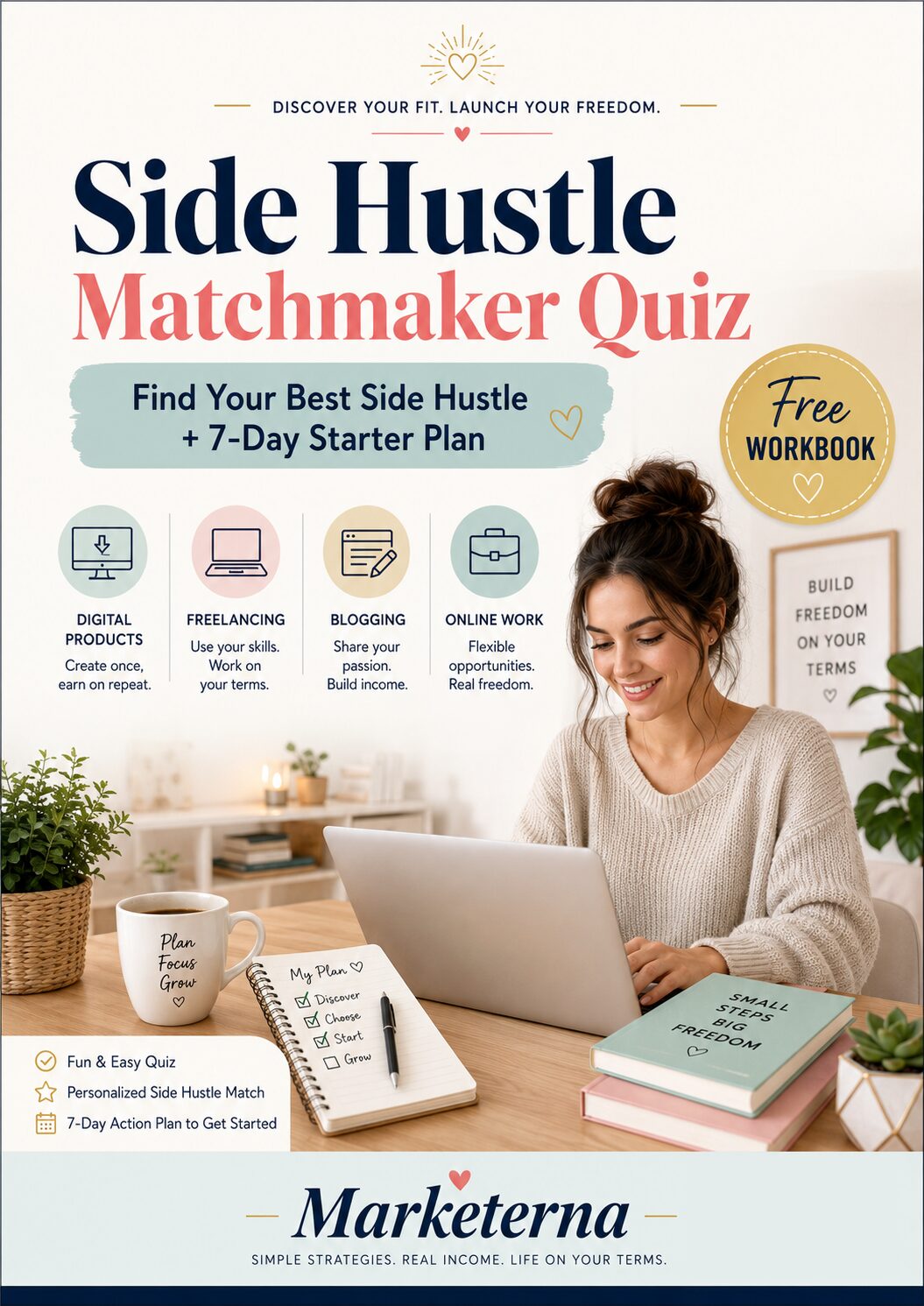
Not Sure Which Side Hustle Fits You Best?
Take the free Side Hustle Matchmaker Quiz and get a simple 7-day starter plan to help you choose a beginner-friendly idea based on your time, skills, comfort level, and goals.
You’ll get this free PDF plus access to the full Marketerna Save More & Earn More PDF Kit. No spam. Unsubscribe anytime.
1. Print-on-Demand T-Shirts
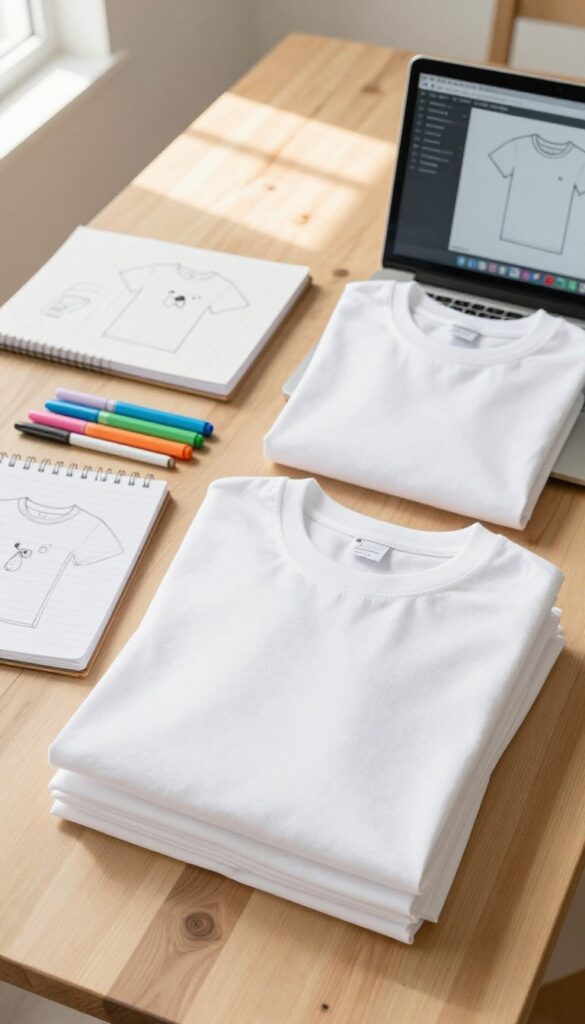
Print-on-demand lets you sell custom t-shirts without buying inventory or handling shipping. You design the artwork, upload it to a platform like Printful or Redbubble, and they print and ship each order directly to your customer. It's one of the easiest ways to start a product business with zero upfront cost.
With print-on-demand, your only job is creating designs that people want to buy. The platform handles production, packaging, and delivery. You set your own price, and your profit is the difference between what you charge and the base cost.
It's a low-risk way to test different niches and styles without committing to bulk orders.
Finding Your Niche
Instead of generic slogans, focus on specific audiences—dog lovers, gamers, teachers, or fans of a hobby like hiking or knitting. Use keyword research tools or browse social media to see what people are already talking about. A narrow niche often means less competition and more loyal customers.
Design Tips For Beginners
You don't need to be a professional artist. Use free tools like Canva or GIMP to create simple, clean designs. Text-based designs with a clever phrase or a minimalist icon can sell just as well as complex illustrations.
Keep your file high-resolution and make sure the colors pop on different shirt colors.
Choosing A Platform
Printful integrates with Shopify and Etsy, giving you a professional storefront. Redbubble is a marketplace where you upload designs and they handle everything—but you have less control over pricing. For beginners, starting with Redbubble is simpler, while Printful gives you more branding options.
2. Handmade Candles
Few things sell themselves like a beautifully scented candle. The handmade candle market is booming, and you can start with just a few supplies and a kitchen stove. Soy wax, essential oils, and unique containers let you create products that feel luxurious without costing a fortune to make.
Candles are one of the most accessible product businesses for beginners. The startup costs are low—under $100 for basic supplies—and the profit margins can be high. You can sell on Etsy, at local craft fairs, or even build your own website.
The key is finding a signature scent or style that sets you apart.
Getting Started With Supplies
You'll need soy wax flakes, wicks, a melting pot, a thermometer, and fragrance oils. Containers can be recycled jars, tins, or ceramic vessels. Start with just three or four scents to keep inventory manageable.
Finding Your Niche
Think about what makes your candles special. Maybe it's a unique scent like lavender-vanilla-cedar, or a minimalist design. Some sellers focus on eco-friendly packaging or local ingredients.
Your niche could be as simple as candles named after your city's neighborhoods.
Pricing And Selling
A typical 8 oz candle costs about $3–$5 to make and sells for $15–$25. Price based on your costs plus a healthy margin. Start with Etsy or local markets to test demand before investing in a full website.
Free PDF Download
Not Sure Which Side Hustle Fits You Best?
Take the free Side Hustle Matchmaker Quiz and get a simple 7-day starter plan to help you choose a beginner-friendly idea based on your time, skills, comfort level, and goals.
You’ll get this free PDF plus access to the full Marketerna Save More & Earn More PDF Kit. No spam. Unsubscribe anytime.
3. Custom Mugs and Drinkware
Personalized mugs and drinkware are a hit for gifts, office swag, and everyday use. The barrier to entry is low: a heat press, some blanks, and a printer can get you started. Plus, people love sipping from something that feels uniquely theirs.
What You Can Make
Think beyond basic coffee mugs. Offer tumblers, wine glasses, water bottles, and even shot glasses. Use sublimation for full-color designs or vinyl for crisp, single-color quotes.
Seasonal themes, funny sayings, and custom photo mugs are always popular.
How To Get Started
You'll need a mug press or a convection oven for sublimation, plus a printer with sublimation ink. Blank mugs and drinkware are cheap from suppliers like Amazon or specialized wholesalers. Start with a small batch of 10–20 designs to test what sells.
Selling And Pricing
List on Etsy, Amazon Handmade, or your own Shopify store. Price each mug between $15–$25 depending on complexity. Bulk orders for corporate events or weddings can be your bread and butter—offer discounts for orders over 50 units.
4. Bath Bombs and Soaps
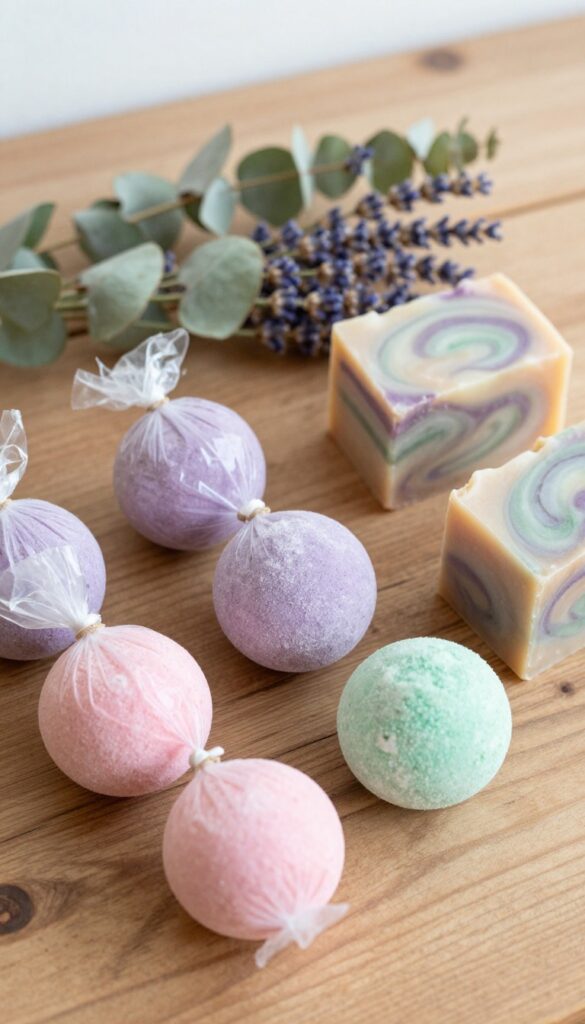
Bath bombs and soaps are a natural fit for the self-care boom. People love pampering themselves with colorful, fragrant products that feel luxurious. The best part?
You can start small with basic ingredients and simple molds, then scale up as you find your bestsellers.
This idea is all about creating handmade bath products that stand out through natural ingredients and beautiful packaging. Start with a few core scents like lavender or eucalyptus, and experiment with shapes and colors. Once you have a small batch, package them in clear wrap or branded boxes with a simple label.
Social media is your friend here—photos of fizzing bath bombs or layered soap bars practically sell themselves.
Getting Started With Ingredients
You'll need baking soda, citric acid, cornstarch, and oils for bath bombs. Soap bases come pre-made—just melt, add fragrance and color, and pour into molds. Source from local craft stores or online suppliers.
Start with a few test batches to get the fizz and scent strength right.
Packaging And Branding
Pretty labels sell. Invest in a simple logo and use clear bags or boxes with a tissue paper liner. Add a small card with ingredients and usage tips.
Customers love knowing exactly what's in their products, especially if you use natural or organic ingredients.
Where To Sell
Etsy is the go-to platform for handmade bath products. Local farmers' markets and craft fairs also work well. Build a simple website with Shopify or WooCommerce for direct sales.
Offer gift sets around holidays to boost revenue.
Free PDF Download
Not Sure Which Side Hustle Fits You Best?
Take the free Side Hustle Matchmaker Quiz and get a simple 7-day starter plan to help you choose a beginner-friendly idea based on your time, skills, comfort level, and goals.
You’ll get this free PDF plus access to the full Marketerna Save More & Earn More PDF Kit. No spam. Unsubscribe anytime.
5. Pet Accessories
Pets are family, and owners love spoiling them with stylish gear. From collars to cozy beds, handmade pet accessories are in high demand. You don't need a big workshop—just a sewing machine, quality materials, and a love for animals.
Start small, test a few designs, and watch your furry fanbase grow.
Pet accessories are a fun, low-cost entry into product-based business. You can create collars, bandanas, leashes, or pet beds with unique patterns and durable fabrics. Pet owners are always looking for something special that stands out from mass-produced options.
Start with a few bestsellers, then expand based on customer feedback.
What To Make
Focus on items that are simple to produce but high in perceived value. Collars and bandanas are quick to sew and easy to customize. Pet beds require more material but have great margins.
Consider matching sets for a premium feel.
Sourcing Materials
Choose durable, washable fabrics like cotton, nylon, or faux fur. Hardware like buckles and D-rings should be sturdy and pet-safe. Buy in bulk from local fabric stores or online suppliers to keep costs low.
Marketing Tips
Showcase your products on pets in action—photos and short videos work wonders. Use social media platforms like Instagram and Pinterest to reach pet lovers. Offer a discount for first-time buyers or create a referral program to build word-of-mouth.
6. Jewelry and Accessories
Handmade jewelry is one of those businesses that feels creative and accessible at the same time. You can start with a small table at a local craft fair or open an Etsy shop with just a few designs. The beauty?
You don't need expensive tools or years of experience to make pieces people actually want to buy.
Jewelry making lets you turn simple materials into wearable art. Whether you're into delicate minimalist chains or chunky statement earrings, there's a market for your style. Start small, test designs, and grow from there.
Pick Your Medium
Beaded jewelry is beginner-friendly and colorful. Wire wrapping gives a boho feel with just pliers and wire. Polymer clay lets you create playful shapes and patterns.
Choose one to master first, then expand.
Find Your Style Niche
Minimalist gold or silver pieces appeal to everyday wearers. Boho designs with feathers and stones attract festival-goers. Statement earrings are great for fashion lovers.
Stick to one aesthetic to build a recognizable brand.
Sell Online And In Person
Etsy and Instagram Shops work well for online sales. For local traction, try craft fairs, pop-up markets, or even trunk shows with friends. Good photos and clear pricing make all the difference.
7. Homemade Gourmet Foods
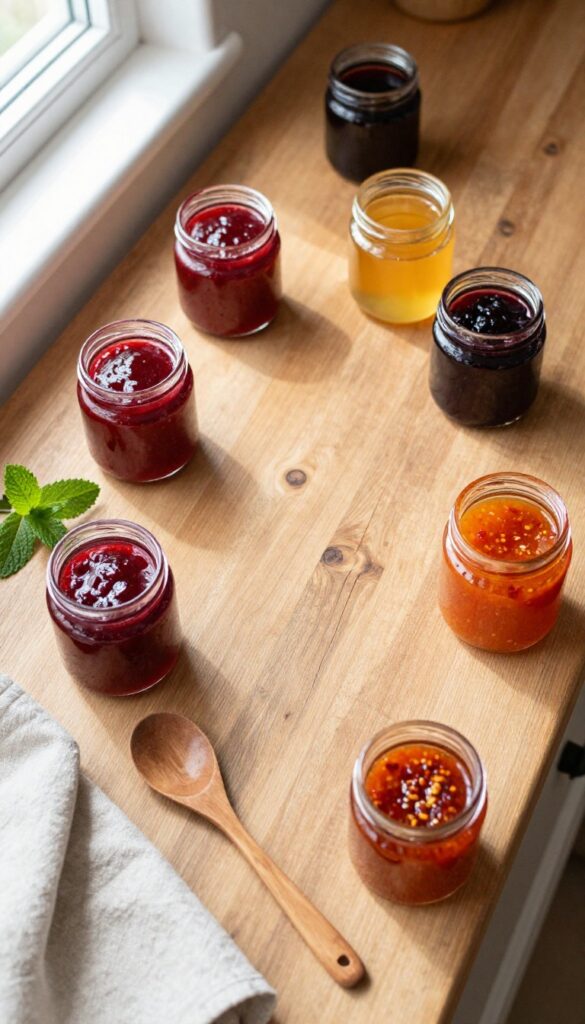
Turning your kitchen into a mini food business is more doable than you think. Whether you're known for your spicy mango habanero sauce or your family's secret granola recipe, people are willing to pay for quality homemade eats. The key is starting small, following safety rules, and finding the right local spots to sell.
Homemade gourmet foods cover a wide range—jams, hot sauces, granola, baked goods, spice blends, and more. The beauty is you can start with what you already love making. Just remember that food businesses come with regulations, so check your local cottage food laws to see what's allowed without a commercial kitchen.
Know Your Local Food Laws
Most areas have cottage food laws that let you sell certain low-risk foods from home. These often include baked goods, jams, and dry mixes. You might need a food handler's permit or label requirements.
Look up your state or country's rules before you start selling.
Start With A Signature Product
Pick one or two items you make really well. Test them on friends and family first. Get honest feedback on taste, packaging, and shelf life.
A focused lineup makes production easier and helps you build a brand around a standout product.
Where To Sell
Farmers markets are a classic launchpad. You get face-to-face feedback and instant sales. Local coffee shops, boutiques, and grocery stores may also carry your goods on consignment.
Online platforms like Etsy or your own website can expand your reach, but shipping food requires extra care.
8. Plant-Based Skincare
Natural skincare is booming, and you don't need a lab to get started. By blending plant oils, butters, and essential oils, you can create lotions, lip balms, and serums that people actually want. Small batches keep your costs low and let you experiment with recipes until you find your bestsellers.
The clean beauty movement is here to stay. Customers are reading labels and avoiding synthetic ingredients. That's your opening.
With a few base ingredients like shea butter, coconut oil, and jojoba oil, you can whip up products that feel luxurious without the markup. Start with one hero product—a whipped body butter or a tinted lip balm—and grow from there.
What You'll Need
Basic equipment includes a double boiler, mixing bowls, a hand mixer, and containers. Ingredients like beeswax, cocoa butter, and vitamin E oil are affordable in bulk. A digital scale ensures consistency.
Total startup cost can be under $200.
Selling Your Products
Online marketplaces like Etsy or your own Shopify store work well. Farmers' markets and local boutiques are great for face-to-face sales. Emphasize your ingredients and small-batch quality in product descriptions and labels.
Staying Compliant
Check local regulations for cosmetic labeling and registration. The FDA has guidelines for ingredients and claims. Keep batch records and consider liability insurance.
It's not as scary as it sounds, and it protects your business.
9. Customized Apparel (Embroidery)
A single embroidery machine can turn plain hats, hoodies, and bags into personalized keepsakes. Monograms for gifts, logos for local sports teams, or custom designs for corporate events—each piece feels special. The best part?
You don't need a huge inventory. Just order blanks as orders come in.
Start with a mid-range single-needle machine (around $300–$500) and a small selection of thread colors. Focus on popular items like baseball caps, crewneck sweatshirts, and canvas tote bags. Offer simple monograms and basic logos at first, then expand into more complex designs as your skills grow.
What You Need To Begin
An embroidery machine, stabilizer material, hoops in various sizes, and a good source for blank apparel. Many suppliers offer bulk discounts on hats and hoodies. Digitizing software (like Embrilliance or Hatch) converts your designs into stitch files.
Best Sellers To Start
Monogrammed beanies sell well in winter, while custom logo hats are always popular for teams and businesses. Embroidered hoodies with a small chest logo are a hit for family reunions and company swag. Tote bags with cute sayings make great gifts.
Pricing And Profit Tips
Charge a base price for the blank item plus a per-thousand-stitch fee. A typical hat might cost you $5–$8 and sell for $20–$30. Offer discounts for bulk orders of 10 or more.
Bundle deals (like hat + hoodie set) can increase average order value.
10. Home Decor Items
People love making their spaces feel cozy and personal, and home decor is one of the easiest categories to break into. You don't need a big workshop—just a corner to craft throw pillows, wall art, macrame hangings, or wooden signs. These items are lightweight to ship and have a loyal customer base on platforms like Etsy and Amazon Handmade.
The beauty of home decor is how trend-driven it is. Right now, boho, minimalist, and farmhouse styles are hot. You can start with just a few designs and expand as you see what sells.
Materials are affordable, and you can often make items in batches to save time.
Start With What's Trending
Look up current decor trends on Pinterest or Instagram. Macrame wall hangings, neutral-toned throw pillows, and wooden signs with uplifting quotes are always popular. Pick a niche within home decor—like modern boho or rustic farmhouse—and stick with it to build a cohesive shop.
Low-cost Materials, High Perceived Value
You can buy fabric, yarn, or wood blanks in bulk for cheap. A simple macrame piece might cost you $5 in materials but sell for $25+. The key is clean craftsmanship and good photos—great lighting makes even simple items look premium.
Sell Where Decor Shoppers Hang Out
Etsy is the obvious choice, but don't overlook Amazon Handmade or even local craft fairs. Social media is huge for decor—post process videos on TikTok or Instagram Reels. People love seeing how you make the items, and it builds trust fast.
11. Subscription Boxes
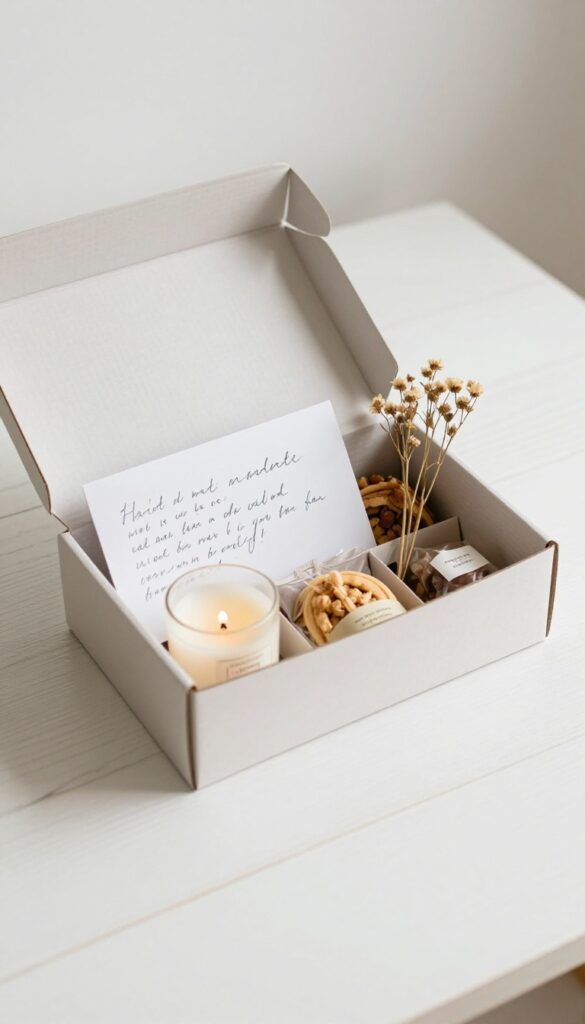
Subscription boxes are a brilliant way to turn a one-time sale into recurring revenue. You pick a theme—snacks, self-care, books, or crafts—and curate a monthly box around it. The key is to source products that feel exciting and package them in a way that makes opening the box an experience.
Start small by testing your theme with a few friends or on a platform like Cratejoy. Focus on a niche you're passionate about so you can easily find unique items. As you grow, negotiate better pricing with suppliers and consider offering different box tiers to attract more subscribers.
Choose Your Niche
Pick a specific theme that has a dedicated audience. For example, a "vegan snack box" targets a clear group, while a "general snack box" is too broad. Niche down to stand out and make sourcing easier.
Source And Package
Find products from local makers, wholesalers, or even your own creations. Packaging matters—use branded boxes, tissue paper, and a personalized note. Unboxing videos are free marketing, so make it Instagram-worthy.
Pricing And Retention
Set a price that covers product cost, packaging, shipping, and a profit margin. Offer discounts for 3-month or annual plans to improve retention. Keep subscribers happy by occasionally including a surprise bonus item.
12. Digital Products (Printable Art)
Printable art is one of the cleanest business models out there. You design once, sell forever, and never touch a physical product. Customers buy, download, print at home or a local shop.
No shipping costs, no inventory to store, no returns. It's pure creative leverage. The best part?
People constantly refresh their wall decor, planners, and coloring books, so demand stays steady.
Start by identifying a niche you enjoy—minimalist quotes, botanical prints, daily planners, or adult coloring pages. Create high-resolution files using Canva, Procreate, or Adobe Illustrator. List them on Etsy, Gumroad, or your own Shopify store.
Pricing typically ranges from $2 to $15 per item. Bundle related designs into collections for higher average order value. Promote on Pinterest and Instagram with mockups showing the art in real rooms.
What Sells Best
Bestsellers often include motivational quotes, seasonal prints, and functional planners. Wedding and baby shower printables also do well. Look at trending keywords on Etsy to spot gaps.
For example, “boho wall art” or “undated weekly planner” consistently rank high.
Keep Costs Near Zero
Your main expense is time and maybe a design tool subscription. Canva Pro is around $13/month and gives you thousands of templates. No raw materials, no shipping supplies.
You can start today with zero upfront cash.
Scaling Without Overwork
Once you have a few bestsellers, create variations—different colors, sizes, or themes. Batch design several products in one sitting. Automate delivery with digital download platforms.
You can earn passive income while you sleep.
13. Baby and Kids Products
Parents are always on the hunt for adorable, safe, and unique items for their little ones. From custom bibs to nursery decor, this niche has endless possibilities. You don't need a huge inventory—just a few quality products and a focus on safety and cuteness.
Baby and kids products are a evergreen market with high demand. Parents love personalized touches and eco-friendly materials. Start small with one product line, like organic cotton bibs or wooden toys, and expand based on customer feedback.
Focus On Safety First
Always use non-toxic, baby-safe materials. Check for choking hazards and sharp edges. Certifications like ASTM or CPSC can boost trust.
Personalization Sells
Embroidered names or custom prints make items feel special. Offer monogramming or custom colors to stand out from generic brands.
Niche Down For Better Reach
Instead of general baby products, try a specific angle like eco-friendly toys, sensory play mats, or gender-neutral nursery decor. A clear niche helps you target the right audience.
14. Eco-Friendly Reusables
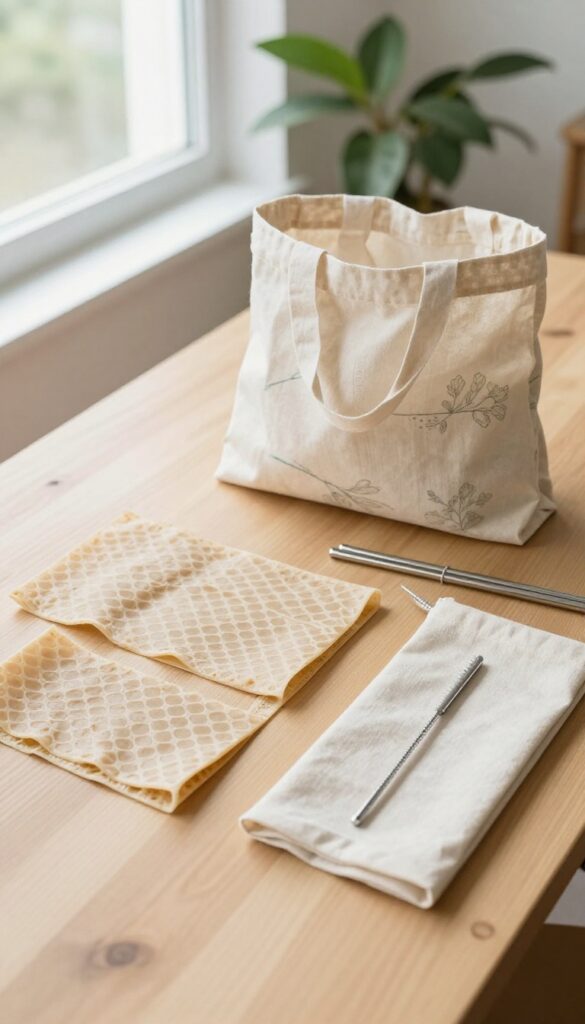
Plastic waste is a huge problem, and more people are looking for ways to cut down. That's where eco-friendly reusables come in. You can make simple swaps like beeswax wraps, reusable shopping bags, or stainless steel straws that help customers live greener.
The best part? These products are easy to create with basic materials and have a loyal audience ready to buy.
Sustainability isn't just a buzzword—it's a growing movement. By offering reusables, you're tapping into a market that values quality and environmental impact. Start small with one product, test the demand, then expand your line.
Your customers will appreciate the effort, and you'll feel good about reducing waste.
Beeswax Wraps
Beeswax wraps are a natural alternative to plastic wrap. You can make them with cotton fabric, beeswax, jojoba oil, and pine resin. They're reusable for up to a year and compostable at the end.
Sell them in sets of three or five, and offer different sizes for bowls, sandwiches, and produce.
Reusable Shopping Bags
Everyone needs bags for groceries, but not all bags are created equal. Focus on durable, foldable designs made from recycled materials or organic cotton. Add a fun pattern or a simple logo to make them stand out.
Bulk orders from local businesses can also be a steady revenue stream.
Stainless Steel Straws
Stainless steel straws are lightweight, easy to clean, and last forever. Package them with a cleaning brush in a reusable pouch. You can also offer silicone tips for hot drinks or bent straws for tumblers.
They're a low-cost item that makes a great add-on or gift set.
15. Art Prints and Posters
Art prints and posters let you turn your creativity into cash without needing a physical store or a pile of inventory. Whether you're a digital illustrator, a photographer, or someone who loves doodling, you can sell your designs online. Print-on-demand services handle production and shipping, so you focus on creating and marketing.
It's a low-risk way to build a brand around your unique style.
Start by creating a collection of original artwork or illustrations. You don't need to be a professional artist—clean, simple designs often sell well. Use a print-on-demand platform like Printful or Redbubble to list your designs on products like posters, canvas prints, or framed art.
Alternatively, print locally and sell through Etsy or your own website. Promote your work on social media, especially Instagram and Pinterest, where visual content thrives. Build a consistent aesthetic so people recognize your brand.
Finding Your Niche
Think about what themes resonate with your target audience. Minimalist line art, motivational quotes, nature scenes, or pop culture references all have fans. Look at trending styles on Etsy or Pinterest for inspiration, but add your own twist.
A focused niche helps you stand out and attract repeat buyers.
Print-on-demand Vs. Local Printing
Print-on-demand is hassle-free—no upfront costs, no inventory, and the supplier ships directly to customers. But local printing gives you more control over quality and packaging, which can justify higher prices. Start with POD to test the market, then switch to local printing once you have steady sales.
Marketing Your Art
Use social media to show your creative process—time-lapse videos, behind-the-scenes shots, and finished pieces. Engage with art communities and use relevant hashtags. Offer limited editions or seasonal designs to create urgency.
Email newsletters can also help you build a loyal following.
16. Custom Phone Cases
Phone cases are one of those products people buy again and again. They're cheap to produce, easy to ship, and everyone with a phone is a potential customer. With print-on-demand services, you don't need to hold any inventory.
You just upload your designs, and when someone orders, the case gets printed and shipped directly to them.
Design phone cases with original art, patterns, or personalized text. Print-on-demand keeps it simple. Target niche audiences like gamers or pet lovers.
Why This Works
People love expressing themselves through their phone cases. It's a low-cost accessory that makes a statement. And because phones get upgraded or cases wear out, repeat sales are common.
Getting Started
You don't need design skills to begin. Use free tools like Canva or hire a freelance designer on Fiverr. Then pick a print-on-demand platform like Printful or Printify, connect it to your Shopify or Etsy store, and start selling.
Niche Ideas
Instead of generic designs, focus on a specific audience. Think dog breeds, anime characters, motivational quotes for students, or minimalist patterns for professionals. The more targeted, the less competition you'll face.
Marketing Tips
Social media is your friend here. Post photos of your cases on Instagram and Pinterest. Encourage customers to share pictures of their cases with a branded hashtag.
A simple unboxing video can also go a long way.
17. DIY Craft Kits
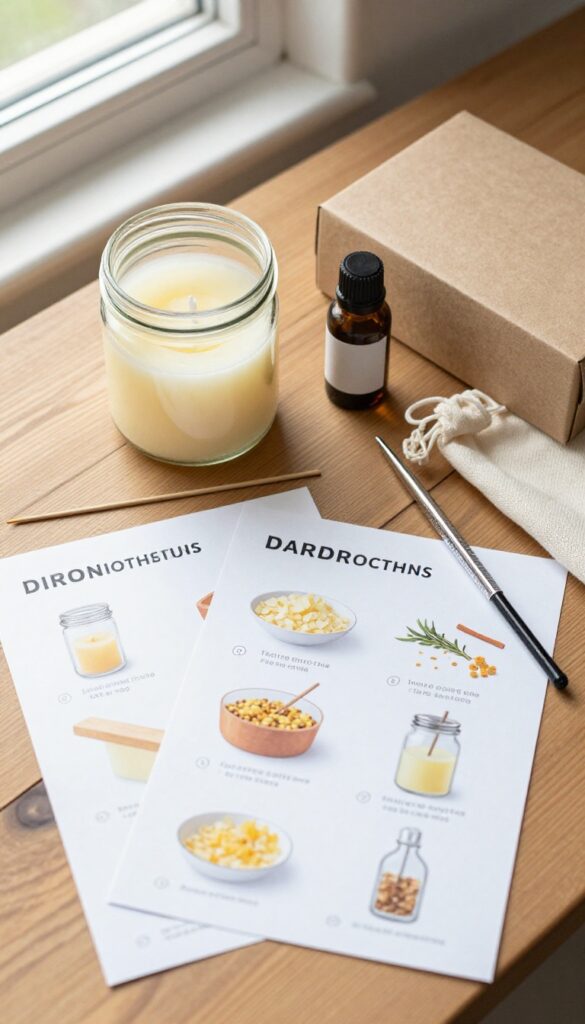
Craft kits are a hit because they give people everything they need to try something new without the hassle of gathering supplies. You can focus on trending activities like candle making, paint pouring, or knitting. These kits work great for date nights, kids' parties, or even as thoughtful gifts.
The best part? You can start small with just a few kit designs and scale up as you learn what sells.
DIY craft kits let you package creativity into a box. Each kit includes all materials and step-by-step instructions so customers can jump right in. You can target specific occasions—like a "Date Night Candle Kit" or a "Kids' Slime Party Pack.
" The key is to keep instructions clear and materials high-quality so the experience is fun, not frustrating. Start with one or two kits, test them with friends, then launch on Etsy or your own site.
What To Include In A Kit
Every kit should have all the supplies needed to complete the project. For a candle kit, that means wax, wicks, fragrance oil, a container, and a thermometer. Add a printed instruction sheet with photos.
Bonus items like a small funnel or a sticker can make the unboxing feel special. Keep packaging simple but attractive—kraft boxes or muslin bags work well.
Marketing Your Kits
Show the finished product in use. Post short videos on TikTok or Instagram of someone making the craft in real time. Partner with local event planners or party venues to offer kits as favors or activities.
You can also create a "kit of the month" subscription to build recurring revenue. Word of mouth spreads fast when people share their creations online.
Pricing And Profitability
Price your kits to cover materials, packaging, and your time, plus a healthy margin. A typical candle kit might cost $8 to $12 in supplies and sell for $25 to $35. Buy materials in bulk to lower costs.
Start with a small batch to test demand, then reinvest profits into more variety. You can also offer add-ons like extra fragrance oils or decorative labels to increase average order value.
FAQ
How much money do I need to start a product-based business?
It varies, but many ideas on this list can start with under $100. Print-on-demand requires almost no upfront cost, while handmade items may need a small investment in materials.
Do I need a business license to sell products?
Most likely yes. Check your local regulations. A basic business license is usually inexpensive and easy to obtain.
You may also need a sales tax permit.
Where should I sell my products?
Start with online marketplaces like Etsy, Amazon Handmade, or eBay. You can also sell on your own website via Shopify or WooCommerce. Local craft fairs and farmers markets are great for testing products.
How do I handle shipping and fulfillment?
For handmade items, you can ship yourself using USPS, UPS, or FedEx. Print-on-demand services handle fulfillment for you. Consider using a fulfillment service if order volume grows.
How do I price my products?
Calculate your material costs, labor, and overhead, then add a profit margin. Research competitors to see what the market will bear. A common rule is to price at 2-3x your cost.
Conclusion
Not every business idea needs a big launch. The smartest move is to pick one that feels doable right now and start small. Test it with a single client or product, learn from real feedback, and build from there.
Your first step matters more than having everything figured out. Take it today.
Free PDF Download
Not Sure Which Side Hustle Fits You Best?
Take the free Side Hustle Matchmaker Quiz and get a simple 7-day starter plan to help you choose a beginner-friendly idea based on your time, skills, comfort level, and goals.
You’ll get this free PDF plus access to the full Marketerna Save More & Earn More PDF Kit. No spam. Unsubscribe anytime.