
21 Small Online Business Ideas to Research
You don't need a huge budget or a fancy degree to start making money online. Many successful businesses began as simple ideas that solved real problems. The key is finding the right fit for your skills and interests.
These 21 small online business ideas are practical, low-risk, and worth digging into. Some require specific talents, while others just need a willingness to learn. Each one has real potential to grow into a steady income stream.
Pick one that sparks your curiosity and start researching. The best time to begin is now.

Free PDF Download
Not Sure Which Side Hustle Fits You Best?
Take the free Side Hustle Matchmaker Quiz and get a simple 7-day starter plan to help you choose a beginner-friendly idea based on your time, skills, comfort level, and goals.
You’ll get this free PDF plus access to the full Marketerna Save More & Earn More PDF Kit. No spam. Unsubscribe anytime.
1. Freelance Writing

Every business needs words. Blogs, website copy, email newsletters, social media posts—someone has to write them. If you can string sentences together clearly and persuasively, you can get paid for it.
Freelance writing is one of the easiest online businesses to start because you don't need any special equipment or upfront investment, just a laptop and a willingness to research and write.
Where To Find Clients
Start on platforms like Upwork, Fiverr, or ProBlogger. Many beginners land their first gigs there. You can also pitch directly to blogs and small businesses you admire.
A simple email with a few article ideas can go a long way.
How To Set Your Rates
New writers often charge $0. 05–$0. 10 per word.
As you build a portfolio and get testimonials, you can raise your rates to $0. 20–$0. 50 per word or more.
Some writers charge per project or per hour instead.
Specialize To Earn More
General writing is fine, but specializing in a niche—like tech, health, finance, or travel—lets you command higher rates. You become the go-to person for that topic, and clients are willing to pay a premium for expertise.
2. Virtual Assistant
Not everyone loves the nitty-gritty of running a business. Many entrepreneurs would rather focus on big-picture strategy than answer emails or schedule meetings. That's where you come in.
As a virtual assistant, you take over the administrative tasks that eat up their time, letting them do what they do best.
Virtual assistants handle everything from email management and calendar scheduling to data entry and customer follow-ups. The work is remote, flexible, and can be done from anywhere. You don't need a ton of experience to start—just solid organizational skills, reliability, and a willingness to learn.
Many VAs begin with one or two clients and grow from there.
What You'll Actually Do
Day-to-day tasks vary by client but often include managing inboxes, booking travel, creating spreadsheets, and handling social media posts. Some VAs also do light bookkeeping or research. The key is to be proactive and anticipate what your client needs before they ask.
How To Get Started
Start by listing the services you're comfortable offering. Set up a simple website or a profile on platforms like Upwork or Belay. Reach out to small business owners in your network—many are looking for help but don't know where to find it.
You can also specialize in a niche like real estate or e-commerce to stand out.
What You Can Earn
Rates vary widely based on experience and services offered. Beginners often charge $15–$25 per hour, while experienced VAs with specialized skills can earn $50–$75 per hour. Many VAs also offer monthly retainer packages for steady income.
Free PDF Download
Not Sure Which Side Hustle Fits You Best?
Take the free Side Hustle Matchmaker Quiz and get a simple 7-day starter plan to help you choose a beginner-friendly idea based on your time, skills, comfort level, and goals.
You’ll get this free PDF plus access to the full Marketerna Save More & Earn More PDF Kit. No spam. Unsubscribe anytime.
3. Print on Demand
Ever wanted to sell your own merch without the risk of buying a bunch of inventory that might not sell? Print on demand (POD) lets you design custom t-shirts, mugs, phone cases, and more — and a third-party partner prints and ships each item only after a customer places an order. You focus on creating designs and marketing, while they handle production and fulfillment.
Print on demand is a low-risk way to test product ideas and build a brand. You don't need to invest in bulk inventory or worry about storage. Platforms like Printful, Printify, and Redbubble connect you with print partners worldwide.
Once you upload your designs, they take care of the rest. Your profit is the difference between your selling price and the base cost of the product plus shipping.
Find Your Niche
The most successful POD stores target a specific audience. Think about hobbies, professions, or communities you know well. Dog lovers, yoga enthusiasts, gamers, or teachers — each group has its own inside jokes and passions.
Designs that speak to those interests sell better than generic quotes.
Design Tips That Convert
You don't need to be a professional designer. Canva and Adobe Express offer templates and easy-to-use tools. Keep designs simple, bold, and readable.
Use high-contrast colors and avoid tiny text. A good rule: if it looks great as a thumbnail, it'll probably sell.
Marketing Without The Hard Sell
Social media is your best friend here. Share behind-the-scenes content, mockups, and customer photos. Run targeted ads on Instagram or Pinterest to reach your niche.
Building a small email list also helps — offer a discount code in exchange for sign-ups. Consistency matters more than volume.
4. Dropshipping
Dropshipping lets you sell products online without ever touching inventory. When a customer places an order, your supplier ships the item directly to them. This model removes the risk of buying stock upfront and the hassle of managing a warehouse.
You set up an online store, partner with a supplier (often through platforms like AliExpress or Oberlo), and list their products with a markup. Your job is marketing and customer service. The supplier handles storage, packing, and shipping.
It's a low-cost way to test products and niches without financial commitment.
Find A Niche That Solves A Problem
Instead of selling generic items, focus on a specific audience—like eco-friendly pet products or ergonomic desk accessories. A narrow niche helps you stand out and attract loyal customers who are willing to pay a premium.
Build A Simple Store That Builds Trust
Use platforms like Shopify or WooCommerce to create a clean, professional-looking site. Write honest product descriptions, include clear photos, and add customer reviews. A trustworthy store converts better than a flashy one.
Test Products Before Going All In
Start with a few items and run small ad campaigns on Facebook or Instagram to gauge interest. Track which products get clicks and sales. Scale up only after you see real demand.
This keeps your risk low and your learning curve fast.
Free PDF Download
Not Sure Which Side Hustle Fits You Best?
Take the free Side Hustle Matchmaker Quiz and get a simple 7-day starter plan to help you choose a beginner-friendly idea based on your time, skills, comfort level, and goals.
You’ll get this free PDF plus access to the full Marketerna Save More & Earn More PDF Kit. No spam. Unsubscribe anytime.
5. Online Tutoring

If you're skilled in a particular subject, why not turn that knowledge into income? Online tutoring lets you teach students one-on-one from the comfort of your home. All you need is a solid internet connection and a subject you can explain well.
From math to music to coding, there's demand for tutors across countless topics. You set your own hours and rates, and you can work with students from anywhere in the world. Platforms like Wyzant or Chegg make it easy to find clients, or you can go solo and market yourself.
Choose Your Niche
Pick a subject you're genuinely good at and enjoy teaching. High-demand areas include STEM subjects, test prep (SAT, GRE), music instruments, and coding languages like Python. Specializing helps you stand out and charge higher rates.
Set Up Your Virtual Classroom
You don't need fancy equipment. A good webcam, microphone, and screen-sharing software like Zoom or Google Meet are enough. A quiet, well-lit space makes a professional impression.
Consider using a digital whiteboard for subjects like math.
Find Your First Students
Start by telling friends and family, or post in local community groups. Join tutoring platforms to access a built-in audience. Create a simple website or social media page showcasing your expertise and testimonials.
Offering a free trial session can help land initial clients.
6. Social Media Management
Most small business owners know they should be active on social media, but they simply don't have the time or energy to keep up with posting every day. That's where you come in. As a social media manager, you take over the planning, creation, and scheduling of content so they can focus on running their business.
It's a service that's in high demand and relatively easy to start with just a phone or laptop.
What You'll Do
You'll work with clients to understand their brand voice and goals. Then you create a content calendar, design posts, write captions, schedule them using tools like Buffer or Later, and engage with their audience. Some clients also want you to analyze performance and tweak the strategy.
Skills You Need
You don't need to be a design pro, but knowing the basics of Canva or similar tools helps. Strong writing skills are a must, and you should be comfortable with at least two major platforms like Instagram and Facebook. Being organized and able to juggle multiple clients is key.
How To Get Started
Start by managing social media for a friend's small business or a local nonprofit for free to build a portfolio. Then create a simple website or social profile showcasing your work. You can find clients on freelancing platforms like Upwork or by reaching out directly to businesses in your area.
7. Affiliate Marketing
Ever recommended a product to a friend and thought, "I should get paid for this"? That's basically affiliate marketing. You promote products you genuinely like, share your unique link, and earn a commission on every sale that comes through it.
No inventory, no customer service headaches—just smart promotion.
You don't need a massive following to start. Many affiliate programs are free to join, and you can begin by sharing links on social media, a blog, or even in niche communities. The key is to pick products your audience already wants and to be honest about your recommendations.
How It Works
You sign up for an affiliate program (like Amazon Associates, ShareASale, or individual brand programs), get a unique link, and share it. When someone clicks and buys, you earn a percentage—usually 5% to 30%. It's performance-based, so you only get paid when you make a sale.
Finding Your Niche
The best affiliate marketers focus on a specific area—fitness gear, tech gadgets, pet products, or anything you're passionate about. Narrowing down helps you build trust and attract the right audience. Plus, you'll enjoy promoting stuff you actually use.
Getting Started
Start small. Pick one product you love, write a genuine review or create a helpful post, and share your link. Use platforms like Instagram, YouTube, or a simple blog.
Track what works, then double down. No need to overcomplicate it—just be helpful and authentic.
8. Digital Products
Digital products are one of the cleanest ways to build an online business. You create something once—like an ebook, a set of templates, or a printable—and sell it over and over without ever restocking shelves or shipping boxes. The margins are high, the overhead is low, and your customers get instant access.
The beauty of digital products is that they scale effortlessly. Whether you sell 10 or 10, 000 copies, your time investment stays the same after the initial creation. Platforms like Gumroad, Etsy, or your own website make it easy to list and deliver files automatically.
Focus on solving a specific problem for a specific audience, and you'll build a product that sells while you sleep.
Find Your Niche
The most profitable digital products solve a pain point. Think about what people in your target audience struggle with daily. For example, busy parents might buy meal-planning printables, while freelancers might need invoice templates.
Narrow your focus to a specific group—like vegan meal plans for runners—and your product becomes indispensable.
Create Once, Sell Forever
Unlike physical goods, digital products don't require inventory management or shipping logistics. Once you've designed your ebook, planner, or template, it can be sold indefinitely. Update it occasionally to keep it fresh, but the heavy lifting is done upfront.
This makes digital products perfect for passive income.
Low Cost To Start
You don't need a big budget to get started. Basic design tools like Canva or Adobe Express are free or cheap. If you're writing an ebook, just use Google Docs.
Many creators launch their first product for under $50. The risk is minimal, and the potential return is huge.
9. Web Design
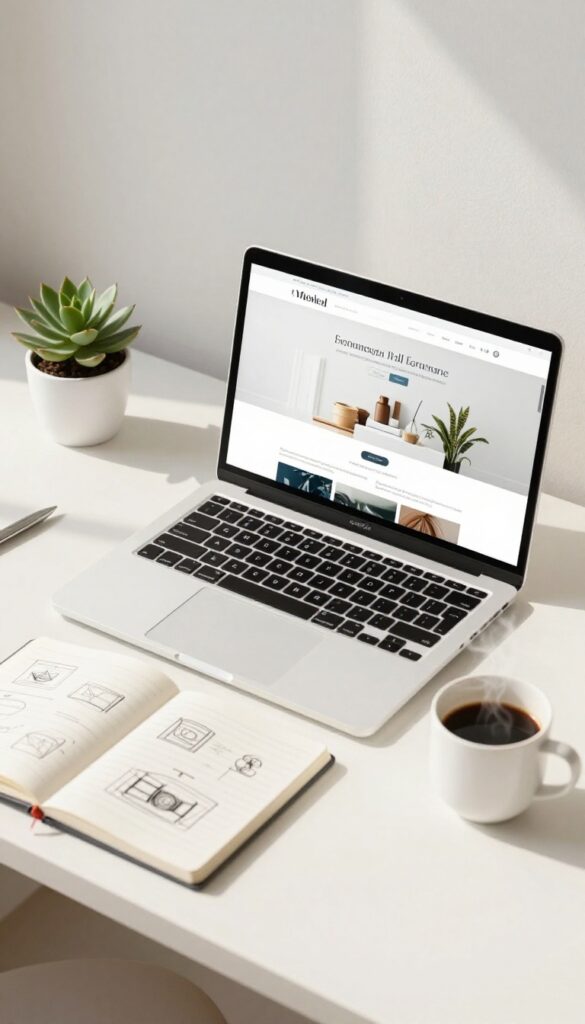
Every local coffee shop, dentist, or yoga studio needs a website. Most of them don't have the time or skills to build one themselves. That's where you come in.
Web design is a classic online business that's still going strong. You don't need to be a coding wizard—many successful designers use drag-and-drop builders like Squarespace or Wix. The key is understanding what a business needs: clear navigation, contact info, and a design that reflects their brand.
Start With A Niche
Instead of trying to design for everyone, pick a specific type of business you enjoy working with. Maybe it's restaurants, real estate agents, or wedding photographers. Specializing makes your marketing easier and your portfolio stronger.
Offer A Simple Package
Many small business owners are intimidated by tech. Offer a straightforward package: a 5-page website, mobile optimization, and basic SEO. Price it as a flat fee or monthly payment to keep things simple.
Show, Don't Just Tell
Build a few sample sites for fake businesses or offer to redesign a friend's site for free. Real examples speak louder than promises. Once you have a portfolio, reach out to local businesses via email or in person.
10. Graphic Design
Graphic design is one of those skills that keeps showing up in almost every industry. Businesses need logos, social media posts, flyers, and presentations, but not everyone has the eye or the tools to create them. If you have a knack for visual communication, this could be a natural fit.
The best part? You don't need to be a Photoshop wizard. Modern tools like Canva and Figma have lowered the barrier to entry, making it possible to produce professional-looking work with minimal experience.
Start small, build a portfolio, and you'll find clients pretty quickly.
Graphic design is a versatile online business idea with low startup costs and high demand. You can specialize in one area or offer a full suite of services. Many designers begin by helping local businesses or freelancers on platforms like Fiverr and Upwork.
What You Can Offer
Logo design is a classic starting point, but you can also create social media templates, business cards, brochures, or even simple website graphics. Niche down if you want—like designing for wedding planners or fitness coaches—to stand out.
Tools Of The Trade
Canva is great for beginners and quick projects. For more control, try Adobe Illustrator or Affinity Designer. A tablet like an iPad with Procreate is handy for hand-drawn elements.
You don't need all of these at once—start with one and upgrade as you grow.
Finding Your First Clients
Start with people you know: local businesses, friends, or even non-profits. Offer a discounted first project in exchange for a testimonial. Build a simple portfolio website or use Behance to showcase your work.
Social media, especially Instagram and LinkedIn, can also bring clients to you.
11. SEO Consulting
Search engine optimization is a skill that businesses are willing to pay good money for. Every website wants to rank higher on Google, but most owners don't know how to make it happen. That's where you come in.
As an SEO consultant, you help sites get found by the right audience, which means more traffic and more customers for them.
SEO consulting is a service-based business you can start with just a laptop and a willingness to learn. You don't need a degree—just a solid understanding of how search engines work and a knack for staying current with algorithm updates. Many consultants start by offering audits or small fixes to local businesses, then build up to ongoing retainers.
What You'll Do
Your main job is to analyze a website's current performance and find ways to improve its search rankings. That includes keyword research, on-page optimization (like meta tags and content structure), technical SEO (site speed, mobile-friendliness), and sometimes link building. You'll also track results using tools like Google Analytics and Search Console.
Who Needs It
Pretty much any business with a website. Local shops, e-commerce stores, bloggers, and service providers all want more organic traffic. Small businesses especially need help because they can't afford big agencies.
You can specialize in a niche like local SEO for restaurants or technical SEO for online stores.
How To Get Started
Start by learning the basics through free resources like Google's SEO Starter Guide or blogs from Moz and Ahrefs. Practice on your own site or a friend's. Then offer free or discounted audits to a few local businesses to build a portfolio.
Once you have results to show, you can start charging for your services. Rates vary, but even beginners can earn $500–$1, 500 per month per client.
12. Email Marketing Services
Email isn't dead—far from it. In fact, it remains one of the highest ROI marketing channels out there. Businesses need help crafting newsletters, welcome sequences, and promotional campaigns that actually get opened and clicked.
If you have a way with words and understand what makes people hit "subscribe, " this could be a solid service to offer.
You don't need to be a tech wizard to start. Many small business owners know they should be emailing their list but have no idea where to begin. That's where you come in.
You can help them set up email platforms like Mailchimp or ConvertKit, write compelling copy, and design simple templates. The key is showing them how email builds relationships and drives sales over time.
What You'll Do
Your main job is to plan and write email sequences that nurture leads, announce new products, or re-engage inactive subscribers. You might also set up automated workflows—like a welcome series that triggers when someone signs up. Some clients will want weekly newsletters; others need one-off campaign support.
You'll also track open rates and click-throughs to refine future emails.
Skills You Need
Strong copywriting is the core skill. You should know how to write subject lines that get opened and body copy that drives action. Basic familiarity with email marketing platforms is helpful, but you can learn as you go.
An understanding of segmentation and A/B testing will set you apart. No coding required—just a good sense of what resonates with an audience.
How To Get Clients
Start with local businesses you already know—a boutique, a gym, a restaurant. Offer to write a sample email or audit their current setup. You can also join small business groups on social media and offer free tips.
Another route is partnering with web designers or social media managers who can refer clients needing email support. Once you have a few case studies, your reputation grows.
13. Online Course Creation

You know that thing you're really good at? Maybe it's a professional skill, a hobby you've mastered, or a problem you've solved over and over. People will pay to learn it.
Online course creation lets you package your knowledge into a structured, sellable product that works for you around the clock.
Platforms like Udemy, Skillshare, and Teachable handle the tech and delivery, so you can focus on teaching. Once your course is live, it can generate income passively for months or years. The upfront work is real, but the payoff is freedom.
Pick A Topic People Actually Want
The best courses solve a specific problem or teach a tangible skill. Think: "How to Edit Photos in Lightroom" not "Photography Basics. " Browse course platforms to see what's popular and where there's room for your unique take.
You don't need to be the world's top expert—just a step ahead of your students.
Keep Production Simple
You don't need a studio or fancy gear. A decent microphone, good lighting, and screen recording software are enough. Record in short chunks—5 to 10 minutes per video—so students can digest easily.
Edit out mistakes and add simple slides to reinforce key points.
Price And Promote Smartly
On Udemy, courses often sell for $10–$50, while on Teachable you can charge $100–$500. Start with a lower price to build reviews, then raise it. Promote through your email list, social media, or by offering a free mini-course as a lead magnet.
14. Podcast Production
Podcasts are booming, but most hosts quickly realize that recording is the easy part. Editing out ums, tightening pacing, writing show notes, and managing episode schedules take serious time. That’s where you come in.
As a podcast producer, you handle the messy technical work so creators can focus on being creative.
You don’t need a radio background to start. Basic audio editing skills and a good ear for flow are enough to land your first client. Many podcasters are solo operators who’d rather pay someone $50–$150 per episode than spend hours in Audacity themselves.
What You’ll Actually Do
Your main job is editing raw recordings into polished episodes. That means cutting dead air, removing mistakes, balancing volume levels, and adding intro/outro music. You’ll also write show notes with timestamps and key takeaways, upload episodes to hosting platforms, and sometimes schedule social media posts.
Some clients want full-service production including guest coordination and episode planning.
Skills That Set You Apart
Speed and consistency matter more than fancy effects. Learn to edit cleanly in under two hours per episode. Being reliable with deadlines is a huge selling point.
Bonus skills: basic audio restoration (removing background noise), understanding RSS feeds, and knowing how to optimize audio for different platforms like Apple Podcasts and Spotify.
How To Find Your First Clients
Start with small, local podcasts or hobby shows that sound rough. Offer to edit one episode for free in exchange for a testimonial. Join podcasting Facebook groups and Reddit communities where creators often ask for help.
You can also pitch to businesses that already have a podcast but post infrequently—they likely need a producer to keep them on schedule.
15. Transcription Services
Turning spoken words into written text might sound simple, but it's a skill that saves professionals hours of tedious work. Lawyers need accurate transcripts of depositions, journalists want clean interview notes, and content creators often prefer to speak their ideas rather than type them. That's where you come in.
Transcription doesn't require a fancy degree—just good listening skills, fast typing, and attention to detail. You can start with general transcription and later specialize in fields like medical or legal transcription, which pay more. It's a flexible online business you can run from anywhere with a reliable internet connection.
Transcription work is straightforward: you receive an audio or video file, listen carefully, and type what you hear. Accuracy and turnaround time matter most to clients. Many transcriptionists use foot pedals to control playback and software that helps with timestamps and speaker labels.
You can find work on platforms like Rev, TranscribeMe, or by pitching directly to local businesses and professionals.
What You'll Need To Start
A good pair of headphones, a quiet workspace, and a computer with a word processor are the basics. Typing speed of at least 60 words per minute helps, and accuracy is more important than speed. You don't need expensive software—free tools like Express Scribe work well for beginners.
How To Find Clients
Start on transcription marketplaces to build experience and samples. Once you have a portfolio, reach out to law firms, podcasters, university researchers, and YouTube creators. Many small businesses and solo professionals prefer working with a reliable freelancer over big agencies.
Scaling Your Transcription Business
As demand grows, you can hire other transcriptionists and take on larger projects. Specializing in a niche like medical or legal transcription can command higher rates. Offering additional services like proofreading or captioning can also boost your income.
16. Bookkeeping for Small Businesses
Every freelancer and small business owner needs to track their money, but most would rather focus on their actual work. That's where you come in. Basic bookkeeping doesn't require a CPA license—just organization, attention to detail, and a willingness to learn the tools.
It's a low-cost online business with steady demand.
You can start with just a laptop and accounting software like QuickBooks or Xero. Many clients will hand over their receipts and bank statements, and you simply categorize transactions, reconcile accounts, and generate reports. As you gain experience, you can offer monthly packages or hourly rates.
The best part? You work remotely and set your own schedule.
Who Needs This Service?
Freelancers, solopreneurs, and very small teams are your sweet spot. They often can't afford a full-time accountant but still need clean books for taxes and business decisions. Niche down further—offer bookkeeping for real estate agents, Etsy sellers, or local service providers.
Tools To Learn
Master one or two popular platforms. QuickBooks Online is the industry standard, but Xero and Wave are also widely used. Learn how to import transactions, reconcile bank accounts, and run profit-and-loss statements.
Many offer free certifications to build credibility.
How To Get Your First Clients
Start with your network. Offer a free month to a local freelancer in exchange for a testimonial. Join small business Facebook groups and answer bookkeeping questions.
You can also list your services on platforms like Upwork or Thumbtack.
17. Niche Ecommerce Store

Selling everything to everyone is a recipe for burnout. A niche store lets you focus on a specific category—like eco-friendly home goods, vegan skincare, or quirky pet accessories—and become the go-to shop for that audience. Passionate buyers are easier to reach, more likely to convert, and often become repeat customers.
The beauty of a niche store is that you don't need a massive inventory. Start with a handful of well-chosen products that solve a problem or delight a specific group. Use platforms like Shopify or WooCommerce to set up quickly, and lean into social media communities where your target audience hangs out.
Find Your Micro-niche
Instead of 'pet supplies, ' think 'organic dog treats for allergies. ' Narrow it down until you can describe your ideal customer in one sentence. Research forums, Facebook groups, and Reddit threads to see what people are asking for but struggling to find.
Source Smartly
You can create your own products, partner with small makers, or use print-on-demand for custom designs. For physical goods, consider dropshipping from reliable suppliers—but always order samples first to check quality. Transparency about sourcing builds trust.
Market To A Community
Your audience is already talking online. Join their conversations without hard-selling. Share tips, behind-the-scenes content, and user-generated photos.
Run targeted ads on Instagram or Pinterest, where visual products shine. Email newsletters work wonders for niche brands—keep subscribers updated on new arrivals and exclusive deals.
18. Copywriting
Words can be powerful revenue drivers. Copywriting is the art of crafting persuasive text that nudges people to take action—whether that's clicking a button, buying a product, or signing up for a newsletter. Businesses know that good copy directly impacts their bottom line, which is why skilled copywriters are always in demand.
As a copywriter, you'll write for ads, sales pages, emails, landing pages, and more. You don't need a degree in English—just a knack for understanding what makes people tick and the ability to write clearly and persuasively. Many copywriters start by offering services on freelance platforms or reaching out to local businesses.
What You'll Actually Do
Your day-to-day might involve writing product descriptions for an e‑commerce site, crafting email sequences for a launch, or developing ad copy for social media campaigns. You'll often collaborate with marketers and designers to ensure the words match the brand's voice and goals.
Skills That Set You Apart
Beyond writing, you'll need research skills to understand the target audience and the product. Empathy helps you connect with readers, and basic SEO knowledge makes your copy more discoverable. A portfolio of samples—even for made-up brands—can land your first clients.
How To Get Started
Start by studying good copy: swipe files from successful campaigns, practice rewriting weak ads, and take free or low‑cost courses from sites like Copyblogger or Coursera. Then offer to write for a friend's business or volunteer for a nonprofit to build samples. Once you have a few pieces, start pitching to small businesses on platforms like Upwork or LinkedIn.
19. Resume Writing
A single resume can make or break a job application. Many talented professionals struggle to articulate their experience in a way that catches a recruiter's eye. That's where you come in.
By offering resume writing services, you help job seekers present their best selves on paper.
Resume writing is more than just formatting bullet points. It's about storytelling, highlighting achievements, and tailoring content to specific industries. You can work with clients one-on-one, offer packages with cover letters and LinkedIn optimization, or specialize in fields like tech, healthcare, or executive roles.
Why It Works
The job market is competitive, and a generic resume often gets ignored. People are willing to invest in a professionally written resume to stand out. Plus, you don't need a certification to start—just strong writing skills and an eye for what employers want.
Getting Started
Begin by polishing your own resume and offering free or discounted services to friends or local nonprofits to build a portfolio. Create a simple website or profile on freelance platforms. As you gain experience, you can raise your rates and attract higher-paying clients.
Scaling Up
Once you have a steady flow of clients, consider hiring other writers or creating digital products like resume templates and e-books. You can also offer add-on services like interview coaching or career consulting to increase your income per client.
20. Online Fitness Coaching
The fitness industry has gone digital, and clients are now looking for coaches who can guide them from anywhere. Whether you're a certified personal trainer or a nutrition specialist, you can build a thriving business by offering personalized plans through video calls and apps. No need for a gym—just a webcam and a solid understanding of how to help people move and eat better.
Get Certified And Specialize
You don't need a degree, but a recognized certification (like NASM, ACE, or ISSA) builds trust. Pick a niche—weight loss, strength training, yoga, or postnatal fitness—to stand out. Specializing makes marketing easier and attracts clients looking for exactly what you offer.
Choose Your Delivery Platform
Use Zoom, FaceTime, or dedicated coaching apps like Trainerize or TrueCoach to deliver workouts and track progress. Pre-recorded video libraries work well for passive income, while live sessions create accountability. Decide on a mix that fits your style.
Package And Price Your Services
Start with one-on-one coaching at a monthly rate, then add group challenges or nutrition add-ons. Many coaches charge $100–$300 per month per client. Offer a free discovery call to show your value and convert leads.
21. App or Website Testing

Before any app or website goes live, developers need real people to poke around and find what's broken. That's where you come in. Companies pay testers to explore their digital products, report bugs, and share honest feedback on usability.
It's a low-barrier way to earn money from home, and you don't need coding skills to get started.
What You'll Actually Do
You'll receive a test scenario or a set of tasks to complete on a site or app. As you go, you'll note any glitches, confusing layouts, or features that don't work as expected. Most tests are recorded via screen-sharing software, and you'll speak your thoughts aloud.
The whole session usually lasts 15 to 45 minutes.
How Much You Can Make
Pay varies by platform and test complexity. Expect around $5 to $15 for a short unmoderated test, and $30 to $60 for a live moderated session. Some testers earn a few hundred dollars a month part-time.
It's not a full-time income on its own, but it's a solid side hustle.
Getting Started
Sign up on testing platforms like UserTesting, Userlytics, or TryMyUI. You'll usually need to complete a sample test to get approved. Once in, you can pick tests that fit your schedule.
A reliable internet connection and a clear speaking voice help. Build a good rating by being thorough and honest, and more test invites will come.
FAQ
Which online business idea is easiest to start?
Freelance writing or virtual assisting require little to no upfront cost. If you have basic skills, you can start landing clients quickly.
How much money can I make with these ideas?
Income varies widely. Some people earn a few hundred dollars a month, while others scale to six figures. It depends on effort and niche.
Do I need a website to start?
Not always. You can use platforms like Upwork, Fiverr, or Etsy to get started. A website helps build credibility later.
How do I choose the right idea for me?
Consider your skills, interests, and available time. Pick something you enjoy and that has market demand. Test one idea before jumping to another.
Can I run these businesses part-time?
Absolutely. Many of these ideas are flexible and can be done alongside a full-time job. Start small and scale as you grow.
Conclusion
The best small business idea is the one you actually launch. Pick one from this list that matches your skills and schedule, then test it for 30 days.
Real income comes from consistent action, not endless research. Your first sale is closer than you think—take that step today.
Free PDF Download
Not Sure Which Side Hustle Fits You Best?
Take the free Side Hustle Matchmaker Quiz and get a simple 7-day starter plan to help you choose a beginner-friendly idea based on your time, skills, comfort level, and goals.
You’ll get this free PDF plus access to the full Marketerna Save More & Earn More PDF Kit. No spam. Unsubscribe anytime.