15 Online Money Habits to Build Early
You work hard for your money, but does your money work for you? Most people learn financial habits the hard way—by making mistakes. The good news is that building smart money habits early is easier than you think.
This list covers 15 online habits that will set you up for financial success. No boring lectures, just practical steps you can start today.
From automating savings to avoiding lifestyle inflation, each habit is a small change that adds up over time. Pick one or two to start, and watch your financial confidence grow.

Free PDF Download
Not Sure Which Side Hustle Fits You Best?
Take the free Side Hustle Matchmaker Quiz and get a simple 7-day starter plan to help you choose a beginner-friendly idea based on your time, skills, comfort level, and goals.
You’ll get this free PDF plus access to the full Marketerna Save More & Earn More PDF Kit. No spam. Unsubscribe anytime.
1. Automate Your Savings
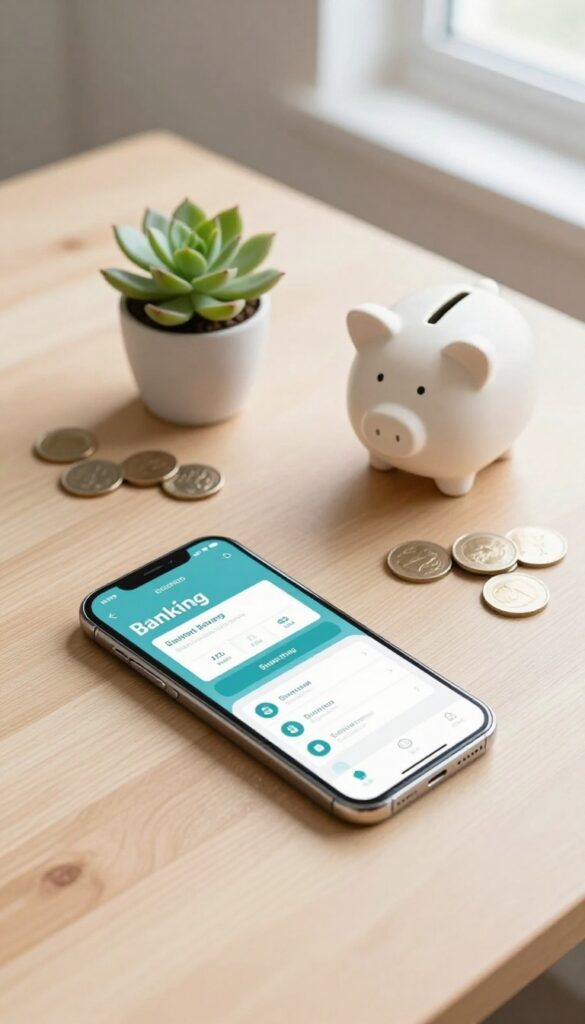
Saving money shouldn't feel like a chore. The easiest way to build wealth is to make it happen automatically. When you set up automatic transfers, your savings grow without you even thinking about it.
This habit removes the temptation to spend first and save later.
Automation is the secret weapon of smart savers. By moving money to a separate account before you see it in your checking, you're paying yourself first. Over time, those small, regular deposits add up to a serious nest egg—without any willpower required.
Pick The Right Accounts
Link your checking account to a high-yield savings account or an investment account. Look for no-fee options that let you set up recurring transfers. Even $25 a week can turn into over $1, 300 in a year with interest.
Schedule It Right
Set your transfer for the same day you get paid. That way, the money is gone before you have a chance to miss it. Most banks let you choose weekly, biweekly, or monthly transfers—pick what matches your paycheck rhythm.
Start Small And Increase Gradually
If you're new to saving, start with an amount that feels painless—like 1% of your income. Then bump it up by 1% every few months. Before you know it, you'll be saving 10% or more without feeling squeezed.
2. Track Every Dollar with an App
You can't fix what you don't measure. That's especially true with money. A budgeting app puts your finances in plain sight, so you know exactly where your cash is going.
No more guessing at the end of the month.
Start by linking your bank accounts and credit cards to an app like Mint or YNAB. It automatically categorizes your spending, so you can see patterns at a glance. The goal isn't perfection—it's awareness.
Once you see that daily coffee run adding up, you can decide if it's worth it.
Choose The Right App
Not all budgeting apps are the same. Mint is great for a hands-off overview, while YNAB (You Need A Budget) forces you to assign every dollar a job. Try a couple for free and stick with the one that feels natural.
Review Weekly, Not Daily
Checking your budget every day can be exhausting. Instead, set aside 10 minutes each Sunday to review your spending. Look for surprises and adjust your categories.
This habit keeps you in control without the stress.
Use Alerts To Stay On Track
Most apps let you set alerts when you're close to a budget limit. Turn them on. A gentle nudge when you've spent 80% of your dining-out budget is way better than finding out you're over after the fact.
Free PDF Download
Not Sure Which Side Hustle Fits You Best?
Take the free Side Hustle Matchmaker Quiz and get a simple 7-day starter plan to help you choose a beginner-friendly idea based on your time, skills, comfort level, and goals.
You’ll get this free PDF plus access to the full Marketerna Save More & Earn More PDF Kit. No spam. Unsubscribe anytime.
3. Invest in Low-Cost Index Funds
Investing can feel intimidating, but it doesn't have to be. Low-cost index funds are one of the simplest ways to grow your money over time. They track the market, require minimal effort, and keep fees low—so more of your returns stay in your pocket.
Index funds let you own a slice of hundreds of companies at once, spreading out risk. By starting small, you can build a habit of investing regularly without needing to be an expert. The key is consistency, not timing the market.
Why Index Funds Work
Instead of trying to pick winning stocks, index funds mirror the performance of a market index like the S&P 500. Historically, the market has trended upward over long periods. With low fees (expense ratios under 0.
10%), you keep almost all of your returns.
How To Start With Little Money
Many brokers let you buy fractional shares, so you can invest as little as $5 or $10. Set up automatic transfers from your checking account to your investment account each month. Even small amounts add up thanks to compound growth.
Stick With It, Don't Panic
Markets go up and down, but selling during a dip locks in losses. Stay invested and keep contributing regularly. This approach—dollar-cost averaging—helps you buy more shares when prices are low and fewer when they're high.
4. Use Cashback and Rewards Apps
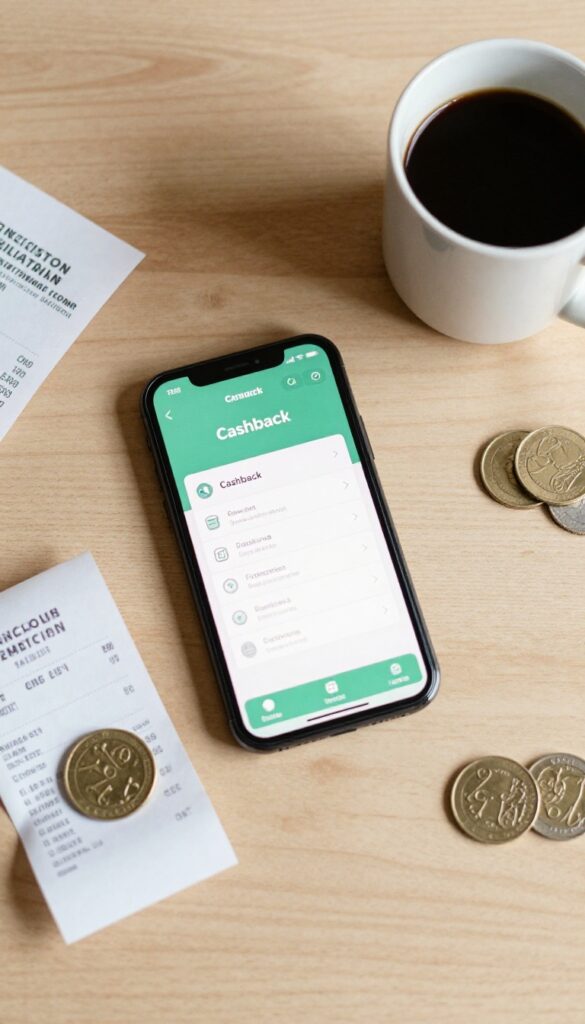
Getting paid to shop sounds too good to be true, but cashback apps make it real. These free tools give you a percentage of your purchase back on everyday items like groceries, toiletries, and even gas. Over a year, that spare change adds up to real money.
Apps like Rakuten and Fetch Rewards partner with thousands of stores. You just shop through their link or scan your receipt, and they send you a check or gift card. No extra effort, no hidden fees.
It's literally free money for things you already buy.
How Cashback Apps Work
Sign up for free, then browse offers or shop normally. For Rakuten, click through their portal before checking out online. For Fetch, snap a photo of any receipt—even from stores not listed—and earn points.
Points convert to cash or gift cards once you hit a low threshold.
Best Apps To Start With
Rakuten is great for online shopping with up to 15% back at major retailers. Fetch Rewards works for groceries and drugstores. Ibotta offers cash back on specific items plus bonuses.
Stack them: use Rakuten for the purchase and Fetch for the receipt.
Pro Tips To Maximize Rewards
Always check apps before buying anything. Combine with credit card rewards for double dipping. Set a monthly reminder to redeem points—they can expire.
Avoid buying stuff just for the cashback; stick to what you need.
Free PDF Download
Not Sure Which Side Hustle Fits You Best?
Take the free Side Hustle Matchmaker Quiz and get a simple 7-day starter plan to help you choose a beginner-friendly idea based on your time, skills, comfort level, and goals.
You’ll get this free PDF plus access to the full Marketerna Save More & Earn More PDF Kit. No spam. Unsubscribe anytime.
5. Learn a High-Income Skill Online
Traditional advice says get a degree and climb the corporate ladder. But the internet has flipped that script. You can now learn skills that pay well without spending years in school.
Platforms like Coursera, Udemy, and even YouTube offer courses in coding, design, digital marketing, and more. These skills are in high demand and can dramatically increase your earning potential.
The best part? You don't need to quit your job or take on debt. Many courses are affordable or free, and you can learn at your own pace.
Start with one skill that interests you and fits the market. Even a few months of focused learning can open doors to freelancing, side hustles, or a higher-paying job.
Pick A Skill With Real Demand
Not all skills are created equal. Look for ones that solve problems businesses are willing to pay for. Web development, copywriting, video editing, and data analysis are solid bets.
Check job boards or freelance sites to see what's trending. Choose something you enjoy—you'll stick with it longer.
Use Free Resources First
You don't have to spend a dime to start. YouTube tutorials, free coding bootcamps, and library resources can get you far. Once you're sure you like the skill, invest in a structured course for deeper knowledge.
This way, you minimize risk while maximizing learning.
Build A Portfolio As You Learn
Theory is useless without practice. Create projects, even small ones, to showcase your new skill. A simple website, a sample marketing plan, or a few design mockups can prove your ability.
Share them on LinkedIn or a personal site. Real work speaks louder than certificates.
6. Start a Side Hustle
Your 9-to-5 isn't the only way to make money. A side hustle can turn something you already enjoy into extra income. Whether it's freelancing, selling products, or gig work, even a few hours a week can make a difference over time.
Find Your Hustle
Look at your skills and hobbies. Can you write, design, or code? Offer those services on platforms like Upwork or Fiverr.
If you're crafty, sell on Etsy. Love driving? Try Uber or DoorDash.
The key is to pick something that doesn't feel like a chore.
Start Small, Scale Later
Don't quit your day job yet. Begin with a few hours per week. Use that time to test the waters and build a client base.
As you gain confidence and income, you can decide whether to grow it into something bigger.
Track Your Earnings And Expenses
A side hustle means extra taxes. Keep separate accounts for your side income and expenses. Use apps like QuickBooks or a simple spreadsheet.
Knowing your net profit helps you see if the hustle is worth the time.
7. Build an Emergency Fund
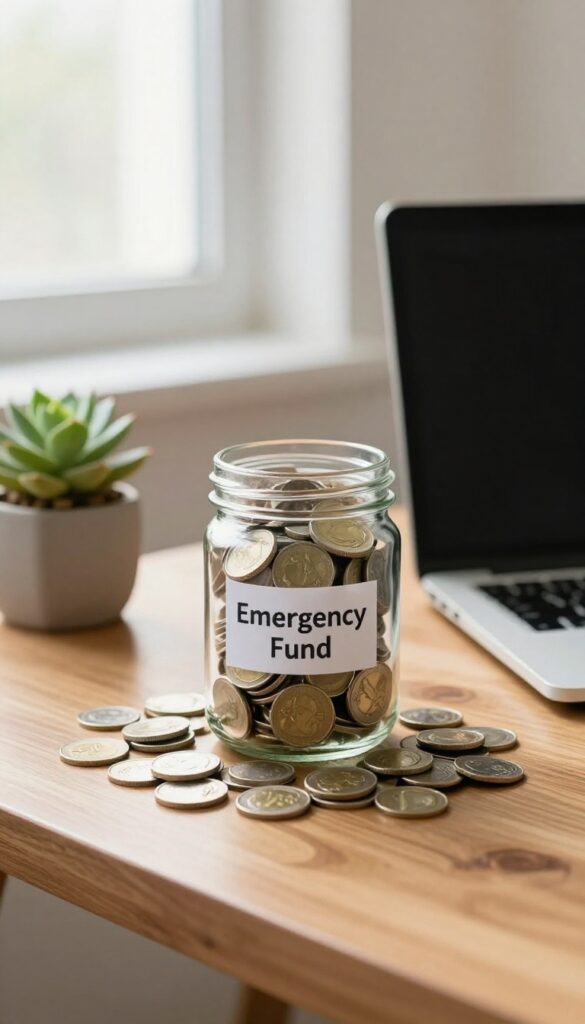
Life has a way of throwing curveballs when you least expect them. A car repair, a medical bill, or a sudden job loss can derail your finances fast. An emergency fund is your financial shock absorber—it keeps those surprises from turning into crises.
Aim to save three to six months' worth of essential expenses. That might sound like a lot, but you can build it gradually. Start with a small goal, like $500, then work your way up.
The key is to keep this money separate from your everyday checking account so you're not tempted to dip into it.
Where To Keep It
Park your emergency fund in a high-yield savings account. These accounts offer much better interest rates than traditional savings, so your money actually grows while it sits. Look for accounts with no monthly fees and easy access when you need it.
How To Build It Fast
Set up an automatic transfer from your checking to your emergency savings every payday. Even $50 a week adds up to $2, 600 in a year. You can also funnel windfalls like tax refunds, bonuses, or cash gifts straight into the fund.
When To Use It
Your emergency fund is for true emergencies only—unexpected expenses that threaten your financial stability. A vacation or a new gadget doesn't count. Define what qualifies as an emergency so you don't drain the fund unnecessarily.
8. Negotiate Bills and Subscriptions
Most people set their bills and forget them. But prices change, competitors offer better deals, and you might be paying for services you barely use. A quick phone call or email can free up cash without sacrificing anything important.
Small savings add up fast. Knocking $20 off your internet bill and canceling two unused subscriptions saves you $50+ a month—that's $600 a year. Over a decade, that's thousands of dollars you can invest or spend on things that matter.
Start With Your Recurring Charges
Pull up your bank or credit card statements and highlight every recurring charge. Streaming services, gym memberships, insurance, phone plans, software subscriptions—if you haven't used it in the last 30 days, cancel it. For services you still need, check if you're on an old plan that's more expensive than current offers.
Call And Ask For A Better Rate
Companies expect you to negotiate. Call your internet, phone, or insurance provider and say something like, 'I'm looking at my bill and wondering if there are any promotions or discounts available. ' Be polite but firm. If they say no, ask to speak to the retention department.
Often, they'll lower your rate rather than lose you as a customer.
Use Apps That Do The Work For You
If calling feels awkward, try apps like Rocket Money, Trim, or Billshark. They analyze your subscriptions, cancel unwanted ones, and even negotiate bills on your behalf. Most take a small cut of the savings, but you still come out ahead with zero effort.
9. Use Credit Cards Wisely

Credit cards are powerful tools, but they can also be a trap if you’re not careful. The key is to treat them like a debit card—spend only what you can pay off that month. Used right, they build your credit score and earn rewards without costing you a dime in interest.
Pay off your balance in full each month to avoid interest. Use cards with rewards but never carry debt.
The Golden Rule: Pay In Full
Always pay your statement balance by the due date. This way you never pay a cent in interest. Set up autopay for the full amount to avoid late fees and keep your credit score healthy.
Choose Rewards That Fit Your Life
Pick a card that matches your spending. If you travel often, go for travel rewards. If you spend a lot on groceries and gas, a cashback card might be better.
Just don’t let the rewards tempt you into spending more than usual.
Avoid The Minimum Payment Trap
Paying only the minimum keeps you in debt for years and racks up huge interest. If you ever can’t pay in full, pause using the card until you’re back on track. Carrying a balance defeats the purpose of rewards.
10. Create Multiple Income Streams
Relying on a single paycheck is risky. If that income source dries up, you're left scrambling. Building multiple income streams gives you a financial safety net and accelerates your wealth-building.
The goal is to have a mix of active income (where you trade time for money) and passive income (where money works for you).
Start by auditing your skills and interests. Can you freelance, consult, or teach online? That's active income.
Then look into passive options like affiliate marketing, digital products, or dividend stocks. Even small streams add up over time. The key is to diversify without spreading yourself too thin.
Start With A Side Hustle
Your first extra stream doesn't need to be complicated. Pick something you're good at—writing, designing, coding, or even dog walking. Platforms like Upwork, Fiverr, or TaskRabbit make it easy to find gigs.
Dedicate a few hours per week, and reinvest the earnings into building passive income.
Build Passive Income Gradually
Passive income takes upfront effort but pays off long-term. Consider creating an online course, writing an ebook, or starting a niche blog. Once set up, these assets can generate revenue with minimal maintenance.
Dividend stocks and REITs are also solid options for hands-off income.
Automate And Scale
As your streams grow, automate what you can. Use tools like Zapier to connect platforms, schedule social media posts, or set up automatic transfers to investment accounts. Scaling means focusing on what works and dropping what doesn't.
Track your income sources monthly to see which ones deserve more attention.
11. Invest in Yourself
The best investment you can make is in yourself. Spending money on courses, books, or tools that sharpen your skills can pay off far more than any stock or savings account. Personal development compounds over time, opening doors to better jobs, side hustles, and higher earnings.
Courses That Pay For Themselves
Not all courses are worth it, but the right ones can boost your income fast. Look for skills in high demand—like coding, digital marketing, or data analysis. Platforms like Coursera, Udemy, and LinkedIn Learning often have affordable options.
Even a $50 course can lead to a $5, 000 raise.
Books: The Cheapest Mentors
A good book costs less than a dinner out but can change your financial mindset. Read about personal finance, entrepreneurship, or communication. Apply one or two ideas from each book, and you'll see real results.
Start with classics like "Rich Dad Poor Dad" or "The 4-Hour Workweek. "
Tools That Save Time And Money
Invest in tools that automate or improve your work. A budgeting app, a project management tool, or a grammar checker can save hours each week. Time is money, so spending a little on efficiency tools is a smart trade-off.
Try free trials first, then commit to what works.
12. Avoid Lifestyle Inflation

Getting a raise or landing a higher-paying job feels amazing. The temptation to upgrade your lifestyle—new car, bigger apartment, fancier dinners—is real. But if you let your spending rise with your income, you'll never build real wealth.
The key is to save the difference instead.
What Is Lifestyle Inflation?
It's the gradual creep of spending as your income grows. You start with a modest car, then upgrade. You order takeout more often.
Before you know it, your expenses have eaten up your raise, and you're no better off than before.
How To Stop It
Automate your savings. When you get a raise, immediately increase your automatic transfers to savings or investment accounts. Treat the extra money as if it never existed.
Keep your current lifestyle for at least six months after a raise.
The Pay-yourself-first Rule
Decide on a savings rate—say, 20% of your income. When your income goes up, save half of the increase. You still get to enjoy a little more, but you're building wealth faster.
Small sacrifices now lead to big freedom later.
13. Use Tax-Advantaged Accounts
Taxes can take a big bite out of your earnings, but you have options to keep more of what you make. Tax-advantaged accounts like 401(k)s, IRAs, and HSAs let your money grow tax-free or tax-deferred. The earlier you start using them, the more time your savings have to compound.
Maxing out contributions to these accounts is one of the smartest money moves you can make. Not only do you save on taxes now, but your investments grow faster because they're sheltered from annual taxes. Over time, the difference can be huge.
401(k) And Ira Basics
A 401(k) is offered by many employers, often with a match—free money. Aim to contribute at least enough to get the full match. An IRA (Traditional or Roth) gives you more control.
Traditional accounts give you a tax break now, while Roth accounts let you withdraw tax-free in retirement.
The Hsa Triple Tax Advantage
Health Savings Accounts (HSAs) are often overlooked, but they're incredibly powerful. Contributions are tax-deductible, growth is tax-free, and withdrawals for qualified medical expenses are tax-free. If you have a high-deductible health plan, max out your HSA before other accounts.
Start Small, Increase Over Time
You don't have to max everything out right away. Start with a percentage you can handle, then bump it up each year or after a raise. Even small contributions add up thanks to compound growth.
Set up automatic contributions so you never miss the money.
14. Network with Financially Savvy People
You've heard that you're the average of the five people you spend the most time with. That applies to money too. If your current circle isn't into budgeting or investing, it's time to find new virtual friends.
Online communities can be a goldmine of real-world advice, accountability, and inspiration.
Surrounding yourself with people who think differently about money can shift your own mindset faster than any book or course. You'll pick up tips, avoid common pitfalls, and stay motivated when the going gets tough.
Where To Find Your Money Tribe
Look for active forums like r/personalfinance, r/financialindependence, or niche Facebook groups focused on your goals (paying off debt, investing, side hustles). Twitter and Reddit are great for real-time discussions. Start by lurking, then jump in with questions.
What To Look For In A Community
Seek groups that are supportive, fact-based, and free of get-rich-quick hype. Good communities encourage smart habits like budgeting, saving, and long-term investing. They celebrate small wins and offer constructive feedback.
How To Engage Without Feeling Awkward
You don't need to be an expert. Share your goals, ask for advice, and comment on others' posts. The more you give, the more you get.
Over time, you'll build relationships and even find mentors who've been where you are.
15. Review Your Finances Monthly

Life gets busy, and it's easy to set your finances on autopilot and forget about them. But a monthly check-in is like a tune-up for your money. It only takes 30 minutes, and it keeps you from drifting off course.
Set a recurring calendar reminder for the last Sunday of each month. During that time, open your budgeting app, check your spending against your plan, and see how your investments are doing. This isn't about stressing over every penny—it's about staying aware and making small adjustments before small issues become big problems.
What To Review
Start with your budget: did you overspend anywhere? Look at your savings progress and any debt balances. Then check your investment accounts—just a quick glance at performance and contributions.
Finally, review your upcoming bills and any subscriptions you might have forgotten.
Why It Works
Monthly reviews turn abstract goals into concrete actions. They help you catch mistakes early, like a forgotten subscription or an overspend on dining out. Over time, this habit builds financial confidence because you always know where you stand.
Make It Easy
Use a simple checklist or a template in your notes app. Pair the review with something you enjoy, like a cup of coffee or a favorite playlist. The easier you make it, the more likely you'll stick with it.
FAQ
How much money do I need to start building online money habits?
You can start with as little as $5. Many habits, like tracking expenses or learning a skill, cost nothing.
What is the most important online money habit?
Automating your savings is often the most impactful because it ensures consistency without relying on willpower.
Can I really make money online without any experience?
Yes. Start with free resources to learn a skill, then offer services on platforms like Fiverr or Upwork.
How long until I see results from these habits?
Some habits, like using cashback apps, give immediate results. Others, like investing, compound over years.
Should I focus on saving or investing first?
Build an emergency fund first, then invest. Having a safety net prevents you from selling investments at a loss.
Conclusion
Building smart money habits early is like planting seeds for a wealthy future. Start with just one or two habits from this list and practice them daily.
Over time, these small actions will compound into financial freedom.
Free PDF Download
Not Sure Which Side Hustle Fits You Best?
Take the free Side Hustle Matchmaker Quiz and get a simple 7-day starter plan to help you choose a beginner-friendly idea based on your time, skills, comfort level, and goals.
You’ll get this free PDF plus access to the full Marketerna Save More & Earn More PDF Kit. No spam. Unsubscribe anytime.