
19 Ways to Save Money Fast Without Extreme Sacrifice
Sometimes you need to save money quickly—maybe for an unexpected expense or a goal you're chasing. But drastic cuts like canceling all subscriptions or eating only rice and beans aren't sustainable or enjoyable. The good news is you can build a decent savings buffer without feeling like you're punishing yourself.
These 19 strategies focus on small, painless changes that add up fast. They're about working smarter, not harder, with your money. No extreme frugality required.
Pick a few that fit your lifestyle and watch your savings grow. Even small shifts can make a big difference when you need cash in a hurry.

Free PDF Download
Not Sure Which Side Hustle Fits You Best?
Take the free Side Hustle Matchmaker Quiz and get a simple 7-day starter plan to help you choose a beginner-friendly idea based on your time, skills, comfort level, and goals.
You’ll get this free PDF plus access to the full Marketerna Save More & Earn More PDF Kit. No spam. Unsubscribe anytime.
1. Audit Your Subscriptions
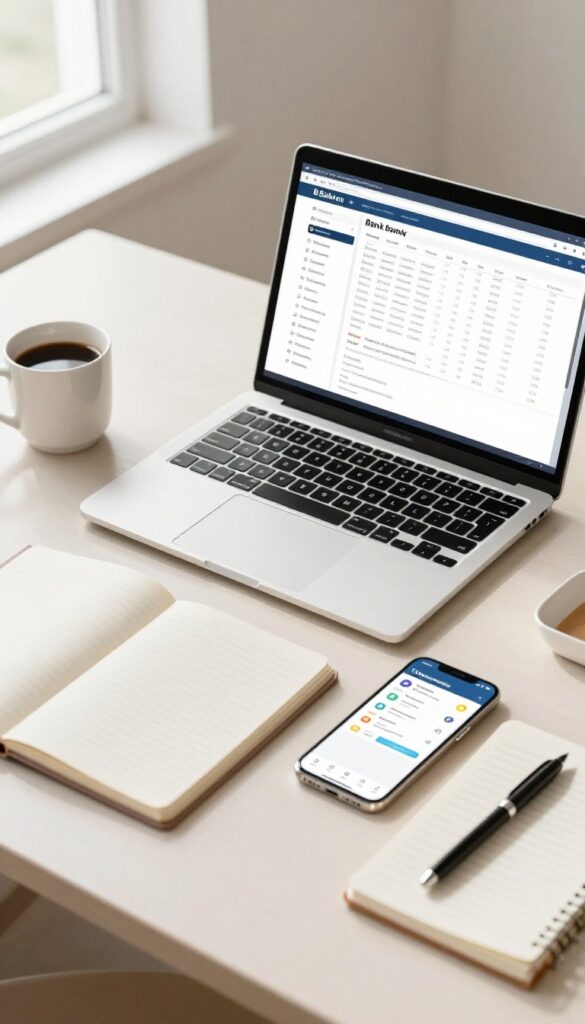
You might be surprised how many small charges hit your account each month for services you barely use. Streaming platforms, app memberships, gym fees, and even old software subscriptions can quietly drain your wallet. A quick review takes less than an hour and can free up $50–$100 monthly without changing your lifestyle.
Start by pulling your last three bank or credit card statements. Highlight every recurring charge, then ask yourself: Do I use this at least once a week? Would I miss it if it were gone?
Cancel anything that doesn't pass that test. Many services let you pause instead of cancel if you're unsure.
Where To Look First
Check for overlapping services like multiple streaming platforms or duplicate cloud storage. Also watch for free trials that converted to paid subscriptions without you noticing. Apps like Rocket Money or Trim can scan your accounts automatically.
How To Cancel Without Hassle
Most subscriptions can be canceled online in a few clicks. For stubborn ones, call your bank and request a stop payment. Some companies offer retention deals—if you call to cancel, they might give you a discount to stay.
What To Do With The Savings
Redirect the money you free up straight into savings. Set up an automatic transfer for the exact amount you saved, so you never see it in your checking account. That way, the extra cash builds up without effort.
2. Negotiate Your Bills
You might not realize how much wiggle room you have with monthly bills. Internet, cable, phone, insurance—many providers offer hidden discounts or loyalty rates that they won't tell you about unless you ask. A single 10-minute phone call can drop your bill by 10–20% with zero sacrifice.
Start by gathering your current bills and any competitor offers you've seen. Call your provider and politely ask if there's a better rate or promotion available. Mention that you're considering switching to a competitor if they can't lower the price.
Often, they'll match or beat the offer to keep you. Even if they say no, you can call back later or try a different department.
What To Say On The Call
Keep it simple and friendly. Say something like, 'I've been a loyal customer for X years and love your service, but my bill has gone up. I saw a competitor offering Y price.
Can you help me get a better rate? ' Be polite but firm. If the first rep can't help, ask to speak to the retention or loyalty department.
Which Bills To Target First
Start with internet and cable—these have the most competition and the biggest discounts. Then move to phone plans, insurance (car, renters, health), and even subscription services like streaming or gym memberships. Many companies have unadvertised retention offers that can save you $10–$50 per month each.
How Often To Renegotiate
Set a reminder every 6–12 months to renegotiate. Prices often creep up after promotional periods end. By making it a regular habit, you keep your bills low without effort.
Some people save hundreds per year just by scheduling a few short calls.
Free PDF Download
Not Sure Which Side Hustle Fits You Best?
Take the free Side Hustle Matchmaker Quiz and get a simple 7-day starter plan to help you choose a beginner-friendly idea based on your time, skills, comfort level, and goals.
You’ll get this free PDF plus access to the full Marketerna Save More & Earn More PDF Kit. No spam. Unsubscribe anytime.
3. Cook One Extra Meal at Home Per Week
Takeout is convenient, but it adds up fast. Swapping just one restaurant meal a week for a home-cooked version can save a surprising amount over time. Even a simple pasta dish or stir-fry costs a fraction of what you'd pay for delivery.
For a family of four, that one swap can put $40 to $60 back in your pocket each month.
Start small. Pick one meal you usually order out—maybe Friday night pizza or a lunchtime burrito—and make it at home instead. You don't need to be a gourmet chef.
A box of pasta, jar of sauce, and some ground meat or veggies can feed four people for under $10. Compare that to $40 or more for delivery, and the savings are obvious. Batch cooking helps.
Make extra and freeze portions for busy nights. That way, you're not tempted to order in when you're tired. Over a month, that one extra home-cooked meal per week adds up to real savings without feeling like a sacrifice.
Start With Your Most Frequent Takeout Habit
Look at your recent delivery history or bank statements. Pick the meal you order most often—maybe Tuesday tacos or Saturday sandwiches. That's your target.
Recreating it at home is easier than you think, and you can customize it to your taste.
Make It A Family Or Roommate Activity
Cooking together can be fun. Get everyone involved in choosing the recipe and prepping ingredients. It turns a chore into quality time, and you'll all feel good about the money saved.
Use Leftovers Strategically
Cook a little extra on purpose. Leftovers can become lunch the next day or another quick dinner later in the week. This stretches your grocery budget even further and reduces food waste.
4. Use the 24-Hour Rule for Non-Essentials
Impulse buys are a silent budget killer. That cute top or new gadget feels essential in the moment, but the thrill fades fast. The 24-hour rule is a simple way to outsmart your own impulses without feeling deprived.
You just wait one full day before buying anything non-essential. That pause gives your rational brain time to catch up with your emotions. Most of the time, you'll realize you don't actually want or need the item.
The result? Fewer regrets and more money left in your account.
The 24-hour rule works because it creates a mental speed bump. When the urge to buy hits, you tell yourself, "I can buy this tomorrow if I still want it. " That small delay is often enough to kill the impulse.
You might forget about the item entirely, or you'll realize it doesn't fit your priorities. Over a month, skipping just a few impulse buys can save you $50 to $200 or more. It's one of the easiest ways to save money fast with zero sacrifice—you're not saying no forever, just for a day.
Make It A Game
Turn the 24-hour rule into a personal challenge. Keep a list of items you wanted but didn't buy after a day. At the end of the month, add up what you didn't spend.
That number can be surprisingly motivating—like earning a reward for patience. You can even move that saved amount into a savings account as a visual win.
Apply It To Online Shopping Carts
Online carts are impulse traps. Before checking out, close the tab and set a reminder for 24 hours later. When you come back, you'll often see the item with fresh eyes.
Many times, you'll realize it's not worth the price or you already have something similar. This habit alone can cut your online spending significantly.
What About Sales And Limited-time Offers?
Retailers use urgency to push impulse buys. But most "limited-time" deals come around again. If a sale ends in 24 hours, ask yourself if you'd buy the item at full price.
If not, you probably don't need it. Waiting also helps you avoid buyer's remorse from panic purchases. The few times a deal truly disappears, you'll survive without it.
Free PDF Download
Not Sure Which Side Hustle Fits You Best?
Take the free Side Hustle Matchmaker Quiz and get a simple 7-day starter plan to help you choose a beginner-friendly idea based on your time, skills, comfort level, and goals.
You’ll get this free PDF plus access to the full Marketerna Save More & Earn More PDF Kit. No spam. Unsubscribe anytime.
5. Switch to Generic Brands
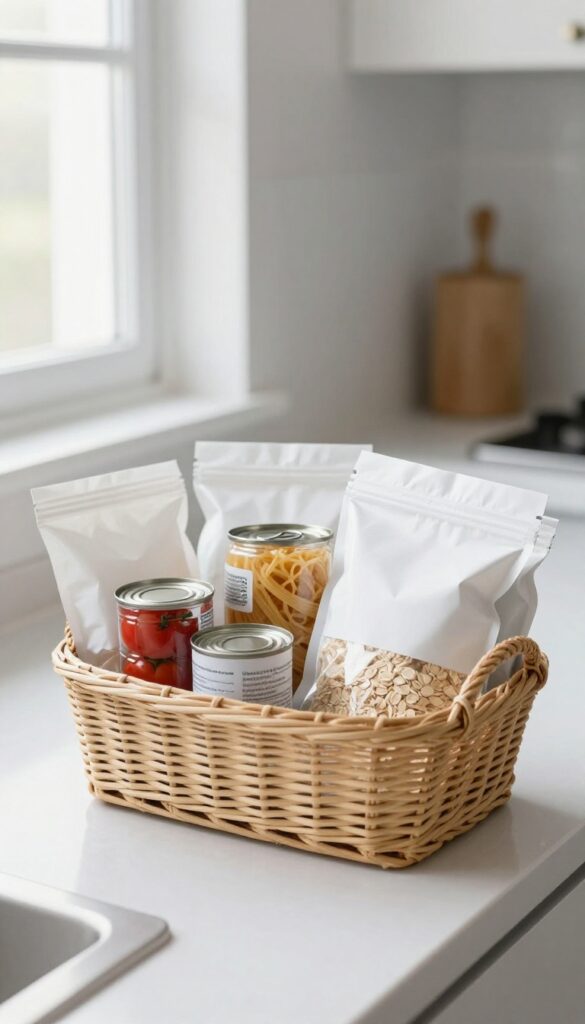
Store brands have come a long way. They're often made in the same factories as the name brands, just with a different label. The price difference?
Usually 20–30% less. It's one of the easiest swaps you can make, especially on items where taste or texture isn't a huge factor.
Start with pantry staples like cereal, pasta, canned tomatoes, and spices. These are items where generic versions are nearly identical. You'll barely notice the difference, but your wallet will.
Over a month, the savings can easily cover a nice dinner out.
Where To Start
Focus on dry goods and canned items first. Things like flour, sugar, oats, beans, and broth are virtually indistinguishable from name brands. Even frozen vegetables and fruits are a safe bet—they're just as nutritious and often cheaper.
What To Skip
Some generics aren't worth it. Things like ketchup, mayonnaise, or peanut butter can have noticeably different taste or texture. Same with coffee and some snack foods.
A quick taste test will help you decide which store brands you actually like.
The Savings Add Up
If you save just $5 per grocery trip from generics, that's $260 a year. For bigger households, it can be $500 or more. That's real money for minimal effort.
Plus, many stores have satisfaction guarantees—if you don't like it, they'll refund or swap.
6. Lower Your Thermostat by 2 Degrees
Heating and cooling eat up a big chunk of your energy bill. But you don't need to freeze or sweat to save. A tiny adjustment of just two degrees can make a real difference without much discomfort.
In winter, set your thermostat two degrees lower and wear a sweater. In summer, raise it two degrees and use a fan. This can cut your energy bill by 5–10% with minimal discomfort.
Why Two Degrees Works
Your HVAC system works hardest to maintain extreme temperatures. By nudging it just two degrees closer to the outdoor temperature, you reduce the workload significantly. That translates into lower energy use and smaller bills.
Easy Adjustments For Comfort
In winter, throw on a cozy sweater or use a heated blanket. In summer, a ceiling fan or a small desk fan can make the room feel several degrees cooler. These small swaps cost almost nothing but keep you comfortable.
Programmable Thermostats Make It Easier
If you have a programmable or smart thermostat, set it to adjust automatically when you're asleep or away. That way you save without even thinking about it. Many models let you control them from your phone, so you can tweak settings on the go.
7. Use a Cashback App for Everyday Purchases
Cashback apps are one of the easiest ways to stretch your budget without changing your habits. You're already buying groceries, gas, and household items—why not get a little money back? These apps partner with thousands of retailers to give you a percentage of your purchase back as cash.
It's free money for things you'd buy anyway.
Apps like Rakuten, Ibotta, and Fetch Rewards make it simple. Just download the app, browse available offers, and activate them before you shop. Then scan your receipt or shop through the app's link.
The cashback adds up quickly—most users earn $10–$30 per month without much effort. Over a year, that's $120–$360 back in your pocket.
How Cashback Apps Work
Each app works a little differently, but the core idea is the same. You activate an offer—like 5% back on groceries or $1 off a specific brand—then make your purchase. For online shopping, you click through the app's link.
For in-store buys, you upload your receipt. The app credits your account, and once you reach a minimum threshold (usually $5–$20), you can cash out via PayPal, gift card, or direct deposit.
Which Apps Are Worth It
Rakuten is great for online shopping with up to 15% back at hundreds of stores. Ibotta specializes in groceries and offers cashback on specific items plus a bonus for scanning your first receipt. Fetch Rewards is even simpler—just scan any receipt and earn points for gift cards.
Stacking apps can boost your earnings, but start with one to avoid overwhelm.
Tips To Maximize Your Earnings
Always check the app before you shop. Activate offers for items you already plan to buy. Combine cashback with store sales and coupons for extra savings.
Set a weekly reminder to scan receipts—it takes less than a minute. And don't forget to refer friends; many apps give you a bonus when they sign up and scan their first receipt.
8. Pack Your Lunch for a Week

Grabbing lunch out every day feels harmless, but those $10–$15 transactions add up fast. Over a month, that's easily $200–$300 just on midday meals. Packing your lunch doesn't mean sad sandwiches—it can be delicious, varied, and way cheaper.
Bringing lunch from home saves $5–$10 per day compared to eating out. That's $25–$50 a week. Use leftovers or batch-cook on Sundays to make it easy.
The Math Is Simple
A homemade lunch costs around $3–$4, versus $10–$15 for takeout. Pack just four days a week and you save $28–$48 weekly. That's over $1, 200 a year without any sacrifice.
Make It A Habit
Cook extra dinner and pack leftovers. Or spend an hour on Sunday prepping grain bowls, wraps, or salads. Store them in containers so grabbing lunch is as fast as ordering.
Keep It Interesting
Rotate cuisines—Mexican bowls, Asian noodle salads, Italian pasta. Use sauces and toppings to avoid boredom. A little planning keeps your lunch game strong.
9. Sell Unused Items Around Your Home
You probably have hundreds of dollars sitting in your closet, garage, or basement right now. Clothes that don't fit, electronics you rarely use, books you've already read, and furniture that's just taking up space can all be turned into cash fast. A weekend declutter session can net you $100–$500 with minimal effort.
Selling unused items is a win-win: you clear out clutter and put money back in your pocket. The key is choosing the right platform for each item and pricing it to sell quickly.
Where To Sell
Facebook Marketplace is great for bulky items like furniture and large electronics because buyers can pick up locally. For clothing and accessories, try Poshmark or a local consignment shop. eBay works well for collectibles, vintage items, and electronics with higher value. Books and media can go to Decluttr or Half Price Books.
Tips For Quick Sales
Take clear photos in good lighting and write honest, detailed descriptions. Price items slightly below similar listings to move them fast. Bundle smaller items together for a flat price.
Respond to inquiries promptly and be flexible with pickup times.
What To Sell First
Start with high-value items that you haven't used in over a year: old smartphones, tablets, gaming consoles, designer handbags, and power tools. Then move to seasonal gear like ski equipment or camping gear. Finally, clear out clothes that don't fit or are out of style.
10. Reduce Food Waste with a Weekly Meal Plan
A surprising amount of your grocery budget ends up in the trash. The average household throws away hundreds of dollars of food each year. A simple weekly meal plan can change that.
By planning meals around what you already have and buying only what you need, you can cut your grocery bill by 15–25%. It's a low-effort way to save money and waste less food.
Start With A Pantry Check
Before you even think about a shopping list, take a quick inventory of what's already in your fridge, freezer, and pantry. You'll often find forgotten items that can become the base of a meal. This step alone can save you from buying duplicates and using up what you have.
Plan Around Sales And Staples
Check your grocery store's weekly ad and plan meals around what's on sale. Combine that with versatile staples like rice, pasta, and eggs. This keeps your meals interesting and your spending low.
You'll also avoid impulse buys because you'll have a clear list.
Cook Once, Eat Twice
When you cook, make extra portions for lunches or another dinner. For example, roast a whole chicken and use leftovers for sandwiches, salads, or soup. This reduces the temptation to order takeout and stretches your food budget further.
11. Use Public Transportation or Carpool
Driving everywhere is convenient, but it's also one of the biggest drains on your wallet. Between gas, maintenance, parking fees, and insurance, the cost of owning and operating a car adds up fast. Switching to public transit or sharing rides a few days a week can free up serious cash without changing your lifestyle much.
Even if you only ditch your car one day a week, you'll see savings. A single commute by bus or train might cost $2–$5, compared to $10–$20 in gas and parking. Over a month, that's $40–$80 back in your pocket.
Carpooling splits costs even further—and you might enjoy the company.
Calculate Your Real Commute Cost
Most people underestimate what they spend on driving. Track your gas, parking, tolls, and maintenance for a week. You might be shocked to see how much those trips actually cost.
Once you know the number, you'll be motivated to cut back.
Start Small With One Day A Week
You don't have to go full transit warrior overnight. Pick one day—maybe Wednesday or Friday—and try taking the bus or train. Use that time to read, listen to podcasts, or just relax.
You'll save money and arrive less stressed.
Find A Carpool Buddy
Ask coworkers who live nearby if they want to share rides. Apps like Waze Carpool or local Facebook groups can help you find matches. Splitting gas and parking costs can cut your commute expenses by 50% or more.
12. Cancel Unused Gym Memberships

That gym membership you're paying for but never using? It's a silent drain on your budget. If you haven't stepped foot in the gym in over a month, it's time to cut the cord.
You can get fit without the monthly fee, and the savings add up fast.
Most people overestimate how often they'll use a gym. Life gets busy, and that monthly charge becomes a forgotten expense. Canceling it can save you $30–$60 per month, which is $360–$720 a year.
That's real money you can redirect to savings or debt.
Free Alternatives That Work
You don't need a gym to stay active. YouTube is packed with free workout videos—from yoga to HIIT to strength training. Running or walking outside costs nothing.
Bodyweight exercises like push-ups, squats, and planks can be done anywhere. You might even find you prefer working out at home.
Check For Seasonal Holds
If you're on the fence, see if your gym offers a seasonal freeze. Some allow you to pause your membership for a few months without canceling. This gives you time to test the free alternatives while keeping your option open.
Make The Call Today
Don't put it off. Call or visit the gym's website to cancel. Some require written notice or in-person cancellation, so check the terms.
Once it's done, redirect that monthly amount to a savings account automatically. You'll barely notice the difference—except in your growing balance.
13. Buy in Bulk for Non-Perishables
Warehouse clubs and bulk bins aren't just for large families. Buying non-perishable items in larger quantities can slash your per-unit costs significantly. The trick is to focus on things you actually use regularly and have space to store.
Start with staples like toilet paper, paper towels, rice, pasta, and cleaning supplies. Check the unit price on shelf labels—often the bulk option is 20-40% cheaper. Just be realistic about storage and expiration dates.
If you live in a small apartment, split a bulk pack with a friend or neighbor.
What To Buy In Bulk
Focus on items with long shelf lives: canned goods, dry pasta, rice, oats, spices, cleaning products, toilet paper, and personal care items like toothpaste and soap. Avoid bulk buying perishables unless you have a plan to use or freeze them quickly.
Where To Shop
Warehouse clubs like Costco or Sam's Club offer the best deals per unit. But don't overlook online retailers like Amazon's Subscribe & Save or local bulk food stores. Compare prices across stores using a simple app or spreadsheet to ensure you're actually saving.
Storage And Organization Tips
Before stocking up, make sure you have a dedicated storage area—a pantry, closet shelf, or under-bed bins. Use clear containers or labels to keep track of what you have. Rotate stock so older items get used first.
This prevents waste and saves you from buying duplicates.
14. Use a Library Card for Entertainment
Your local library is a goldmine for free entertainment. Beyond books, most libraries offer movies, music, audiobooks, and even digital streaming services like Kanopy or Hoopla. Instead of spending $10–$15 on a movie ticket or $5 on a Redbox rental, borrow for free.
You can easily save $20–$50 per month by swapping paid entertainment for library loans.
A library card gives you access to thousands of titles without spending a dime. Many libraries also have digital apps so you can stream or download content right from your phone or tablet. No late fees at many libraries anymore either—just renew online or return when you're done.
What You Can Borrow For Free
Most people think libraries are just for books. But you can borrow DVDs, Blu-rays, video games, audiobooks, magazines, and even museum passes. Some libraries lend out board games, puzzles, or tools.
Check your library's website for a full list—you might be surprised.
Digital Streaming And Downloads
Apps like Libby, Hoopla, and Kanopy let you borrow ebooks, audiobooks, movies, and TV shows instantly. No need to visit the building. Just log in with your library card and start streaming.
Many libraries also offer free music streaming through Freegal or similar services.
How To Get Started
If you don't have a card, sign up online or visit your local branch. You'll need proof of address and a photo ID. Once you have your card number, download the library's apps and start browsing.
Set a goal: replace one paid streaming subscription with library content for a month and see how much you save.
15. Cut the Cord on Expensive Cable

Cable bills have a way of creeping up month after month. Before you know it, you're paying over $150 for channels you barely watch. The good news?
Ditching cable is easier than ever, and the savings are immediate.
Switching to streaming services or an antenna can save you $50 to $100 or more each month. That's $600 to $1, 200 a year back in your pocket. And you don't have to sacrifice your favorite shows—most are available on cheaper platforms.
Compare Streaming Options
Look at services like Netflix, Hulu, Disney+, or YouTube TV. Many offer free trials so you can test before committing. Pick one or two that cover your must-watch shows, then cancel the rest.
Use An Antenna For Local Channels
An HD antenna gives you free access to major networks like ABC, NBC, CBS, and Fox. One-time cost of $20–$40, and you're set. Combine with a streaming service for a complete setup.
Share Accounts With Family
Many streaming plans allow multiple profiles. Split the cost with a sibling or friend. You each get your own login, but pay half the price.
16. Automate Your Savings
Willpower is overrated when it comes to saving money. The easiest way to build a cushion is to make saving happen without you even thinking about it. Automation removes the temptation to spend and turns saving into a habit that runs on autopilot.
Set up an automatic transfer from your checking account to your savings account on payday. Even a small amount like $20 per week adds up to over $1, 000 a year. You won't miss money you never see, and your savings will grow steadily without any effort.
Pick Your Amount
Start with a number that feels painless—maybe $10 or $20 per week. You can always increase it later. The key is to choose an amount that won't make you scramble to cover bills.
Set The Timing
Schedule the transfer for the same day your paycheck hits your account. That way, the money moves before you have a chance to spend it. Out of sight, out of mind.
Use The Right Account
Keep your savings in a separate account—ideally one that's not linked to your debit card. This adds friction and makes it less likely you'll dip into it for impulse buys.
17. Use a Price Tracking Tool for Online Shopping
You don't have to pay full price for anything online. Price tracking tools do the waiting for you, alerting you when an item drops to your target price. It's like having a personal shopper who only buys on sale.
Browser extensions like Honey or CamelCamelCamel track price history and send alerts when prices fall. Just add items to your wishlist and let the tool notify you. You can often save 20–50% by waiting a few weeks for a price drop.
Set It And Forget It
Install a price tracker extension like Honey or Keepa. When you see something you want, add it to your watchlist. The tool will email you when the price hits your desired level.
No need to check daily.
Know The Best Time To Buy
Many items follow seasonal patterns. Price trackers show historical lows so you can time your purchase. For example, electronics often drop around Black Friday, while home goods dip in January.
Stack With Coupons For Extra Savings
Some trackers also find coupon codes automatically. Combine a price drop with a promo code for maximum savings. It's a simple way to cut costs without any extra effort.
18. DIY Simple Home Repairs and Maintenance
Home repairs can feel intimidating, but many common issues are surprisingly easy to fix yourself. A leaky faucet, a hole in the drywall, or a clogged drain often just requires a few tools and a quick YouTube tutorial. By handling these small jobs yourself, you skip the $50–$200 service call fee and only pay for parts.
Over a year, these savings really add up.
Start With The Basics
Focus on repairs that are low-risk and high-frequency. Changing air filters, unclogging drains with a snake or baking soda and vinegar, and replacing worn weather stripping are all beginner-friendly. Each one can save you $50–$150 compared to hiring a handyman.
Use Youtube As Your Teacher
Search for the exact issue you're facing—there's almost always a step-by-step video. Channels like This Old House and Home RenoVision DIY offer clear instructions. Watch the whole video before starting, and pause as you work.
Invest In A Basic Tool Kit
A $30 kit with a hammer, screwdrivers, pliers, a wrench, and a tape measure covers most simple repairs. Add a cordless drill for $50 and you can handle even more. The upfront cost pays for itself after one or two DIY fixes.
19. Host a Potluck Instead of Eating Out with Friends

Socializing doesn't have to mean spending $40 on a restaurant meal. A potluck turns your home into the hot spot—everyone brings a dish, and you provide the space and maybe a drink. You get quality time with friends without the bill shock.
Plus, you'll sample a variety of foods you didn't have to cook yourself.
Potlucks are naturally budget-friendly because the cost is shared. If you host, your contribution might be a main dish or just drinks and paper plates. Even if you bring something, you're likely spending $5–$10 instead of $30+.
And leftovers? They're usually part of the deal, giving you lunch the next day.
Set A Theme To Keep It Simple
A theme like "Taco Night" or "Comfort Food" gives guests direction and prevents a random assortment of dishes. You can coordinate so there's a good mix of mains, sides, and desserts. Themes also make the meal feel special without extra cost.
Keep It Low-key With Byob
If you'd normally buy drinks for everyone, ask guests to bring their own beverages. That saves you a chunk of change. You can provide water and a simple punch, but let friends handle their preferred drinks.
It's common and no one minds.
Use What You Already Have
You don't need fancy serving platters. Use your everyday dishes and maybe some mason jars for drinks. The focus is on the company, not the presentation.
A potluck is casual by nature, so embrace the relaxed vibe.
FAQ
How much can I realistically save with these tips?
Depending on which tips you implement, you could save $200–$500 per month. The key is to pick a few that fit your lifestyle and stick with them.
Do I need to do all 19 to see results?
No, start with 3–5 that seem easiest. Even small changes like canceling one subscription or packing lunch twice a week can add up to significant savings over time.
Will these tips work if I'm already on a tight budget?
Absolutely. Many of these tips, like negotiating bills or reducing food waste, are designed to work even on a tight budget. They focus on cutting costs without feeling deprived.
How long does it take to see savings?
Some tips, like canceling subscriptions or selling unused items, yield immediate results. Others, like meal planning or automating savings, build over weeks and months.
Can I combine these tips for faster results?
Yes, combining several tips accelerates your savings. For example, cooking at home, using cashback apps, and lowering your thermostat can together save you hundreds per month.
Conclusion
Saving money fast doesn't have to mean living on ramen or canceling all fun. By picking a handful of these painless strategies, you can build a cushion without feeling deprived. The key is consistency—small daily habits create big results over time.
Start with one or two changes today.
Maybe it's packing lunch or negotiating your internet bill. Once those become routine, add another. Before you know it, you'll have extra cash in the bank and a new set of money-smart habits.
Free PDF Download
Not Sure Which Side Hustle Fits You Best?
Take the free Side Hustle Matchmaker Quiz and get a simple 7-day starter plan to help you choose a beginner-friendly idea based on your time, skills, comfort level, and goals.
You’ll get this free PDF plus access to the full Marketerna Save More & Earn More PDF Kit. No spam. Unsubscribe anytime.