16 Side Hustle Ideas for Women Working From Home
Last updated on May 5th, 2026 at 03:45 pm
Balancing a full-time job, family, and personal time is tough enough. Adding a side hustle might feel impossible, but it doesn't have to be. The key is finding something that fits your schedule and skills.
Many women working from home already have the tools and environment to start a side gig. You just need the right idea. These 16 options are practical, flexible, and designed to work around your life.
Whether you want to earn a few hundred dollars a month or build a full-time income, there's something here for you. Let's dive in.

Free PDF Download
Not Sure Which Side Hustle Fits You Best?
Take the free Side Hustle Matchmaker Quiz and get a simple 7-day starter plan to help you choose a beginner-friendly idea based on your time, skills, comfort level, and goals.
You’ll get this free PDF plus access to the full Marketerna Save More & Earn More PDF Kit. No spam. Unsubscribe anytime.
1. Freelance Writing

Words pay the bills, and there's never been a better time to cash in on your writing skills. Companies everywhere need blog posts, website copy, email newsletters, and social media content. You can work from your couch, set your own hours, and choose projects that interest you.
Getting started doesn't require a journalism degree. Many successful freelance writers began by pitching small blogs or landing their first gigs on platforms like Upwork and Fiverr. The key is to build a portfolio of 3-5 solid samples—even if you write them for free at first.
Once you have proof of your skills, you can raise your rates and attract better clients.
Where To Find Your First Gigs
Start with freelance marketplaces like Upwork, Freelancer, or Fiverr. These platforms have built-in client bases and are great for beginners. You can also pitch directly to online publications, local businesses, or websites in your niche.
Cold pitching takes courage but often leads to higher-paying, long-term clients.
How To Set Your Rates
New writers typically charge $0. 05 to $0. 10 per word.
As you gain experience and testimonials, you can increase to $0. 15–$0. 25 per word or more.
Consider offering package rates for recurring work, like a monthly blog package. Don't undervalue yourself—your time and skill are worth fair compensation.
Tools To Streamline Your Workflow
Use tools like Grammarly for proofreading, Hemingway Editor for readability, and Trello or Asana for managing deadlines. A simple website or portfolio on Contently or Clippings. me can showcase your work. Time-tracking apps like Toggl help you stay productive and bill accurately.
2. Virtual Assistant
If you're organized and enjoy helping others stay on track, virtual assisting might be your sweet spot. Entrepreneurs and busy professionals often need someone to handle emails, scheduling, and social media so they can focus on growing their business. It's a low-barrier entry to remote work with steady demand, and you can start with just a laptop and reliable internet.
Virtual assisting offers flexibility to choose your hours and clients. You can specialize in areas like email management, calendar coordination, or social media scheduling. Many VAs start with general tasks and later niche down into real estate, health coaching, or e-commerce support.
Platforms like Upwork, Belay, and Time Etc connect you with clients looking for reliable help. Rates vary, but beginners often earn $15–$25 per hour.
Skills You Already Have
You likely already possess the core skills: communication, time management, and basic tech proficiency. Familiarity with tools like Google Workspace, Zoom, or Canva is a plus, but many clients provide training. Start by offering help with tasks you're comfortable with, then expand as you learn.
How To Land Your First Client
Create a simple portfolio highlighting your organizational skills. Offer a discounted trial session to a local entrepreneur or join VA-specific Facebook groups. Word-of-mouth referrals are powerful, so ask for testimonials early.
Consistency and reliability will set you apart.
Tools To Streamline Your Work
Use Trello or Asana for task management, Calendly for scheduling, and Canva for basic graphics. Automation tools like Zapier can save hours. Invest in a good headset and a second monitor if possible—they make multitasking easier.
Free PDF Download
Not Sure Which Side Hustle Fits You Best?
Take the free Side Hustle Matchmaker Quiz and get a simple 7-day starter plan to help you choose a beginner-friendly idea based on your time, skills, comfort level, and goals.
You’ll get this free PDF plus access to the full Marketerna Save More & Earn More PDF Kit. No spam. Unsubscribe anytime.
3. Online Tutoring
Love explaining things? Online tutoring lets you turn your knowledge into income, all from your home office. Platforms like VIPKid connect you with students around the globe, while Wyzant gives you control over your rates and schedule.
You don't need a teaching degree—just expertise in a subject and patience.
The beauty of tutoring is flexibility. You can teach early mornings, late nights, or during school hours. Subjects range from math and English to music and test prep.
Most platforms handle payment and student matching, so you focus on teaching.
Pick Your Niche
Stick with subjects you know well. Love grammar? Teach ESL.
Good with numbers? Tutor algebra. Specialized topics like coding or SAT prep can command higher rates.
Think about what you genuinely enjoy explaining.
Set Your Schedule
You decide when you're available. Platforms show your open slots to students, so you only take sessions that fit your day. No commute, no dress code—just you and your laptop.
Start Small, Grow Fast
Begin with one or two students to test the waters. As you gain reviews, you'll attract more. Many tutors build a steady client base within weeks.
It's a low-risk way to earn extra cash.
4. Social Media Management
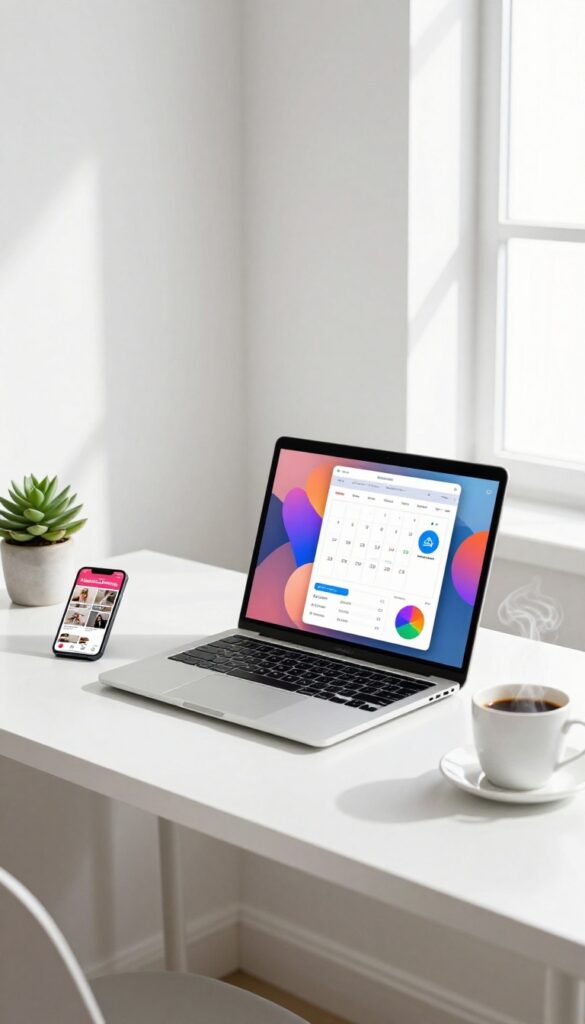
Small business owners are busy running their operations. Many know they need a strong social media presence but simply don't have the time to create posts, engage with followers, or track analytics. That's where you come in.
If you're already comfortable with Instagram, Facebook, or TikTok, you can turn that know-how into a paying gig.
Social media management is more than just posting pretty pictures. It involves planning content, scheduling posts, responding to comments, and analyzing what works. Businesses will pay you to take this off their plate, especially if you can show results like increased engagement or follower growth.
Start with one or two clients and build from there.
What You'll Do
Typical tasks include creating a content calendar, writing captions, designing simple graphics using tools like Canva, scheduling posts, and engaging with the audience. You might also run basic ad campaigns or report on monthly performance. The scope depends on the client's needs and budget.
How To Get Started
Pick a platform you enjoy and know well. Offer to manage a friend's small business account for free or at a discount to build a portfolio. Then create a simple website or social media page showcasing your work.
Platforms like Upwork, Fiverr, or local Facebook groups are great places to find your first paying clients.
What To Charge
Rates vary widely based on experience and services offered. Beginners often charge $300–$500 per month per client for basic management. As you gain experience and results, you can raise rates to $1, 000 or more.
Package deals (e. g. , 10 posts plus daily engagement) help clients understand value.
Free PDF Download
Not Sure Which Side Hustle Fits You Best?
Take the free Side Hustle Matchmaker Quiz and get a simple 7-day starter plan to help you choose a beginner-friendly idea based on your time, skills, comfort level, and goals.
You’ll get this free PDF plus access to the full Marketerna Save More & Earn More PDF Kit. No spam. Unsubscribe anytime.
5. Etsy Shop Owner
Turning a creative hobby into cash is easier than you think. Etsy gives you a ready-made audience of millions looking for unique, handmade, or vintage goods. You just need to make or source the items and ship them out.
Whether you knit, design digital planners, or hunt for thrift store treasures, there's a buyer for what you create. The platform handles payments, marketing, and even shipping labels in some cases.
What Sells Best
Handmade jewelry, custom mugs, digital art, printable wall decor, and vintage clothing are consistent winners. Think about what you already enjoy making and check Etsy's trending searches for seasonal ideas.
Getting Started
Open a shop for just $0. 20 per listing. Take clear photos with good lighting, write honest descriptions, and set competitive prices.
Start with 10–20 items to build a presence.
Time Commitment
Expect to spend 5–10 hours a week on creating, photographing, and shipping. Digital products like printables or templates require less time once created and can generate passive income.
6. Bookkeeping Services
Numbers might not be everyone's favorite, but for small business owners and freelancers, they're a constant headache. If you have a head for details and enjoy organizing financial records, bookkeeping is a low-stress, high-demand side hustle. You don't need a degree—just a willingness to learn the tools and a knack for accuracy.
Many entrepreneurs hate bookkeeping and will happily pay someone else to do it. You can start with basic services like tracking income and expenses, reconciling bank statements, and preparing simple reports. QuickBooks certification is easy to get online and instantly makes you more credible.
Once you land a few clients, referrals keep coming because every business needs this done regularly.
Getting Started
Sign up for QuickBooks Online and take their free certification course. It takes a few hours and gives you a solid foundation. Then, offer your services to local freelancers or small businesses you know.
Start with a low flat rate to build a portfolio and gather testimonials.
Pricing Your Services
Most bookkeepers charge $30–$60 per hour, depending on experience and location. You can also offer monthly packages for ongoing clients. A typical package might include bank reconciliation, expense categorization, and a monthly financial report for $200–$500 per month.
Finding Clients
Join local business groups on Facebook or Nextdoor. Offer a free 30-minute consultation to assess their needs. You can also partner with accountants or tax preparers who often refer bookkeeping work to trusted freelancers.
7. Transcriptionist

Transcription work is all about turning spoken words into written text. It's a flexible gig that fits neatly into your day, whether you have an hour between meetings or a quiet evening. Many companies need audio or video files transcribed, and you can start with just a computer and good headphones.
General transcription covers podcasts, interviews, and webinars, and it's the easiest to break into. Medical and legal transcription pay more but require specialized training. You can find work on platforms like Rev, TranscribeMe, or GoTranscript.
Rates vary, but experienced transcribers can earn $15–$30 per hour.
Getting Started
You don't need a degree, but strong typing skills (60+ wpm) and a good ear for accents help. Start with general transcription to build speed and accuracy. Many companies offer free training or sample tests.
Once comfortable, you can specialize for higher pay.
Tools Of The Trade
Invest in a foot pedal to control audio playback hands-free and software like Express Scribe or oTranscribe. Noise-canceling headphones are a game-changer. Most work is done online, so a reliable internet connection and a quiet space are essential.
Tips For Success
Focus on accuracy over speed at first. Use grammar and spell-check tools, but don't rely on them entirely. Join transcription communities for feedback and job leads.
Consistency is key—set a daily or weekly goal to build momentum.
8. Online Course Creator
You have expertise in something—maybe it's a professional skill, a creative hobby, or a life experience that others find valuable. Packaging that knowledge into an online course lets you teach what you know while earning money on autopilot. Platforms like Teachable, Udemy, and Skillshare handle the tech and payment processing, so you can focus on creating great content.
Once your course is live, students can enroll at any time. You don't have to be online to deliver the lessons. That means you can earn passive income while you sleep, travel, or focus on other work.
The key is choosing a topic people actually want to learn about and presenting it in a clear, engaging way.
Pick A Profitable Niche
Start with what you know and love, then check if there's demand. Browse Udemy or Skillshare to see what courses are popular in your area. Look for gaps—topics that have few courses but lots of searches.
For example, if you're a graphic designer, you might create a course on "Logo Design for Beginners" rather than a generic "Graphic Design 101. "
Structure Your Content
Break your course into short, digestible modules. Each module should cover one key concept or skill. Use a mix of video lessons, PDFs, quizzes, and assignments to keep students engaged.
Aim for 20–30 minutes of total content per module. Remember: people are busy, so keep it concise and actionable.
Record And Launch
You don't need a fancy studio. A quiet room, decent microphone, and good lighting are enough. Use screen recording software for tutorials.
Edit out mistakes and add simple transitions. Once your course is ready, upload it to your chosen platform, write a compelling description, and set a fair price. Promote it through your social media, email list, or blog.
9. Affiliate Marketing
Affiliate marketing lets you earn money by recommending products you genuinely like. You share a special link, and when someone buys through it, you get a commission. No inventory, no customer service, no shipping—just honest recommendations.
Start by choosing a niche you're passionate about—fitness gear, home office tools, or skincare. Then sign up for affiliate programs like Amazon Associates, ShareASale, or individual brand programs. Share your links on a blog, YouTube, or social media.
The key is to build trust with your audience. Share why you love the product, how it helps you, and include clear calls to action. Over time, your links can generate passive income while you sleep.
Pick Your Platform
You don't need a website to start. Instagram, TikTok, or Pinterest work great for visual products. If you prefer writing, start a simple blog.
Pick one platform and focus on creating useful content around your niche.
Find Products To Promote
Look for products you already use and love. Check affiliate networks like ShareASale, CJ Affiliate, or Rakuten. Many brands have their own affiliate programs too.
Start with 5–10 products and test what resonates.
Disclose And Build Trust
Always tell your audience you may earn a commission. It's required by law and builds honesty. Share personal experiences and honest reviews.
When people trust you, they're more likely to buy through your links.
10. Dropshipping

Ever wanted to run your own online store without worrying about inventory or shipping? Dropshipping makes that possible. You set up a website, list products from suppliers, and when a customer buys, the supplier ships directly to them.
Your job is marketing and customer service—they handle the rest.
Dropshipping is a low-risk way to test e-commerce because you don't buy stock upfront. You only pay for products after you've made a sale. This means you can start with a small budget and scale up as you learn what sells.
Popular platforms like Shopify and WooCommerce make it easy to connect with suppliers on Oberlo or AliExpress.
Finding Your Niche
The key to dropshipping success is picking a niche you're passionate about and that has demand. Think about problems you can solve or interests you share with others—like eco-friendly home goods, pet accessories, or fitness gear. Research trends using Google Trends or social media to validate your idea before committing.
Marketing On A Budget
You don't need a huge ad spend to get started. Use social media platforms like Instagram and Pinterest to showcase products with engaging photos and short videos. Join niche Facebook groups to share your store organically.
As you make sales, reinvest a portion into targeted Facebook or Google ads.
Managing Customer Expectations
Since you're not shipping products yourself, communication is crucial. Be upfront about shipping times on your site—especially if suppliers are overseas. Provide tracking info promptly and have a clear return policy.
Good customer service builds trust and repeat buyers.
11. Pet Sitting or Dog Walking
If you love animals and enjoy spending time outdoors, pet sitting or dog walking can be a fun and flexible way to earn extra cash. You get to hang out with adorable pets, get some fresh air, and set your own schedule. Plus, pet owners are always looking for reliable help.
Start by offering your services to neighbors and friends, then expand using apps like Rover or Wag. You control your rates and availability. Build trust by being punctual, caring, and communicative.
Many pet parents prefer someone who treats their furry family members like their own.
Getting Started
Sign up on platforms like Rover, create a profile with your experience and rates, and ask for reviews from early clients. You can also post in local Facebook groups or Nextdoor.
Setting Your Rates
Research what others charge in your area. Typical rates range from $15–$30 per walk or $30–$50 per overnight stay. Adjust based on demand and your experience.
Building A Clientele
Offer a discount for first-time clients or referrals. Be reliable and send photo updates—happy pet parents will recommend you to others.
12. Resume Writing
Every job seeker needs a polished resume, but not everyone knows how to write one. That's where you come in. Resume writing is a high-demand skill that can be done entirely from your home office.
You'll help clients highlight their strengths, tailor their experience, and land more interviews.
Start by offering basic resume packages—like a one-page refresh or a full rewrite. As you gain experience, you can specialize in specific industries, such as tech, healthcare, or executive roles. Many clients also need cover letters, LinkedIn profile optimization, and thank-you notes, so you can upsell those services.
Building a portfolio of before-and-after samples will help you attract more clients.
How To Get Started
You don't need a certification to begin, but taking a course from a reputable source (like the Professional Association of Resume Writers) can boost your credibility. Practice by rewriting your own resume or a friend's. Then create a simple website or a profile on freelance platforms like Upwork or Fiverr.
Pricing And Packages
Most beginners charge between $50 and $150 per resume. As you build a reputation, you can raise rates to $200–$500. Offer tiered packages: a basic rewrite, a premium package with a cover letter and LinkedIn update, and a VIP option with a strategy call and unlimited revisions.
Marketing Your Service
Share tips on LinkedIn or in Facebook groups for job seekers. Offer a free resume review to attract leads. Collect testimonials from happy clients and feature them on your site.
Word of mouth is powerful, so ask satisfied customers to refer you.
13. Graphic Design

If you have an eye for color and layout, graphic design can be a lucrative side hustle. Businesses constantly need logos, social media graphics, and marketing materials. You don't need a degree—just creativity and the right tools.
Start with Canva, a free tool that makes design easy for beginners. As you gain confidence, move to Adobe Express or even Photoshop. Build a portfolio by creating mock projects or offering free designs to friends.
Then join platforms like 99designs, Fiverr, or Upwork to find paying clients. Specialize in a niche, like branding for small businesses or Instagram templates, to stand out.
Getting Started With Canva
Canva offers thousands of templates for social media posts, presentations, and more. It's intuitive and has a free tier. Spend a weekend exploring its features and designing a few sample pieces to showcase your style.
Finding Your First Clients
Start with your network. Offer to redesign a friend's logo or create graphics for a local business. Once you have a few examples, join freelance marketplaces.
99designs is great for design contests, while Fiverr lets you set your own prices.
Pricing Your Work
Beginners often charge $50–$150 for a logo or $20–$50 for a social media pack. As you build a reputation, raise your rates. Package deals (e. g. , 5 social graphics for $100) can attract repeat clients.
14. Voiceover Work
Have a voice that people enjoy listening to? Voiceover work could be your ticket to a flexible side hustle. You don't need a professional studio—just a decent microphone and a quiet corner at home.
From commercials to audiobooks, there's a surprising demand for natural, relatable voices.
Voiceover work is more accessible than ever. Brands, authors, and video producers are constantly looking for voices that sound real, not like announcers. Your unique tone could be exactly what they need.
What Kind Of Voiceover Work Is Out There?
You can record commercials for local businesses, narrate audiobooks, or lend your voice to explainer videos for online courses. Even video games and apps need character voices. Start with shorter projects to build confidence and a portfolio.
Getting Started Without Breaking The Bank
A USB microphone like the Blue Yeti or Audio-Technica ATR2100 is enough to begin. Soundproof your space with blankets or pillows if needed. Free software like Audacity lets you record and edit.
Then create a simple demo reel showcasing a few styles.
Where To Find Gigs
Platforms like Voices. com, Fiverr, and Upwork have plenty of voiceover listings. You can also pitch directly to local businesses or YouTube creators. Consistency matters—audition often and improve your craft with each project.
15. Meal Planning Service
Families are busier than ever, and deciding what to cook each night can be a daily headache. A meal planning service takes that stress off their plate—literally. You create weekly menus, generate grocery lists, and even offer recipe cards, all from your home computer.
This side hustle is perfect if you enjoy cooking and organizing. You can offer different plans—like family-friendly, budget-friendly, or dietary-specific (vegan, gluten-free, etc. ). Customers subscribe weekly or monthly, or buy individual plans.
The best part? You do the planning, they do the cooking.
What You’ll Need
A computer, internet access, and a passion for meal prep. Basic knowledge of nutrition helps but isn’t required. Tools like Canva or Google Docs can create attractive, printable PDFs.
Build a simple website or use Etsy to sell your plans.
How To Get Started
Start by creating a few sample meal plans for different needs. Share them on social media or with friends to get feedback. Price your plans competitively—$5 to $15 per week is common.
As you grow, consider adding a subscription tier for recurring income.
Why It Works
Meal planning saves time, reduces food waste, and helps families eat healthier. Your customers will love the convenience, and you’ll love the flexibility of working from home. It’s a low-cost, high-value service with plenty of room to scale.
16. Blogging

Blogging has been a reliable side hustle for years, and it's still going strong. You can write about anything you genuinely care about—parenting tips, budget-friendly meals, personal finance, or even your journey working from home. The best part?
You don't need to be a professional writer. Just share your real experiences and helpful advice. Over time, your blog can earn money through ads, sponsored posts, and affiliate links.
It's a slow build, but once it gains traction, it can become a steady income stream.
Pick Your Niche
Choose a topic you know well and enjoy talking about. It could be something you already do daily, like meal planning or organizing your home office. The more specific your niche, the easier it is to attract a loyal audience.
For example, instead of a general mom blog, try "budget-friendly meal prep for working moms. "
Set Up Your Blog
You don't need fancy tech skills. Platforms like WordPress or Squarespace make it simple to start. Pick a clean, mobile-friendly theme and a domain name that matches your niche.
Focus on writing a few solid posts before worrying about design. Consistency matters more than perfection.
Monetize Gradually
Don't rush to add ads or affiliate links right away. Build an audience first by sharing valuable content on social media and engaging with readers. Once you have a steady flow of visitors, apply to ad networks like Mediavine or use Amazon Associates for affiliate marketing.
Sponsored posts can come later when your blog has authority.
FAQ
How much time do I need for a side hustle?
Most side hustles can be started with 5–10 hours per week. Choose one that fits your schedule, like virtual assisting or freelance writing, which offer flexible hours.
Which side hustle pays the most?
Online course creation, bookkeeping, and resume writing tend to have higher earning potential. However, income depends on your skills and marketing efforts.
Do I need special skills to start?
Many side hustles require only basic skills you already have. For example, transcription needs good typing, while pet sitting requires reliability. Others may need a short online course.
Can I do a side hustle while working full-time?
Absolutely. Many women start with just a few hours on weekends or evenings. The key is to pick something that doesn't burn you out.
How do I avoid scams when looking for side hustles?
Stick to reputable platforms like Upwork, Fiverr, or Rover. Avoid any opportunity that asks for upfront payment or promises unrealistic earnings.
Conclusion
Whether you're looking to replace a full-time income or just want some extra cash for fun, these side hustles prove you don't need to leave home to make money. Start with one that fits your current schedule and skills, then scale up as you gain confidence.
The best part? You're in control of how much time and energy you invest.
Free PDF Download
Not Sure Which Side Hustle Fits You Best?
Take the free Side Hustle Matchmaker Quiz and get a simple 7-day starter plan to help you choose a beginner-friendly idea based on your time, skills, comfort level, and goals.
You’ll get this free PDF plus access to the full Marketerna Save More & Earn More PDF Kit. No spam. Unsubscribe anytime.