
17 Creative Small Business Ideas for Hobby Sellers
Turning a hobby into income works best when the idea solves a real buying problem instead of just showing off what you make. That is why some hobby sellers stay stuck with random sales while others build a tiny business that actually grows.
A lot of people start with talent, then get tripped up by pricing, product focus, and picking something customers already understand. I have seen that pattern over and over, and honestly, the hobby itself usually is not the problem.
The smart move is choosing a business idea that fits how you already spend your time, what people naturally ask you about, and what feels realistic to produce without burning yourself out. That sweet spot matters way more than chasing the trend of the week.
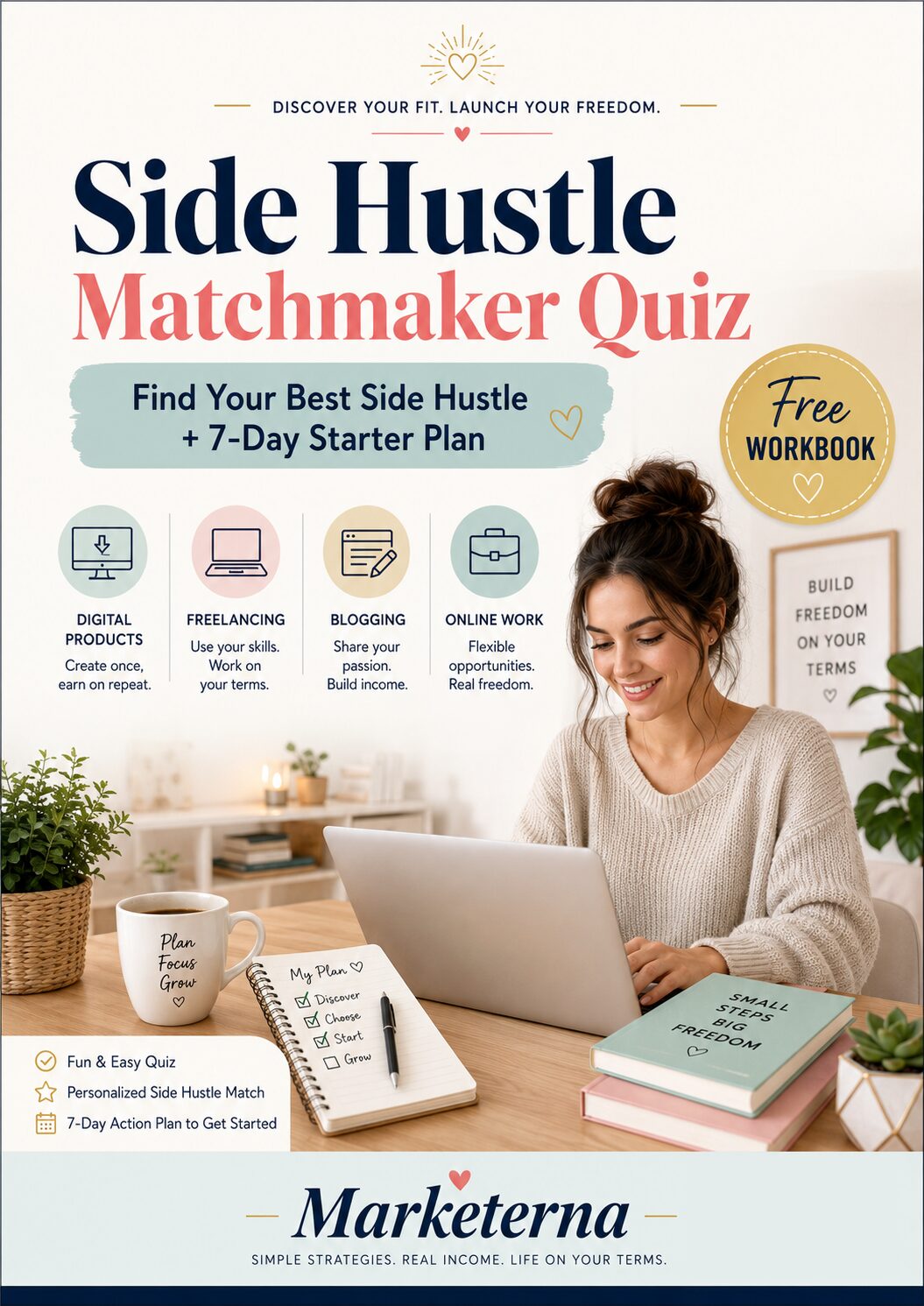
Free PDF Download
Not Sure Which Side Hustle Fits You Best?
Take the free Side Hustle Matchmaker Quiz and get a simple 7-day starter plan to help you choose a beginner-friendly idea based on your time, skills, comfort level, and goals.
You’ll get this free PDF plus access to the full Marketerna Save More & Earn More PDF Kit. No spam. Unsubscribe anytime.
1. Handmade Candle Shop
People love handmade candles, but most sellers make the mistake of treating them like generic decor instead of mood-based products with a clear vibe. A candle that smells nice is fine, but a candle with a specific feel, gift angle, or room purpose sells much faster.
This works especially well for hobby sellers because you can start small, test a few scents, and build around a style that feels personal. I like this one because it blends creativity with repeat-buy potential, which is rare and kind of beautiful.
Why It Works
Candles sit in that sweet middle ground between practical and indulgent. People buy them for themselves, for gifts, for seasonal refreshes, and sometimes because they want their living room to smell like they have their life together.
You also get room to niche down fast. You can target cozy home lovers, book readers, self-care shoppers, minimalist decor fans, or holiday buyers without reinventing the whole business.
How to Start and Sell It
- Pick one clear angle first, like clean scents, cozy scents, or seasonal gift candles, because a focused shop looks more trustworthy.
- Start with 4 to 6 scents max so you can test what people actually buy instead of drowning in inventory.
- Use simple packaging with a polished label, since presentation matters a lot for candles and people absolutely judge with their eyes first.
- Name each candle in a way that creates a mood or use case, because “Vanilla Soy Candle” feels flat while something more specific feels intentional.
Tips & Variations
Tip: Keep your first collection tight and consistent instead of offering twenty random scents that confuse shoppers. Variation: You can add wax melts later for customers who want a lower-priced option without changing your whole brand.
2. Custom Mug and Drinkware Business
A lot of hobby sellers jump into mugs because they look easy, but plain quote mugs are a crowded mess. The better move is building drinkware around specific communities, routines, or gift moments that people already shop for.
This is a strong choice if you enjoy design, funny sayings, or personalizing products for special occasions. I like it because it feels simple on the surface, yet it gives you plenty of room to create collections people want to browse.
Why It Works
Mugs and tumblers work because they tie into daily habits. People drink coffee, tea, protein shakes, and iced drinks every single day, which makes the product feel useful instead of decorative clutter.
It also gives you built-in gift appeal. Teachers, bridesmaids, dog moms, book lovers, coworkers, and small business owners all buy this kind of thing when the design feels specific enough.
How to Start and Sell It
- Choose one audience first, like teachers, pet lovers, or bridesmaid gifts, so your designs look curated.
- Create 8 to 12 design options within the same theme because buyers love feeling like they found a mini collection.
- Offer one upgrade, such as personalization, so you can raise your average order value without adding chaos.
- Show the product in real-life styled photos since plain mockups alone can make the shop feel lazy.
Tips & Variations
Tip: Focus on a niche with emotional buying triggers instead of broad “cute mug” designs. Variation: Add matching coasters or glass cans later if you want to turn one item into a fuller gift set.
Free PDF Download
Not Sure Which Side Hustle Fits You Best?
Take the free Side Hustle Matchmaker Quiz and get a simple 7-day starter plan to help you choose a beginner-friendly idea based on your time, skills, comfort level, and goals.
You’ll get this free PDF plus access to the full Marketerna Save More & Earn More PDF Kit. No spam. Unsubscribe anytime.
3. Printable Art and Wall Decor Shop
Selling physical products is great until your dining table turns into a shipping station and your patience starts evaporating. Printable art fixes that problem because you create it once and keep selling it without packing a single box.
This idea works beautifully for hobby sellers who enjoy design, illustration, lettering, or home decor trends. I am a big fan of printable shops because they are low-overhead and surprisingly flexible when you pick the right style.
Why It Works
Printables give customers instant access, which people love. They also cost less than framed art, so shoppers feel like they are getting a stylish upgrade without committing to a big spend.
You can also target all kinds of decor styles, from farmhouse and modern to nursery, office, kitchen, and seasonal themes. That makes it easier to create related products without drifting into random territory.
How to Start and Sell It
- Pick one decor niche first, like kitchen prints, nursery art, or minimalist office quotes, to keep the shop cohesive.
- Offer multiple size ratios in each listing so customers can print the art easily without messaging you for help.
- Create bundles when possible because shoppers often want a set, not just one lonely print.
- Write titles and descriptions around room use and style keywords since buyers search by vibe more than by artist name.
Tips & Variations
Tip: Keep your design style recognizable so your shop feels like a brand instead of a folder of random files. Variation: You can branch into printable planners, cards, or party signs if your audience starts buying other digital products.
4. Handmade Jewelry Brand
Jewelry sounds like a classic hobby business because, well, it is. The trick is avoiding the trap of making whatever you feel like that day and instead building a style people can identify in two seconds.
This is a smart fit for hobby sellers who love working with beads, clay, resin, wire, or metal details. I always think jewelry does best when the seller leans into one signature look instead of trying to be everybody’s favorite shop.
Why It Works
Jewelry sells because it is personal, wearable, and giftable all at once. It also gives buyers a relatively affordable way to treat themselves, which helps a lot when people are hesitant to spend big money.
It is easy to create repeat customers too. Someone who likes your earrings today might come back for matching necklaces, seasonal pieces, or gifts next month.
How to Start and Sell It
- Choose one material or signature style first, because a clear identity helps buyers remember you.
- Build small collections instead of listing single random pieces, since collections feel more intentional.
- Price with your time in mind from the start so you do not end up making six dollars an hour and calling it growth.
- Photograph pieces on a neutral background and on a model if possible, because scale matters a lot in jewelry sales.
Tips & Variations
Tip: Keep your best-selling shape or style in stock so you always have a reliable seller. Variation: Offer custom birthstone or name-based pieces if you want to tap into the personalized gift market.
Free PDF Download
Not Sure Which Side Hustle Fits You Best?
Take the free Side Hustle Matchmaker Quiz and get a simple 7-day starter plan to help you choose a beginner-friendly idea based on your time, skills, comfort level, and goals.
You’ll get this free PDF plus access to the full Marketerna Save More & Earn More PDF Kit. No spam. Unsubscribe anytime.
5. Crochet or Knitted Accessories Shop
Crochet and knitting hobbies turn into a business pretty naturally, but not every handmade piece makes sense to sell. Large projects can eat up your time fast, so smaller accessories usually work better when you are starting out.
This is a great idea for someone who loves yarn crafts and wants products that feel cozy, wearable, and highly giftable. I love this category because it feels warm and personal without needing a giant startup budget.
Why It Works
Accessories like hats, headbands, scrunchies, baby booties, and bags hit the sweet spot between effort and profit. People see them as charming handmade goods, and that gives you an advantage over mass-produced stuff that looks soulless.
Seasonal demand also helps. Fall and winter shoppers actively search for cozy handmade pieces, which means you can plan product drops around real buying habits.
How to Start and Sell It
- Start with quick-to-make items so you can test demand without spending forever on inventory.
- Pick two or three core products and offer them in a few colorways to keep the shop organized.
- Use soft, appealing photos because texture matters a lot with yarn products and people want to imagine touching them.
- Track how long each piece takes so your pricing reflects reality, not wishful thinking.
Tips & Variations
Tip: Offer neutral colors first because they usually appeal to more buyers and photograph beautifully. Variation: You can create matching sets, like beanie and scarf bundles, once individual items start selling.
6. Personalized Gift Basket Business
Gift baskets work well for hobby sellers who enjoy curating, styling, and making things look special instead of creating every item from scratch. The real value here comes from thoughtful combinations, not just stuffing a box and hoping it feels fancy.
This one has strong selling power because buyers often want a ready-made gift solution. I respect that deeply because last-minute gift shoppers keep a lot of businesses alive, whether they admit it or not.
Why It Works
A good gift basket solves a convenience problem. People want to give something that looks thoughtful, but they do not always have time to source five separate items and make it all look cute.
You can also niche these baskets around clear occasions. Think self-care baskets, teacher gifts, baby shower gifts, coffee lover boxes, or pet parent baskets.
How to Start and Sell It
- Pick one gift category first so your brand has a clear purpose and target buyer.
- Combine a few simple items that feel cohesive rather than cramming in whatever fits the box.
- Focus hard on packaging because presentation does half the selling in this type of business.
- Price for labor, wrapping, materials, and sourcing time so you do not accidentally volunteer your weekends for free.
Tips & Variations
Tip: Build one bestselling “signature basket” before offering a long menu of options. Variation: Add a personalized gift note or custom label to make the basket feel more premium without a huge extra workload.
7. Pet Accessories Shop
Pet owners spend money with a level of enthusiasm that makes normal consumer behavior look calm and measured. That is great news if your hobby leans toward sewing, crafting, designing, or creating cute useful products.
This business idea works especially well because pet products combine function with emotional buying. I honestly think people will skip buying something for themselves and still order a nicer bandana for their dog, which is both ridiculous and very real.
Why It Works
Pet buyers love products that make their animals look cute, feel comfortable, or fit better into their home. Bandanas, bows, treat jars, leash holders, toy bins, and feeding mats all land well when they look polished.
There is also strong niche potential here. You can aim for stylish pet parents, holiday shoppers, apartment dog owners, or people who want home decor that still works for pets.
How to Start and Sell It
- Choose one product type first, like bandanas or storage items, so you can build a focused brand.
- Use product photos with actual pets whenever possible because that makes the item feel more real and lovable.
- Think about practical concerns such as washable fabric, sizing, and durability before you list anything.
- Write descriptions that mention use, comfort, and style together because buyers want both.
Tips & Variations
Tip: Keep sizing super clear, since vague sizing creates returns and annoyed customers fast. Variation: Launch seasonal collections for holidays or birthdays if you want easy promotional angles throughout the year.
8. Homemade Soap and Body Care Line
A lot of hobby sellers love making soaps, scrubs, and body products because the process feels relaxing and creative. The business side gets stronger when the products are positioned around skin feel, gifting, scent mood, or simple everyday routines.
This idea fits well if you enjoy handmade products and want something that feels artisan without becoming overly complicated. I like body care lines because they can look premium fast when the branding stays clean and consistent.
Why It Works
Body care products appeal to self-care shoppers, gift buyers, and people trying to swap out generic store products. When something smells great and looks beautiful, it already has a head start.
You can also encourage repeat buying much more easily than with one-time decor purchases. Soap runs out, scrubs get used up, and customers come back if they liked the experience.
How to Start and Sell It
- Start with a tight line of three to five products so your launch feels manageable.
- Focus on one theme, such as calming scents, natural ingredients, or seasonal self-care gifting.
- Keep labels readable and polished because body products need clear, trustworthy presentation.
- Test packaging for leaks, mess, and storage life before selling, since cute does not help much if the product arrives looking chaotic.
Tips & Variations
Tip: Build scent families that can cross over into multiple products for easier upselling. Variation: Offer mini sampler sets if you want to make the first purchase feel less risky for new customers.
9. Sticker and Stationery Shop
Sticker and stationery buyers do not usually want random cute designs with no purpose. They want items that fit their planning style, aesthetic, hobbies, or gifting needs, which gives hobby sellers a lot more room to stand out than people assume.
This is a strong business idea if you love drawing, lettering, journaling, or organizing. I have always liked this category because the products are affordable, collectible, and weirdly addictive in the best way.
Why It Works
Stationery shoppers love themes and repeat purchases. Someone who buys one sheet of stickers might come back for matching notepads, bookmarks, planner inserts, or seasonal designs.
These products are also easy to bundle. Small items feel more exciting when they come as a set, and that helps raise order value without pushing customers too hard.
How to Start and Sell It
- Pick one audience first, like planners, students, readers, or small business owners, to keep your designs focused.
- Create collections that visually match because buyers love grabbing several items at once.
- Offer both fun and useful products so your shop feels practical, not just decorative.
- Use close-up photos that show texture, size, and finish clearly since paper goods need detail.
Tips & Variations
Tip: Release products in themed drops so people get excited about new collections instead of random listings. Variation: You can add digital stickers or printable planner pages if you want a lower-effort expansion.
10. Embroidery and Monogram Business
Embroidery gives hobby sellers a chance to make everyday products feel customized and premium. A plain tote bag is one thing, but a neatly embroidered tote with a monogram or playful phrase feels much more intentional.
This business works best for people who enjoy detail work and want products that feel personalized without being too trendy. I like embroidery because it makes simple items look expensive, even when the base product is pretty basic.
Why It Works
Personalized items sell because they feel specific to the buyer. That makes them great for birthdays, bridesmaids, new moms, students, and gift occasions where generic stuff falls flat.
Embroidery also adds perceived value. Buyers often see stitched details as more durable and elevated than printed ones, which helps justify stronger pricing.
How to Start and Sell It
- Start with one or two base items, such as tote bags, makeup pouches, or baby items, so your process stays efficient.
- Offer a small font and thread color menu instead of endless choices that make ordering confusing.
- Show examples of personalization clearly because buyers need help picturing their custom version.
- Keep turnaround times realistic since custom orders can pile up fast if you get overconfident.
Tips & Variations
Tip: Use mockups or stitched samples with common names and initials to make buying easier. Variation: Add seasonal embroidered phrases or holiday gift bundles to create timely shopping reasons.
11. Resin Art and Decor Business
Resin attracts hobby sellers because it looks impressive and feels fun to experiment with. The best-selling resin businesses usually avoid random one-off pieces and focus instead on giftable, useful, or decor-friendly products.
This is a nice fit if you enjoy color play, texture, and making small statement pieces. I think resin can be a great business when the designs stay polished and not like a glitter explosion lost a fight on your table.
Why It Works
Resin products feel handmade and visually unique, which gives them strong gift appeal. Coasters, trays, bookmarks, keychains, and jewelry all work because they combine function with aesthetic value.
You can also create recognizable collections through color palettes and finishes. That helps your shop feel like a brand instead of a pile of experiments.
How to Start and Sell It
- Choose practical products first, such as coasters or trays, because useful items tend to sell more consistently.
- Build around a few signature color palettes to make the shop look cohesive.
- Test durability and finish carefully before selling so your products feel polished and hold up well.
- Use styled photos that show the item in use, since resin pieces often look better in context than on plain backgrounds.
Tips & Variations
Tip: Keep your most photogenic collection front and center because appearance drives a lot of these sales. Variation: Offer personalized name keychains or bridal party sets if you want a custom angle.
12. Handmade Home Decor Shop
Home decor is broad, which sounds helpful until it turns into a giant branding headache. The smarter route is narrowing down to one type of decor or one style so buyers instantly understand what your shop is about.
This idea works well if you enjoy crafting pieces for shelves, tables, walls, or seasonal decorating. I love home decor as a business category because shoppers often buy with emotion, and that gives your style a real edge.
Why It Works
Decor buyers want products that help their space feel more personal, cozy, or put together. That emotional result matters more than the item itself, which is why strong styling and branding make such a difference.
There is also a lot of room for themed collections. Farmhouse, modern, cottage, rustic, neutral, and seasonal decor each attract different buyers with very clear search behavior.
How to Start and Sell It
- Pick one decor style first so your listings feel connected and easy to browse.
- Start with smaller pieces that ship easily, like signs, trays, or shelf decor.
- Show products in styled room setups because shoppers need to picture them inside a home.
- Write product descriptions around room placement and style fit, not just material details.
Tips & Variations
Tip: Create decor that works year-round before diving too hard into holiday-only products. Variation: Add seasonal mini collections later to bring repeat traffic and fresh shop interest.
13. Sewing Shop for Useful Fabric Goods
Sewing businesses do best when the products solve simple daily problems. Cute fabric alone is not the business plan, unfortunately, even though I know hobby sellers would love it if that were enough.
This is a smart idea for people who enjoy sewing and want products that feel practical, giftable, and easy to personalize. I usually like this path because useful fabric goods often win over buyers faster than purely decorative handmade items.
Why It Works
Items like zipper pouches, tote bags, bowl cozies, baby bibs, makeup bags, and reusable kitchen cloths make sense immediately to shoppers. They look handmade, but they also serve a purpose, which makes spending feel easier.
Fabric products also let you refresh collections with new prints and color themes without redesigning the whole item. That keeps your shop fresh while your production process stays familiar.
How to Start and Sell It
- Choose one product category first so you can streamline your cutting, sewing, and photography.
- Use a few fabric patterns that match your brand instead of offering every print under the sun.
- Highlight usability in your listings because buyers want to know exactly how the item fits into daily life.
- Make sure your stitching and finishing look consistent since clean construction builds trust fast.
Tips & Variations
Tip: Neutral and floral prints usually perform well because they appeal to both gift buyers and everyday shoppers. Variation: Add monograms or personalized tags if you want an easy upsell.
14. Baking or Treat Box Business
A baking hobby can absolutely become a business, but it works best when the products travel well, photograph nicely, and fit gifting or party needs. Not every delicious thing is a good selling product, which feels rude but true.
This business idea suits hobby bakers who love making cookies, brownies, cupcakes, or themed treats. I like treat boxes because they feel fun, shareable, and much easier to market than a random menu of everything you can bake.
Why It Works
Treat boxes create a strong “gift yourself or gift someone else” appeal. They also make it easy to package multiple flavors together, which increases perceived value and gives buyers more variety.
Themes help a lot here too. Birthday boxes, holiday boxes, thank-you boxes, and monthly dessert drops give customers a clear reason to buy now instead of later.
How to Start and Sell It
- Build one signature box first instead of launching a giant menu that becomes impossible to manage.
- Choose products that hold up well in packaging and delivery so quality stays consistent.
- Focus on visual appeal because baked goods sell heavily through photos and presentation.
- Offer box sizes at different price points so buyers can test you without a huge commitment.
Tips & Variations
Tip: Keep flavor combinations simple and crowd-friendly when you first launch. Variation: Offer limited seasonal flavors or celebration-themed boxes to keep demand feeling fresh.
15. Digital Templates and Planner Business
Some hobby sellers love organizing, designing, and making systems look pretty. That may sound oddly specific, but it can turn into a very solid digital business if you create templates people can actually use.
This is a great fit for anyone who enjoys planning pages, budget trackers, content calendars, or small business templates. I like digital template shops because they skip inventory stress and give you room to sell the same product repeatedly.
Why It Works
Digital products scale better than handmade products because your time is not tied directly to every sale. Once the file is done, you can focus more on marketing, improving listings, and building a recognizable product line.
Templates also solve a clear problem. Buyers want structure, time-saving tools, and something that looks polished without making it from scratch.
How to Start and Sell It
- Pick one user type first, like students, content creators, budgeters, or small business owners.
- Make the template easy to edit or use right away because buyers hate feeling confused after download.
- Show preview images that explain the product clearly, not just pretty screenshots.
- Create bundles when it makes sense so customers can get several related tools in one purchase.
Tips & Variations
Tip: Start with one practical pain point, such as budgeting or weekly planning, instead of trying to build every template on earth. Variation: Expand into matching digital stickers, checklists, or printable versions later.
16. Vintage Flip or Curated Resale Shop
Not every hobby business needs you to make the product with your own hands. If you love thrifting, spotting hidden gems, or styling vintage pieces, curated resale can be a fantastic small business idea.
This one works especially well for hobby sellers with a strong eye for design, fashion, or decor. I genuinely love this model because your taste becomes the product, and that is a pretty powerful thing when done well.
Why It Works
Buyers come to curated resale shops for discovery. They want unique pieces, not the same bland mass-market items everyone else already has.
Your value comes from finding, selecting, cleaning, styling, and presenting the item better than the average seller. That means taste, product knowledge, and photography matter just as much as sourcing.
How to Start and Sell It
- Pick one resale category first, like vintage home decor, accessories, or clothing, so your brand feels focused.
- Learn basic pricing patterns so you know when something is a good flip and when it is just cute clutter.
- Photograph items honestly and clearly because condition matters a lot in resale.
- Share details about era, style, size, or styling ideas to make each listing more valuable.
Tips & Variations
Tip: Stay picky when sourcing, because a tight collection looks far more premium than piles of random thrift finds. Variation: You can create themed drops, like cottage decor or vintage office pieces, to build stronger buyer excitement.
17. Hobby Workshop or DIY Kit Business
Sometimes the best small business is not selling the finished item at all. If people always ask how you made something, there is a good chance they would pay for a kit, guide, or beginner-friendly workshop.
This is perfect for hobby sellers who enjoy teaching as much as making. I love this business idea because it turns your skill into a product and gives you income options beyond constant one-by-one production.
Why It Works
DIY kits and workshops sell because they offer an experience, not just an object. Buyers get the fun of making something themselves, which can feel more meaningful and more giftable too.
They also position you as an expert in a very approachable way. That makes it easier to branch into classes, digital guides, memberships, or higher-priced offers later.
How to Start and Sell It
- Choose one project that beginners can finish without feeling personally attacked by the instructions.
- Keep the materials and steps simple so the experience feels fun, not frustrating.
- Write or record instructions clearly and test them with a beginner before selling.
- Market the outcome as well as the process, because buyers want to know what they will end up with.
Tips & Variations
Tip: Start with one simple kit that matches your most popular hobby skill. Variation: Offer virtual workshops or downloadable guides if you want a lower-shipping version of the same idea.
Things to Consider Before Choosing Your Small Business Idea
The best business idea is not always the one that sounds cutest on paper. It is the one you can keep making, pricing, packaging, and talking about without getting sick of it by week three.
Time matters more than people admit. If one product takes forever to make and customers will not pay enough for that time, the business gets frustrating fast no matter how talented you are.
You also need to think about repeatability. A strong hobby business usually has a process you can repeat, a product customers understand quickly, and enough room for collections or related items later.
Pricing needs a reality check too. A lot of hobby sellers undercharge because they feel awkward asking for more, but that only makes the business harder to sustain and way less fun.
Shipping, breakage, shelf life, and customization all matter as well. A product might look amazing online but become a logistical nightmare the second real orders start coming in, and that is not the glamorous plot twist anyone wants.
My general rule is simple. Choose something you enjoy making, something buyers instantly “get,” and something you can produce without your whole life turning into packing tape and panic.
FAQ
What is the best small business idea for a beginner hobby seller?
A beginner usually does best with a product that feels simple to make, easy to explain, and affordable to test. Printables, mugs, stickers, candles, and small sewn goods are all solid starting points.
Do I need a big budget to start a hobby-based business?
No, and honestly, starting small is usually smarter. A tight product line with clear branding beats a big expensive launch that leaves you overwhelmed.
Should I sell handmade or digital products?
That depends on what you enjoy and how you want to spend your time. Handmade products feel personal, while digital products give you more flexibility and easier scaling.
How do I know if people will buy my hobby products?
Look for products people already search for, gift often, or use regularly. You can also test demand with a small launch instead of waiting for some magical certainty to appear.
What is the biggest mistake hobby sellers make?
They try to sell too many things at once. A focused shop almost always looks more trustworthy and sells better than a business with fifteen unrelated ideas fighting for attention.
How should I price my products?
Include materials, labor, packaging, fees, and profit. If your pricing makes you resent the work, it needs fixing.
Can I turn a side hobby into a full-time business?
Yes, but it usually happens by growing one strong product line first, not by doing everything at once. Consistency, clear branding, and smart product choices matter a lot more than hype.
Final Thoughts
The strongest hobby businesses usually start with one good idea, not a giant master plan. Pick something that fits your skills, solves a simple buying need, and feels sustainable enough to stick with.
You do not need to launch like a full company on day one. Start focused, learn what sells, and let the business grow in a way that still feels fun and doable.
Free PDF Download
Not Sure Which Side Hustle Fits You Best?
Take the free Side Hustle Matchmaker Quiz and get a simple 7-day starter plan to help you choose a beginner-friendly idea based on your time, skills, comfort level, and goals.
You’ll get this free PDF plus access to the full Marketerna Save More & Earn More PDF Kit. No spam. Unsubscribe anytime.