17 Low Spend Challenge Ideas to Reset Your Spending
Breaking the cycle of overspending doesn't require a complete lifestyle overhaul—just a few focused challenges. These 17 low spend ideas target specific habits like takeout, subscriptions, and impulse buys, turning small changes into noticeable savings.
Each challenge is designed to be manageable, so you can pick one that fits your current routine and build momentum from there. The real payoff isn't just the money saved; it's the awareness you gain about where your cash actually goes.
Ready to reset your spending without the guilt? Let's dive into practical, no-pressure ways to keep more money in your pocket.

Free PDF Download
Not Sure Which Side Hustle Fits You Best?
Take the free Side Hustle Matchmaker Quiz and get a simple 7-day starter plan to help you choose a beginner-friendly idea based on your time, skills, comfort level, and goals.
You’ll get this free PDF plus access to the full Marketerna Save More & Earn More PDF Kit. No spam. Unsubscribe anytime.
1. The No Takeout Challenge

Takeout and delivery are convenient, but they quietly drain your wallet. On average, a single order can cost $15–$25, and if you order twice a week, that's over $1, 500 a year. This challenge asks you to pause all restaurant meals for a set period—maybe a week, two weeks, or a full month.
Instead, you'll cook at home using ingredients you already have in your pantry and fridge. The result? You save money, reduce food waste, and often discover you're a better cook than you thought.
The No Takeout Challenge is straightforward: no ordering from restaurants, cafes, or delivery apps for a chosen timeframe. That includes coffee runs, lunch breaks, and late-night cravings. The goal isn't just to save money—it's to break the habit of relying on others for meals.
You'll learn to plan simple meals, use leftovers creatively, and appreciate home cooking. Many people find they enjoy the process and save hundreds of dollars in just a few weeks.
How To Start
Pick a timeframe that feels doable. If a month seems too long, start with one week. Clear your fridge of anything that needs to be used soon, and make a list of meals you can make with what's left.
Stock up on staples like rice, pasta, canned goods, and frozen veggies. Plan a few simple recipes—think stir-fries, soups, or pasta dishes—so you're not scrambling when hunger hits.
Make It Easier
Batch cook on weekends to save time during the week. Cook double portions and freeze half for busy days. Keep emergency meals like frozen burritos or pre-made soups on hand for moments when you're tempted to order.
Also, delete delivery apps from your phone to remove the temptation. If you really crave a specific dish, learn to make a simplified version at home.
Track Your Savings
Keep a jar or a note on your phone where you record every takeout meal you didn't buy. At the end of the challenge, count up what you saved. Seeing that number—often $50 to $200 in a single week—is powerful motivation to continue the habit.
You might even decide to make this a regular practice, like a no-takeout week each month.
2. The Pantry Challenge
Your pantry, fridge, and freezer are probably hiding a week's worth of meals. The pantry challenge asks you to eat only what you already have for seven days—no grocery runs allowed. It's a fun way to clear out clutter, reduce food waste, and see a noticeable drop in your weekly spending.
Before you start, take inventory of what you have. Group items by category—grains, proteins, vegetables, sauces—and get creative with combinations. You'll be surprised how many meals you can make from odds and ends.
The challenge works best if you plan a loose menu for the week, but leave room for improvisation.
Get Creative With Leftovers
Turn leftover roasted veggies into a frittata. Use stale bread for croutons or breadcrumbs. Mix half-empty jars of salsa and beans into a quick chili.
The goal is to use everything before it goes bad, which saves money and reduces waste.
Stock Up On Staples After The Challenge
Once the week is over, restock strategically. Buy only what you'll actually use, and avoid impulse buys. Consider keeping a running list of pantry essentials so you never overbuy again.
This habit alone can cut your grocery bill by 20% or more.
Make It A Family Game
Turn the challenge into a fun competition. Have each family member pick a meal from the pantry, or assign points for using the oldest items. Kids love the scavenger hunt aspect, and it teaches everyone to be resourceful with food.
Free PDF Download
Not Sure Which Side Hustle Fits You Best?
Take the free Side Hustle Matchmaker Quiz and get a simple 7-day starter plan to help you choose a beginner-friendly idea based on your time, skills, comfort level, and goals.
You’ll get this free PDF plus access to the full Marketerna Save More & Earn More PDF Kit. No spam. Unsubscribe anytime.
3. The No New Clothes Challenge
Shopping for clothes often feels like a quick mood boost, but that rush fades fast—and your bank account feels it. For the next 30 days, commit to buying zero new clothing items. No shirts, no shoes, no accessories.
The goal isn't deprivation; it's rediscovery.
Pause all clothing purchases for 30 days. Shop your own closet, mix outfits, and realize you have more than enough. Bonus: reduce fashion waste.
Why 30 Days Works
A month is long enough to break the habit of impulse buying, but short enough to feel doable. You'll start noticing how often you reach for your phone to scroll sales—and how rarely you actually need something new.
How To Shop Your Own Closet
Pull out items you haven't worn in months. Try new combinations: layer a summer dress over a turtleneck, or style a scarf as a belt. Take photos of outfits you like so you remember them.
You might even find forgotten gems with tags still on.
The Environmental Bonus
Fast fashion is a major polluter. By skipping new purchases for a month, you're keeping clothes out of landfills and reducing demand for cheap, disposable garments. It's a small win for your wallet and the planet.
4. The Coffee Shop Freeze
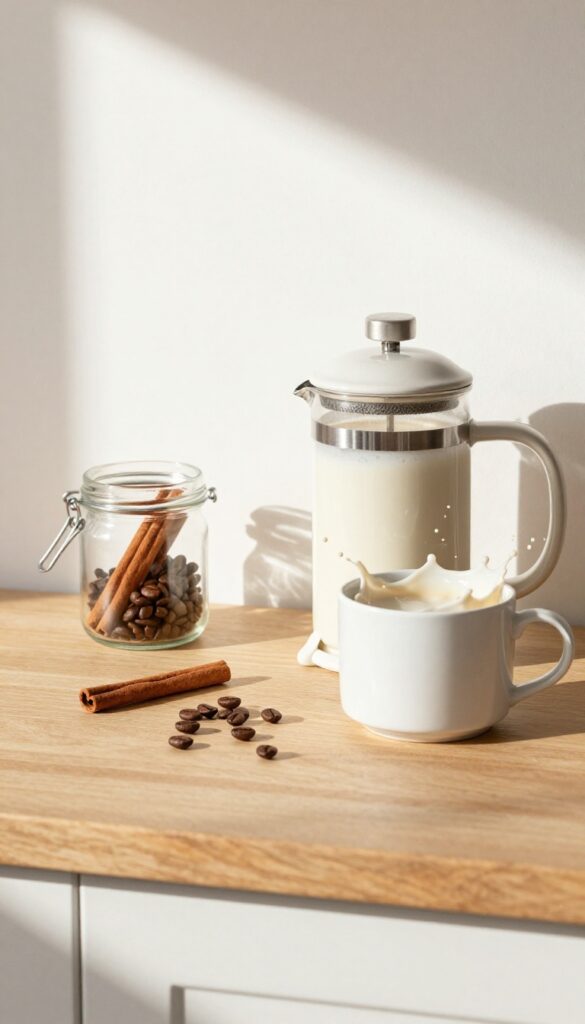
That daily latte or iced mocha might feel like a small treat, but the cost adds up fast. A $5 drink five days a week becomes $100 a month—money that could go toward savings, debt, or something you actually need. This challenge is simple: no coffee shop drinks for two weeks.
Brew at home, drink water, or skip caffeine entirely. It's a short reset that makes you rethink convenience spending.
The Real Cost Of Your Daily Fix
Let's do the math: one specialty coffee at $5. 50 per day equals $38. 50 per week, $154 per month, nearly $1, 850 per year.
That's a plane ticket, a nice emergency fund boost, or several months of a streaming subscription. When you see it as a yearly number, skipping it for two weeks feels like a no-brainer.
How To Make Home Brew Actually Enjoyable
You don't need a fancy espresso machine. A simple French press, pour-over cone, or even instant coffee can be upgraded with a splash of vanilla syrup or oat milk. Experiment with flavors you'd never try at a coffee shop—cinnamon, cardamom, or a dash of cocoa.
Make it a morning ritual, not a chore.
Track Your Savings And Redirect Them
Keep a jar or a notes app tally of every drink you didn't buy. At the end of two weeks, you'll have a tangible amount—likely $50 to $80. Decide in advance where that money will go: into a savings account, toward a small debt, or as a reward for completing the challenge.
Seeing the result makes the sacrifice worth it.
Free PDF Download
Not Sure Which Side Hustle Fits You Best?
Take the free Side Hustle Matchmaker Quiz and get a simple 7-day starter plan to help you choose a beginner-friendly idea based on your time, skills, comfort level, and goals.
You’ll get this free PDF plus access to the full Marketerna Save More & Earn More PDF Kit. No spam. Unsubscribe anytime.
5. The No Spend Weekend
A full weekend without spending a dime sounds extreme, but it's surprisingly liberating. The goal is simple: from Friday evening to Sunday night, you don't open your wallet for anything non-essential. No coffee runs, no takeout, no random Target trips.
Just free fun and a chance to see how much you normally spend on convenience.
Pick a weekend and commit to spending zero money. Plan free activities like hiking, movie nights, or board games. It's a reset button for your wallet.
Plan Ahead For Success
Stock your fridge and pantry on Thursday so you have meals and snacks ready. Check the weather and map out free events or outdoor spots. Let friends or family know you're doing a no-spend challenge so they don't invite you to paid activities.
Free Fun Ideas
Go for a hike, have a picnic in the park, host a board game night, or binge a show you already pay for. Visit a library, do a craft with supplies you already own, or have a movie marathon with DVDs or streaming you already subscribe to.
What You'll Learn
You'll notice how often you spend out of boredom or habit. That morning latte or spontaneous takeout dinner adds up fast. After one weekend, you'll see exactly where your money leaks.
6. The Subscription Audit Challenge
Subscriptions are sneaky. They quietly charge your card every month, and you probably don't think twice about them. Streaming services, app memberships, subscription boxes, cloud storage—they add up fast.
This challenge asks you to list every single subscription you're paying for, then cancel or pause anything you haven't used in the last 30 days. Most people find at least $50 in monthly savings, often more.
Start by checking your bank and credit card statements for the past three months. Write down every recurring charge, no matter how small. Then go through each one and ask: Did I use this in the last month?
Is it worth the cost? If the answer is no, cancel it right away. For services you use occasionally, see if you can pause them or switch to a cheaper plan.
Where To Look
Don't just check your email inbox. Log into your phone's subscription settings (App Store or Google Play), your streaming accounts, and any membership sites. Also look for annual subscriptions you might have forgotten—they often renew automatically at a higher rate.
What To Keep Vs. Cancel
Be honest about what you actually use. If you haven't opened that fitness app in two months, let it go. For services you love but rarely use, consider sharing a family plan or downgrading to a free tier.
Keep only the ones that bring real value to your week.
The Savings Add Up
Even small subscriptions matter. A $5 app plus a $10 streaming service plus a $15 box equals $30 a month—that's $360 a year. Use the money you save to pay down debt or build an emergency fund.
You'll feel lighter and more in control.
7. The Gas Station Snack Ban
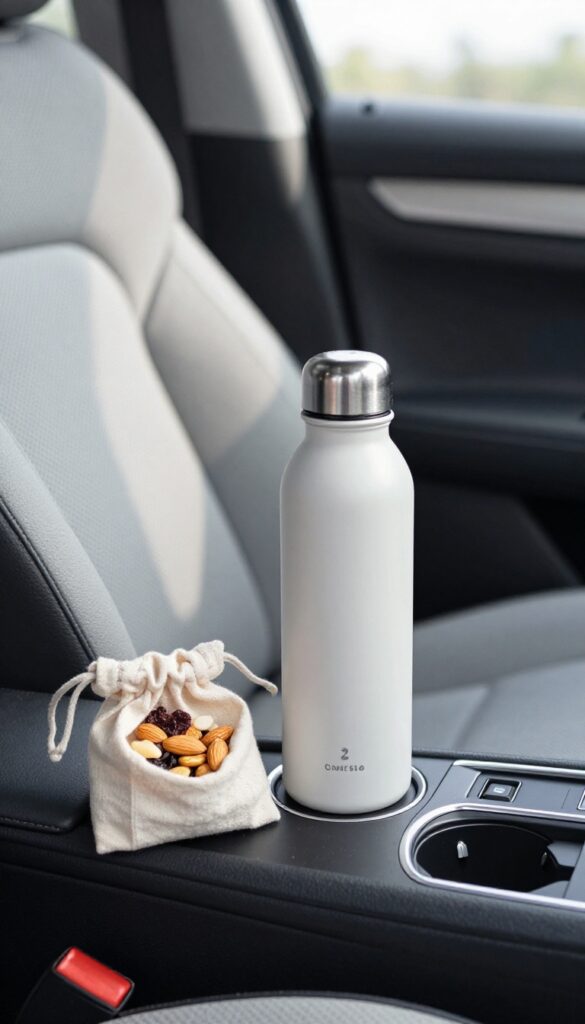
Gas station snacks are a silent budget leak. It's easy to justify a candy bar or a bag of chips when you're fueling up, but those small purchases add up fast. Two weeks without convenience store snacks can save you a surprising amount and help you build a healthier habit.
For the next 14 days, no buying snacks or drinks at gas stations, convenience stores, or vending machines. Pack your own snacks from home instead. You'll save money and avoid the markup that comes with grab-and-go items.
The Real Cost Of Convenience
A bottle of water and a granola bar might cost $5 at a gas station. Do that twice a week, and you've spent $40 in a month. Over a year, that's nearly $500.
Packing your own snacks cuts that cost to almost nothing.
How To Prepare
Keep a small stash of non-perishable snacks in your car or bag. Think nuts, dried fruit, protein bars, or crackers. Fill a reusable water bottle before you leave home.
Having your own options makes it easier to resist the impulse buy.
What You'll Gain
Beyond the savings, you'll break the automatic habit of buying something every time you see a convenience store. That awareness can lead to smarter choices in other areas of spending too.
8. The No Impulse Buy Challenge
Impulse buys are the silent assassins of a budget. They feel justified in the moment—a reward, a pick-me-up, a great deal—but rarely deliver lasting value. This challenge cuts that cycle by forcing a simple pause.
For 30 days, commit to waiting 24 hours before buying anything non-essential. That means clothes, gadgets, home decor, books, takeout, or any item you didn't plan to buy. When the urge strikes, write it down on a list or in your phone.
The next day, revisit the list. You'll be surprised how many items lose their appeal after a good night's sleep.
Why 24 Hours Works
The initial rush of wanting something is often emotional, not logical. A day gives your brain time to reset. You start asking practical questions: Do I really need this?
Where will it go? Could the money be better used elsewhere? Most impulse buys fail this test.
What Counts As Non-essential?
Essentials are groceries, gas, bills, and necessary health items. Everything else—clothing, accessories, takeout, entertainment, decor—is fair game for the waiting period. If you're unsure, ask yourself: Can I live without it for 24 hours?
If yes, it's an impulse.
Track Your Saved Urges
Keep a running list of everything you wanted but didn't buy. At the end of the month, tally up what you didn't spend. That number is your savings.
You might also notice patterns—late-night online shopping, stress-induced buys, or certain triggers you can avoid going forward.
9. The Free Entertainment Challenge
Entertainment is one of those budget categories that quietly eats up cash without you noticing. Streaming subscriptions, movie tickets, concert fees, and even a casual dinner out can add up to hundreds of dollars a month. But here's the thing: fun doesn't have to come with a price tag.
This challenge asks you to replace every paid entertainment option with a free alternative for one week. The goal isn't to suffer through boredom—it's to rediscover how much enjoyment is already available at zero cost.
For seven days, commit to zero spending on entertainment. That means no Netflix, no Spotify Premium, no movie theaters, no arcades, no paid events. Instead, you'll rely on free resources: library books, public parks, free museum days, YouTube workouts, board games you already own, and community events.
You might be surprised how many engaging activities are hiding in plain sight. The challenge resets your definition of fun and shows you that a good time doesn't require a receipt.
Scout Your Local Freebies
Start by checking your local library's event calendar—many offer free workshops, movie screenings, and author talks. Museums often have free admission days or pay-what-you-wish hours. Parks and nature trails are always open, and many cities host free concerts or outdoor fitness classes.
A quick online search for "free events near me" can uncover a week's worth of activities.
Diy Entertainment At Home
You don't need to leave the house to have fun. Host a board game night with friends, have a movie marathon using free streaming services like Kanopy or Pluto TV, or dive into a book from the library. YouTube offers endless workout videos, cooking tutorials, and documentaries.
The key is to treat these activities as intentional entertainment, not just filler.
The Surprise Benefit: Less Decision Fatigue
When you remove paid options, you simplify your choices. Instead of scrolling through 50 streaming titles or deciding which restaurant to try, you pick from a smaller set of free alternatives. This actually reduces the mental load of planning your downtime, making your free time feel more relaxing and less cluttered.
10. The No Beauty or Grooming Spend
Beauty and grooming products are easy to justify—until you add up what you spend in a month. This challenge asks you to pause all purchases in this category for two weeks. That means no new nail polish, no haircuts, no skincare serums, no shaving creams.
You'll rely solely on what's already in your bathroom cabinet. The goal isn't deprivation; it's awareness. You might discover you already have everything you need, and that the urge to buy is often stronger than the actual need.
For 14 days, commit to zero spending on beauty and grooming. That includes salon visits, drugstore runs, and online orders for makeup, hair products, skin care, nail care, fragrances, and tools. Use up what you have.
If you run out of something, improvise or go without. This challenge works best when you treat it like a reset—not a punishment. Track how many times you wanted to buy something and what triggered that urge.
You'll likely find that skipping a few products doesn't change how you look or feel, but it does change how you spend.
What Counts As Beauty And Grooming?
This category covers everything you use to maintain or enhance your appearance: makeup, skincare, haircare, nail products, shaving supplies, deodorant, perfume, and salon services like haircuts, waxing, and facials. Even small items like lip balm or a new razor count. If you're unsure, ask yourself: Am I buying this to change or maintain how I look?
If yes, it's included.
Make The Most Of What You Have
Before starting, take inventory of your current products. You probably have half-used bottles, sample sizes, and forgotten items. Challenge yourself to use them up or combine them in new ways.
For example, mix a little foundation with moisturizer for a tinted hydrator, or use dry shampoo to stretch between washes. This is also a good time to declutter expired or unwanted products.
What You'll Learn From This Challenge
After two weeks, you'll have a clearer picture of your beauty spending habits. Many people realize they buy out of boredom, stress, or social pressure rather than genuine need. You may also notice that your routine simplifies and still works fine.
The money saved can go toward a goal that matters more, like a trip or debt repayment.
11. The Cash Only Challenge
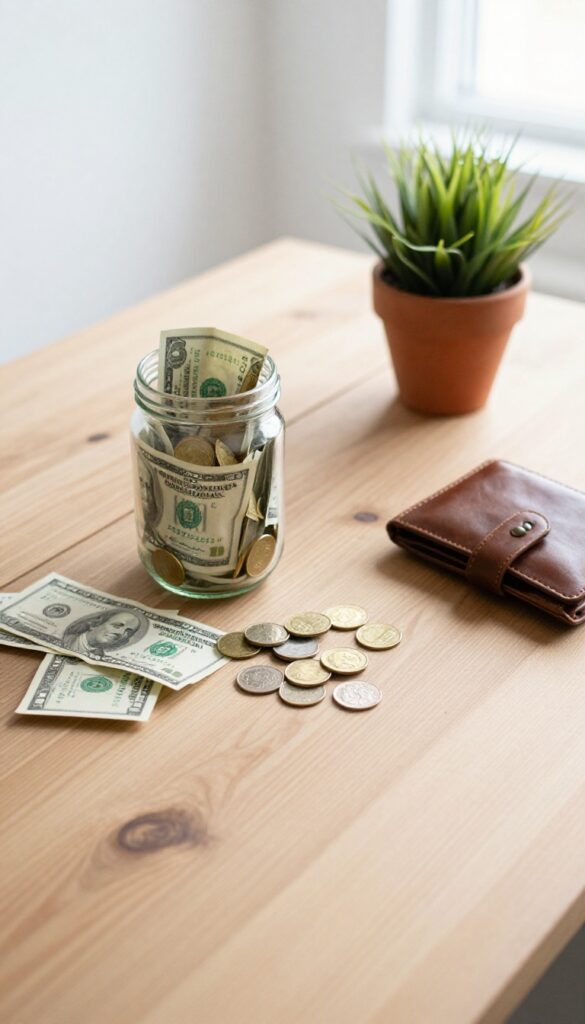
Plastic makes spending too easy—tap, swipe, and it’s gone. The Cash Only Challenge strips that away. Withdraw a fixed weekly amount for all discretionary spending and leave the cards at home.
You’ll feel every transaction, which naturally curbs impulse buys and keeps you honest.
This challenge works because cash is tangible. Handing over bills triggers a psychological pain that swiping doesn’t. You become hyper-aware of where your money goes, and you’ll think twice before buying that coffee or random gadget.
It’s a reset button for your spending habits.
How To Set Your Weekly Cash Limit
Review your past discretionary spending—coffee, eating out, entertainment, shopping. Pick a realistic but slightly lower number. Start with a week’s worth and adjust if needed.
The goal is to feel a pinch, not deprivation.
What Counts As Discretionary
Define it clearly: anything non-essential. Groceries, bills, and rent stay on cards. Cash covers dining out, snacks, clothes, hobbies, and fun.
If it’s not a necessity, it comes from the envelope.
Tips For Sticking To It
Withdraw cash on the same day each week. Use separate envelopes for categories if that helps. Track what you spend in a notes app.
When the cash runs out, you’re done spending—no exceptions. It’s surprisingly liberating.
12. The No Drive Challenge
Cars are convenient, but they're also expensive. Between gas, maintenance, insurance, and parking, the true cost of driving adds up fast. The No Drive Challenge asks you to park your car for an entire week and rely on walking, biking, or public transit instead.
It's a simple way to slash your transportation costs and maybe even discover a few hidden benefits along the way.
What You'll Save
Gas is the obvious savings, but you'll also reduce wear and tear on your vehicle. Less mileage means fewer oil changes, brake pads, and tire replacements down the road. If you normally pay for parking or tolls, those costs vanish too.
Even a week without driving can put a noticeable chunk of cash back in your wallet.
How To Make It Work
Start by mapping out your typical week. Identify trips you can easily replace with walking or biking—like the grocery store, coffee shop, or a friend's house. For longer commutes, check your local bus or train schedule.
If you live in a car-dependent area, try combining trips or carpooling for the few you can't avoid. The goal isn't perfection; it's awareness.
Unexpected Perks
Without the barrier of getting in a car, you might find yourself moving more and enjoying the journey. Walking or biking forces you to slow down and notice your surroundings. Public transit gives you time to read, listen to a podcast, or just zone out.
Many people discover they actually prefer the slower pace—and the extra money in their pocket.
13. The No Online Shopping Challenge
Online shopping is dangerously convenient. With saved payment info and one-click ordering, buying something takes less than ten seconds. That speed is exactly why it's so hard to resist.
This challenge asks you to block all online shopping sites for 30 days. No browsing, no adding to cart, no impulse buys. The goal is to break the habit of turning to retail therapy whenever you're bored or stressed.
The first few days might feel weird. You'll catch yourself typing Amazon or Target into your browser out of habit. That's normal.
Instead of shopping, redirect that energy: clean out a closet, read a book, or take a walk. After a week, the urge fades. By the end of the month, you'll realize how much money you saved and how little you actually missed those packages.
How To Block Temptation
Use browser extensions like StayFocusd or Freedom to block shopping sites. Remove saved credit cards from your accounts. Unsubscribe from promotional emails.
Make it harder to buy, and you'll buy less.
What To Do Instead
Create a list of free activities you enjoy: hiking, cooking a new recipe, calling a friend, or visiting the library. When the urge to shop hits, pick something from that list. It replaces the dopamine hit of buying with something healthier.
The 30-day Rule
If you see something you truly need, write it down and wait 30 days. Most items will seem unnecessary after the challenge ends. For the few that still matter, you can buy them mindfully.
14. The No Alcohol Challenge

A couple of drinks after work, a bottle of wine with dinner, or a round at happy hour—it all adds up faster than you'd think. For two weeks, skip alcohol entirely. You'll be surprised how much you save, and you'll wake up feeling clearer and more energetic.
Alcohol is a sneaky budget drain because it's often a social habit, not a planned expense. Bars mark up drinks significantly, and even at-home drinking can cost $10–$20 per bottle. Over two weeks, skipping alcohol can free up $50–$150 or more, depending on your habits.
Plus, you'll avoid the post-drink impulse buys—like late-night takeout or online shopping—that often follow.
How Much You'll Save
Track what you'd normally spend on alcohol in two weeks. A few craft beers at a bar can hit $30 in one outing. A bottle of wine a few nights a week adds up to $40–$60.
By cutting it out completely, you'll see a direct boost in your savings or debt payoff fund.
Tips For Sticking With It
Replace the ritual with something else—sparkling water with lime, a mocktail, or a hot tea. If you're socializing, offer to be the designated driver or suggest a coffee meetup instead. Let friends know you're doing a challenge so they can support you.
The Bonus Benefits
Beyond the money, you'll likely sleep better, have more energy, and maybe even drop a few pounds. Many people report clearer skin and improved focus. It's a two-week reset that pays off in multiple ways.
15. The No Gifts Challenge
Gift-giving can quietly drain your budget, especially when you feel pressured to buy something for every birthday, holiday, or celebration. This challenge asks you to pause store-bought presents for a month and give only homemade or free gifts instead. A handwritten note, a batch of cookies, or a framed photo can mean more than anything from a shop.
The goal is not to cheap out but to shift the focus from price tags to thoughtfulness. You'll likely find that people appreciate the effort and creativity more than a generic gift card. Plus, you'll save a surprising amount of money—and maybe start a new tradition.
What Counts As A Gift
Homemade treats, a playlist, a coupon for a favor, a heartfelt letter, or even a small plant from your garden. Anything that doesn't require a trip to the store counts. The key is personalization, not perfection.
How To Handle Obligations
If a birthday or event falls during the challenge, plan ahead. Offer to bring a dish, give a digital gift like a custom playlist, or simply explain you're doing a low-spend experiment—most people will understand and appreciate your honesty.
The Real Payoff
Beyond the money saved, you'll discover how much value can come from time and thought. You might even find that homemade gifts become your go-to long after the month ends.
16. The No Takeout Lunch Challenge
Lunchtime is a sneaky budget killer. A sandwich here, a salad there—it seems harmless, but those $10–15 transactions add up fast. This challenge asks you to bring lunch from home every day for two weeks.
No cafeteria, no fast food, no delivery. That's $50–100 saved easily, plus a chance to get creative with leftovers.
Packing lunch isn't just about saving money; it's about reclaiming control over your midday meal. You'll eat healthier, waste less food, and break the habit of impulsive spending. The first few days might feel inconvenient, but by week two, it becomes second nature.
Make It Easy, Not Perfect
Don't aim for gourmet lunches. Leftovers from dinner are the ultimate hack—just pack them the night before. Keep a stash of easy options like canned soup, pre-made salads, or frozen meals for backup.
The goal is consistency, not culinary excellence.
Track Your Savings
Write down what you would have spent each day. Seeing that total grow is surprisingly motivating. At the end of two weeks, treat yourself (modestly) with part of the savings—maybe a nice coffee or a new reusable lunch container.
Break The Routine
If you miss the social aspect of eating out, suggest a picnic in the park or a walk-and-eat session with coworkers. You can still enjoy a break without spending. And when the challenge ends, aim to pack lunch at least three days a week to keep the savings going.
17. The No Tech Upgrade Challenge

Tech companies release new gadgets every year, and the marketing makes you feel like your current phone or laptop is obsolete. But is it really? This challenge asks you to pause all tech purchases for 30 days—no new phone, tablet, laptop, or even accessories like cases and chargers.
You'll likely realize your current gear still works perfectly fine.
By resisting the upgrade urge, you save hundreds or even thousands of dollars. Plus, you break the cycle of always wanting the newest model. Use this month to appreciate what you already own and question whether you truly need the latest version.
Why We Fall For Upgrades
Companies design products with planned obsolescence and subtle software changes to make older models feel slow. But most of the time, a simple reset or battery replacement can extend your device's life. The real cost isn't just the new gadget—it's the case, screen protector, and accessories that follow.
What To Do Instead
Clean up your device's storage, delete unused apps, and update the software. You might find it runs like new. If you're tempted, unsubscribe from tech newsletters and avoid browsing electronics sections.
Redirect that energy into learning a new skill or organizing your digital files.
The Real Savings
Skipping one major tech upgrade can save you $500–$1, 500 in a month. Over a year, that's a vacation or an emergency fund boost. Plus, you reduce electronic waste and the mental clutter of constantly chasing the next big thing.
FAQ
What is a low spend challenge?
A low spend challenge is a short-term commitment to reduce spending in a specific area. It's like a no spend challenge but more flexible—you still spend on essentials but cut back on extras.
How long should a low spend challenge last?
Most challenges last one week to one month. Start with a week to build confidence, then extend if you want. The key is consistency, not duration.
Can I do multiple challenges at once?
Yes, but it's better to start with one or two. Overloading can lead to burnout. Pick the challenge that targets your biggest spending area first.
What if I slip up during a challenge?
Don't quit. Acknowledge the slip, learn from it, and continue. The goal is progress, not perfection.
Even a partial challenge saves money.
How much money can I save with these challenges?
Savings vary, but many people save $100–$500 per month. Combining challenges or repeating them can lead to significant annual savings.
Conclusion
These challenges show that resetting your spending doesn't require a total lifestyle overhaul—just a few intentional swaps. Pick one idea that feels almost too easy, like a no-buy day or a pantry-only meal, and try it this week.
That single small win builds momentum. Before you know it, you'll have extra cash and a clearer sense of what truly matters.
Free PDF Download
Not Sure Which Side Hustle Fits You Best?
Take the free Side Hustle Matchmaker Quiz and get a simple 7-day starter plan to help you choose a beginner-friendly idea based on your time, skills, comfort level, and goals.
You’ll get this free PDF plus access to the full Marketerna Save More & Earn More PDF Kit. No spam. Unsubscribe anytime.