
17 52-Week Savings Challenge Ideas to Try
You've heard of the classic 52-week challenge—save $1 the first week, $2 the second, and so on. But what if that steady climb doesn't fit your paycheck or personality?
The good news is there are dozens of twists on the original idea, each designed to match different income patterns and spending habits. Whether you get paid bi-weekly, prefer rounding up spare change, or want to tackle debt while you save, there's a version here that will actually stick.
Pick the one that feels doable, start small, and let the momentum carry you through the year.

Free PDF Download
Not Sure Which Side Hustle Fits You Best?
Take the free Side Hustle Matchmaker Quiz and get a simple 7-day starter plan to help you choose a beginner-friendly idea based on your time, skills, comfort level, and goals.
You’ll get this free PDF plus access to the full Marketerna Save More & Earn More PDF Kit. No spam. Unsubscribe anytime.
1. The Classic Reverse Challenge

Instead of starting small and building up, flip the script entirely. With the reverse challenge, you put away $52 in week one, then $51 in week two, and keep dropping by a dollar each week. By the end, you're only saving $1 in week 52.
The total is exactly the same—$1, 378—but the psychology is completely different.
The reverse approach works because it tackles the hardest weeks first, when your motivation is fresh and you haven't faced any savings fatigue yet. That big initial deposit feels like a bold commitment, and as the year goes on, the decreasing amounts give you a sense of relief and accomplishment. It's especially effective if you get a bonus or tax refund early in the year that you can use to front-load the challenge.
Why Front-loading Works
Motivation peaks at the start of any goal. By putting the largest savings early, you build momentum and a safety net fast. Later, when life gets busy or expensive, the smaller amounts feel almost effortless.
Best For Bonus Or Lump Sum Income
If you receive an annual bonus, a tax refund, or a holiday gift of cash in January, this challenge is a perfect match. You can drop that lump sum into week one and then coast on smaller weekly transfers from your regular paycheck.
How To Automate It
Set up a recurring transfer for the first few weeks manually, then adjust the amount downward each month. Or use a savings app that lets you schedule decreasing transfers. Just remember to update it every few weeks so you don't accidentally keep saving $52.
2. The Payday Challenge
If you get paid bi-weekly or twice a month, this version syncs perfectly with your cash flow. Instead of saving a fixed amount each week, you save a set amount every time you receive a paycheck. It's automatic, predictable, and removes the guesswork from budgeting.
The Payday Challenge works like this: decide on a base amount you can comfortably save per paycheck, then increase it by a fixed increment each pay period. For example, if you get paid bi-weekly, save $26 the first payday, $52 the second, $78 the third, and so on. By the end of the year, you'll have saved over $3, 000 without ever feeling a huge pinch.
Why It Works
Aligning savings with your pay schedule means the money leaves your account before you have a chance to spend it. It's a classic 'pay yourself first' strategy, but with a gradual increase that keeps it challenging yet doable. Plus, you never have to worry about having enough cash mid-month.
How To Set It Up
Start by choosing your pay frequency—bi-weekly, semi-monthly, or monthly. Then pick a base amount that won't stress your budget. A good rule is to start with 1% of your net pay.
Set up an automatic transfer from checking to savings on payday, and increase the amount by the same percentage each period.
Customizing The Challenge
If bi-weekly increments feel too fast, stretch it to monthly. Or reverse the order: start high and decrease each payday to give yourself breathing room later in the year. The key is consistency—whatever schedule you choose, stick to it for the full 52 weeks.
Free PDF Download
Not Sure Which Side Hustle Fits You Best?
Take the free Side Hustle Matchmaker Quiz and get a simple 7-day starter plan to help you choose a beginner-friendly idea based on your time, skills, comfort level, and goals.
You’ll get this free PDF plus access to the full Marketerna Save More & Earn More PDF Kit. No spam. Unsubscribe anytime.
3. The No-Spend Week Challenge
Not every savings challenge needs a fixed dollar amount. The No-Spend Week Challenge is all about building awareness and breaking the autopilot on small, frequent purchases. Each week, you pick one spending category to skip entirely—maybe dining out one week, coffee the next, or subscription services the week after.
The money you would have spent gets transferred straight into savings. The amount varies, but the habit sticks.
The beauty of this challenge is its flexibility. You don't need a strict budget or a calculator. Just choose a category, commit to zero spending in that area for seven days, and move the cash you saved.
Over a year, those skipped categories add up to hundreds or even thousands of dollars. Plus, you'll start noticing where your money really goes.
How To Pick Your Weekly Category
Start with the easiest wins. Dining out, takeout coffee, snacks, or impulse buys are great first categories. Each week, rotate or repeat based on what feels challenging.
You can also mix it up: one week skip entertainment, the next skip clothing. The key is to pick something you normally spend on but can survive without for seven days.
Track And Transfer
At the end of each no-spend week, tally up what you would have spent. Transfer that exact amount to your savings account. If you're not sure of the exact number, round up to the nearest $10 or $20.
Seeing the balance grow from these small sacrifices is surprisingly motivating.
Make It A Game
Challenge a friend or partner to do the same category each week. Compare your savings at the end of the month. A little friendly competition can keep you honest and make the process more fun.
You can even reward yourself with a small treat from your savings after completing four weeks.
4. The Round-Up Challenge
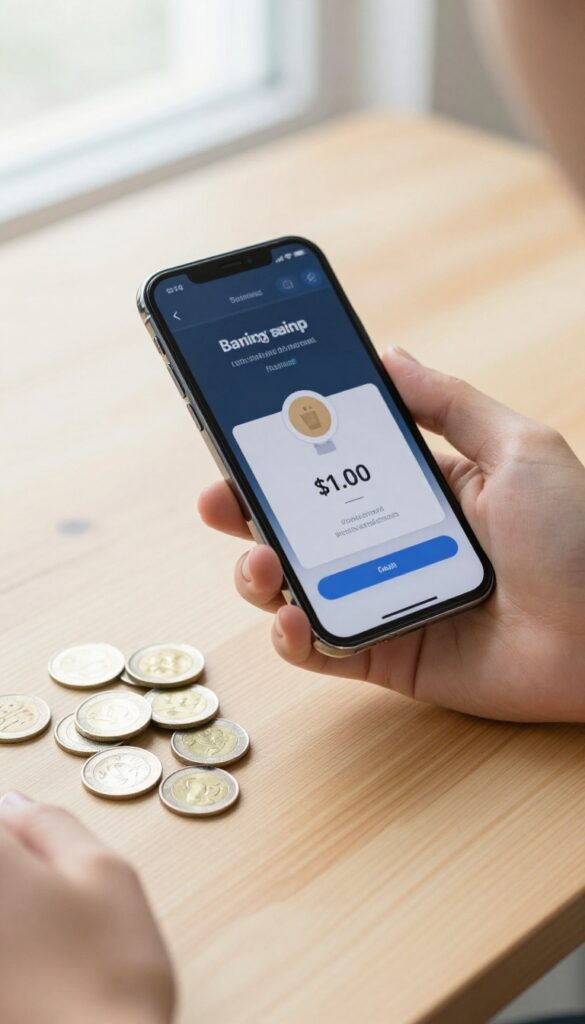
Ever notice how spare change from a coffee or a gas purchase seems to disappear? The Round-Up Challenge puts those coins to work. Every time you buy something, you round up the total to the nearest dollar and stash the difference in savings.
Over 52 weeks, those tiny transfers can quietly grow into hundreds of dollars—without you feeling a thing.
The beauty of this challenge is that it adapts to your spending. If you buy a lot of small items, you'll save more; if your purchases are bigger, the round-ups are smaller but still add up. It's effortless because the amounts are too small to miss, yet consistent enough to build real savings by year's end.
How To Automate It
Most banking apps now offer automatic round-up features. Link your debit or credit card, and every transaction gets rounded up to the next dollar. The spare change goes straight into a savings account or investment bucket.
Set it and forget it—no manual transfers needed.
What If You Use Cash?
If you're a cash spender, keep a jar or envelope at home. At the end of each day, drop in the coins and small bills you'd normally ignore. Once a week, deposit that amount into your savings.
It's a bit more hands-on but still painless.
Boosting The Challenge
Want to save even more? Double your round-up—round to the next $2 instead of $1. Or set a monthly minimum transfer of, say, $25, so even light spending months keep you on track.
The round-up is the base; you can always add a little extra.
Free PDF Download
Not Sure Which Side Hustle Fits You Best?
Take the free Side Hustle Matchmaker Quiz and get a simple 7-day starter plan to help you choose a beginner-friendly idea based on your time, skills, comfort level, and goals.
You’ll get this free PDF plus access to the full Marketerna Save More & Earn More PDF Kit. No spam. Unsubscribe anytime.
5. The 52-Week Envelope Challenge
This version adds a dash of mystery to your savings routine. You label 52 envelopes with amounts from $1 to $52, then each week you pick one at random and deposit that cash. The surprise element keeps it exciting—you never know if you'll pull a $5 or a $50.
It's perfect for people who get bored with predictable routines. The randomness also helps smooth out your cash flow: some weeks you save a little, others a lot, but it all adds up to $1, 378 by year's end.
How To Set It Up
Grab 52 small envelopes and a permanent marker. Write each dollar amount from $1 to $52 on a separate envelope. You can use actual cash or just track the amounts in a savings app—whatever feels more real to you.
Ways To Keep It Fun
Mix the envelopes in a jar or box so you truly pick at random. Some people add a twist: if you pull a number you already saved, you swap it back and pick again. Or set a rule that you can't peek—just grab and go.
What To Do If You Hit A Big Number
If you pull a $50 envelope during a tight week, don't stress. You can either swap it for an unclaimed smaller envelope or treat it as a challenge to find the money. The goal is consistency, not perfection.
6. The Bi-Weekly Boost Challenge
Getting paid every two weeks can make monthly savings challenges feel awkward. This version lines up perfectly with your pay schedule. You save a fixed amount each payday, but that amount increases every two weeks.
Start at $25, then jump to $50, then $75, and keep climbing. It’s like a mini reverse challenge that builds momentum fast.
The Bi-Weekly Boost Challenge is designed for people who get paid every two weeks. Instead of saving weekly, you save on each payday, and the amount increases incrementally. For example, you might save $25 on your first payday, $50 on the next, $75 on the next, and so on.
Over 26 pay periods (one year), this adds up to $8, 775 if you increase by $25 each time. You can adjust the starting amount and increment to fit your budget. The key is to keep the increase small enough to feel manageable but large enough to see progress.
How To Set It Up
Decide on your starting amount and increment. A common approach is to start at $25 and increase by $25 each payday. If that’s too steep, start at $10 and increase by $10.
Automate the transfer to a separate savings account on payday so you never see the money. This removes the temptation to spend it.
Why It Works
Aligning savings with your pay schedule makes it easier to stick with. The incremental increase feels like a natural progression, not a sudden jump. Plus, seeing the amount grow every two weeks gives you a quick win that keeps you motivated.
It’s especially effective if you get regular raises or bonuses, because you can increase the increment accordingly.
Tips For Success
Start with an amount that feels almost too easy. The first few paydays should be a no-brainer. If you miss a payday, don’t stress—just pick up with the next scheduled amount.
You can also pair this challenge with a spending freeze on non-essentials for the first two weeks to build a buffer.
7. The Debt Snowball Savings Challenge
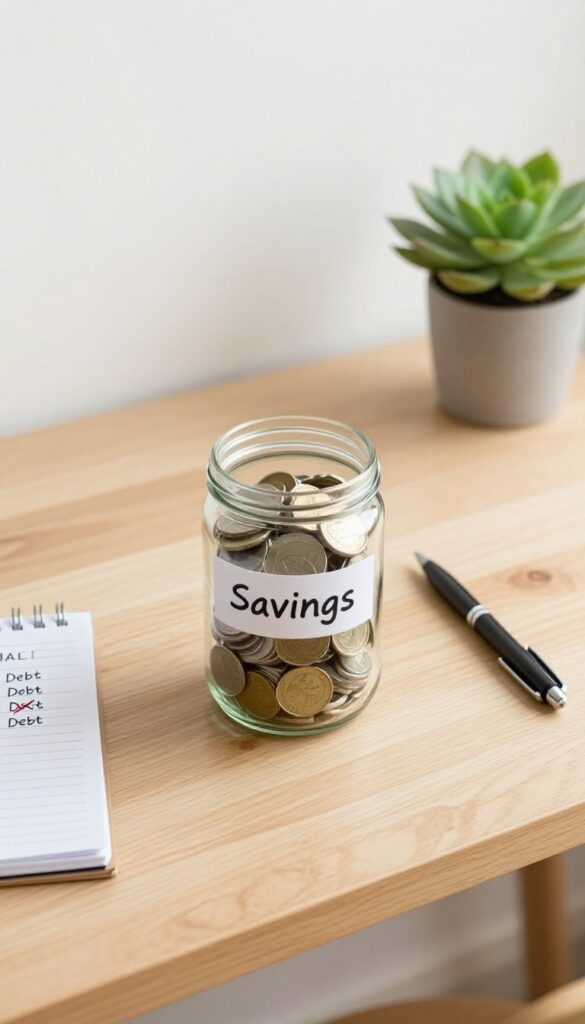
If you're carrying debt, saving money can feel like a contradiction. But what if you could do both at once? The Debt Snowball Savings Challenge flips the script: instead of sending extra cash to creditors, you redirect the amount of your smallest debt payment into a savings account each week.
Once that debt is paid off, you roll that payment amount into your savings, creating momentum that builds as your debts disappear.
This challenge works best for anyone who has multiple debts and wants a clear, motivating path. It's not about throwing every spare dollar at debt—it's about building a savings habit while you chip away at what you owe. The psychological win of seeing debts vanish one by one keeps you going, and your savings account grows right alongside your progress.
How To Set It Up
Start by listing all your debts from smallest to largest, ignoring interest rates for now. Look at the minimum payment on your smallest debt—that's your weekly savings target. Each week, transfer that exact amount into a separate savings account.
When that debt is paid off, take the amount you were saving weekly and add it to your savings contribution from the next smallest debt's payment. Your savings deposits increase naturally as debts drop off.
Why It Works
The debt snowball method is famous for its motivational power—small wins build confidence. By tying savings to debt payments, you create a dual reward system: every debt you eliminate gives your savings a boost. You're not sacrificing your future to pay the past; you're doing both at once.
It's practical because the amounts start small and grow only when you're ready.
Tips For Staying On Track
Automate the weekly transfer so you don't have to think about it. Keep your savings account separate from your checking to avoid temptation. Celebrate each debt payoff—even a small one—with a non-monetary reward like a walk or a movie night.
If you hit a tight week, save what you can and adjust the schedule. Consistency matters more than perfection.
8. The Themed Savings Challenge
If the standard weekly increments start to feel monotonous, a themed challenge can keep things fresh. Each month gets its own category—like dining out, entertainment, or groceries—and you save a small amount tied to that theme. It turns saving into a mini-game where every month feels different.
The beauty of this approach is flexibility. You decide the theme and the amount based on your own spending patterns. For example, if you know you spend $50 a month on takeout, challenge yourself to cut that by half and save the difference.
The variety keeps you engaged all year long.
How To Pick Your Themes
Start with categories where you can realistically cut back. Common themes include coffee, transportation, snacks, subscriptions, and clothing. List out your regular expenses and pick the ones that offer the most saving potential without feeling too restrictive.
Setting The Savings Amount
For each theme, decide a fixed amount you'll save per occurrence or per week. For instance, if January is coffee month, you might save $5 for every coffee you skip. If February is transportation, you could save $2 each time you carpool or take public transit.
The key is to make the amount meaningful but not painful.
Staying Motivated Through The Year
To keep momentum, consider a small reward after completing each month. Maybe treat yourself to something related to the next month's theme—like a new travel mug before your transportation month. Tracking progress visually, like on a calendar or in a savings app, also helps maintain excitement.
9. The 52-Week Money Jar Challenge
There's something satisfying about watching your savings grow in a physical container. The Money Jar Challenge turns saving into a daily habit that's both visual and tactile. Each day, you drop a specific coin into a jar—quarters on weekdays, loonies on weekends, for example.
By year's end, you'll have a hefty stash and the satisfaction of seeing it accumulate.
This challenge works best if you're motivated by tangible progress. The key is to pick coins that feel manageable but add up over time. You can adjust the coin denominations to fit your budget—maybe dimes on light days and toonies on paydays.
The jar itself becomes a constant reminder of your goal, making it harder to skip a day.
Pick Your Coins
Choose coin values that won't strain your daily budget. A simple plan: drop a quarter on weekdays and a loonie on weekends. That's $2.
25 per week or about $117 for the year. If you want a bigger finish, try loonies on weekdays and toonies on weekends—$7 per week, totaling around $364.
Make It A Family Activity
Get the whole household involved. Each family member can have their own jar, or you can pool coins into one big jar. Kids love the hands-on aspect, and it teaches them about saving.
Set a family goal, like a pizza party or a weekend trip, to keep everyone motivated.
Count And Celebrate
At the end of the year, gather your jar and count it up. Roll the coins or use a coin counter. The total might surprise you.
Treat yourself to something special with a portion of the savings, or roll it into a bigger financial goal. The act of counting reinforces your achievement.
10. The Percentage Challenge
Fixed dollar amounts can feel unfair when your income fluctuates. The percentage challenge solves that by tying your savings directly to what you earn. You start by saving just 1% of your weekly income, then increase that rate by 1% each week.
By week 52, you're saving 52% of your weekly pay—but because it's gradual, your budget adjusts naturally.
This approach is perfect for freelancers, gig workers, or anyone with variable income. It scales with your earnings, so you never feel pinched. Plus, it builds a powerful habit: saving becomes a percentage of your income, not just a leftover amount.
How It Works
Each week, calculate 1% of your take-home pay for that week. Save that amount. The next week, save 2%, then 3%, and so on.
By the end of the year, you'll be saving over half your weekly income—but by then, you'll have adjusted your spending to match.
Why It Works So Well
The gradual increase is key. A 1% bump each week is barely noticeable, but over time it adds up to serious savings. And because it's based on your actual income, you never have to scramble to make a fixed dollar amount work.
Tips For Success
Automate the transfer if you can. Use a separate savings account to avoid temptation. If you have a low-income week, the lower percentage keeps the challenge manageable—no guilt, no skipped weeks.
11. The No-Buy Year Challenge (52 Weeks)

This challenge turns saving into a lifestyle overhaul. Instead of just setting aside cash, you commit to not buying anything non-essential for an entire year. Every week, you transfer the money you would have spent on impulse buys—takeout coffee, new clothes, random Amazon finds—directly into savings.
It's extreme, but for those who need a reset, it's incredibly powerful.
What Counts As Non-essential?
Define your rules upfront. Essentials are things like groceries, rent, utilities, transportation, and necessary medical care. Non-essentials include dining out, entertainment, new gadgets, beauty products, and subscription services you rarely use.
Be honest with yourself—and consider allowing a small buffer for true emergencies.
How To Handle The Urge To Spend
Cravings will hit, especially in the first few weeks. Have a plan: unsubscribing from marketing emails, deleting shopping apps, and finding free alternatives for entertainment. When you feel the itch, pause and ask if you really need it.
Often, the urge passes after 24 hours.
What To Do With Your Savings
Decide where the money goes before you start. A high-yield savings account is a solid choice, or you could funnel it into an emergency fund, a down payment, or even a debt snowball. Watching the balance grow each week becomes its own reward.
12. The Sinking Fund Challenge
Big expenses can sneak up on you—holidays, car repairs, or that dream vacation. Instead of scrambling for cash when the bill arrives, the sinking fund challenge lets you break those costs into manageable weekly chunks. You pick a specific goal, decide how much you need, and spread it across 52 weeks.
This method turns a potentially stressful financial event into a calm, predictable process. By saving a fixed amount each week, you build a dedicated fund that's ready when you need it. No last-minute credit card swipes, no guilt—just a smooth path to your goal.
Pick Your Goal
Start with one expense that feels big but predictable—like a $1, 200 holiday gift budget or a $600 weekend getaway. Divide the total by 52 to get your weekly amount. For a $1, 200 goal, that's about $23 per week.
Small enough to fit in most budgets, big enough to make a difference.
Set Up A Separate Account
Open a free online savings account just for this fund. Name it something motivating like "Hawaii 2025" or "Christmas Cash. " Automate a weekly transfer from checking to savings so you never have to think about it.
Out of sight, out of mind—until you need it.
13. The Accountability Partner Challenge
Saving money is easier when someone else is counting on you. This challenge turns your savings goal into a shared mission with a friend, partner, or coworker. Each week, you both save the same amount and check in.
If one of you misses a week, they owe the other a small penalty—like $5 or a coffee treat. The social pressure keeps you honest, and the friendly competition makes it fun.
The Accountability Partner Challenge leverages the power of social commitment. When you know someone is watching, you're less likely to skip a week. Plus, you get the bonus of shared motivation and a built-in support system.
Choose a partner who is reliable and equally committed. Set clear rules upfront: the weekly amount, the penalty for missing, and how you'll track progress. A simple shared spreadsheet or a weekly text check-in works perfectly.
How To Choose Your Partner
Pick someone who is serious about saving and won't flake. A friend with similar financial goals is ideal. Avoid choosing a partner who might be easily discouraged or who treats the penalty as a joke.
You want someone who will hold you accountable, not enable excuses.
Setting The Penalty
The penalty should sting just enough to motivate but not so much that it causes resentment. $5 per missed week is a good starting point. Alternatively, agree on a fun consequence like buying the other person a coffee or doing a small chore. The key is to make it meaningful enough to prevent skipping.
Tracking And Celebrating
Use a shared app or a simple notebook to track weekly savings and penalties. At the end of the year, celebrate together—maybe with a joint dinner or a small trip funded by your combined savings. The shared victory makes the journey more rewarding.
14. The Windfall Challenge
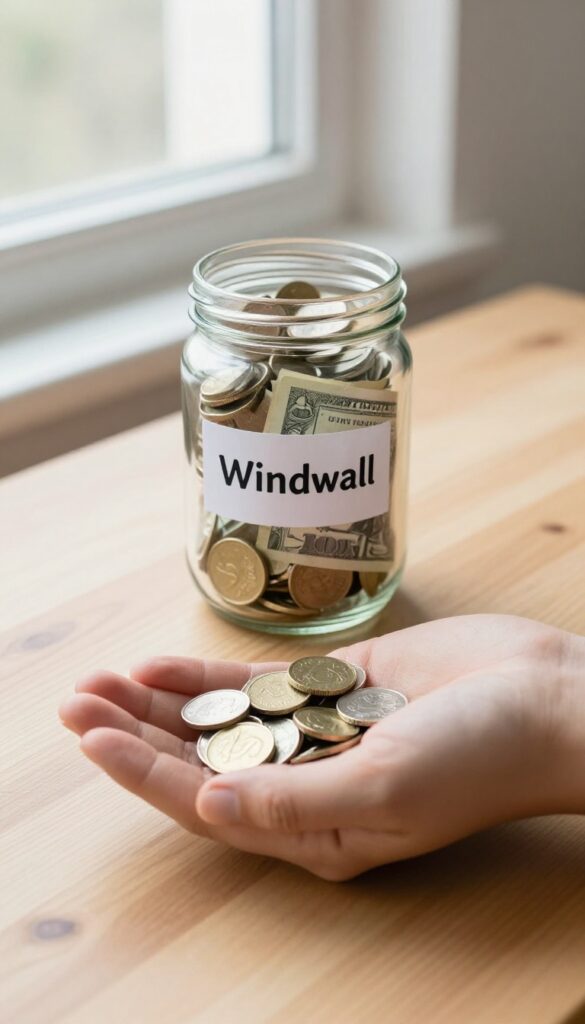
Unexpected money feels like a gift—and it is. But instead of spending it all, this challenge asks you to save a meaningful chunk. Windfalls like tax refunds, bonuses, cash gifts, or even lottery winnings become your savings fuel.
The beauty? There’s no fixed amount. You simply decide on a percentage (say, 50%) and save it each time a windfall arrives.
Over 52 weeks, you’ll build a cushion from what feels like found money.
Track every windfall in a simple spreadsheet or notes app. When the cash lands, transfer your chosen portion to savings immediately—before you’re tempted to splurge. By year’s end, you might be surprised how much you’ve set aside without ever feeling a pinch.
Choose Your Split
Decide upfront what percentage of each windfall goes to savings. 50% is a solid starting point, but you can adjust based on your goals. If you’re aggressive, go 75%.
If you need some fun money, 25% still adds up.
Make It Automatic
Set up a separate savings account and label it “Windfall. ” When unexpected cash arrives, transfer your share right away. Automating the move removes the mental friction and keeps your hands off the money.
Celebrate The Rest
The leftover portion is yours to enjoy guilt-free. Buy something nice, treat a friend, or invest in a hobby. Knowing part of the money is already saved makes spending the rest feel like a reward, not a regret.
15. The 52-Week Savings Bingo
If you like games and a bit of unpredictability, this twist turns saving into a year-long bingo match. You create a bingo card filled with different dollar amounts from $1 to $52. Each week, you pick an amount to save and mark it off.
The goal? Complete a row, column, or diagonal to get bingo. It's flexible, fun, and keeps you engaged all year.
Gamification makes saving feel less like a chore and more like a challenge. You decide which amounts to save each week based on your cash flow, so there's no rigid schedule. Plus, the visual progress of marking off squares gives a satisfying sense of achievement.
How To Set Up Your Bingo Card
Start with a 5×5 or 6×6 grid. Randomly assign dollar amounts from $1 to $52 in each square. You can print a blank card or use a digital spreadsheet.
The key is to have a mix of small and large amounts so you have options each week.
Ways To Play
You can aim for one bingo line per month, or try to fill the entire card by year's end. Some people play blackout bingo—mark every square—which means saving every dollar amount from $1 to $52 at least once. That totals $1, 378, same as the classic challenge.
Tips For Staying On Track
Keep your bingo card somewhere visible, like on your fridge or as a phone wallpaper. Celebrate each bingo line with a small reward (maybe a coffee or a movie night). If you hit a tight week, just pick a low amount—there's no penalty for choosing the $1 square.
16. The Minimalist Challenge
Saving money and decluttering your home can go hand in hand. The Minimalist Challenge asks you to sell one item each week and put the proceeds directly into savings. It's a simple way to clear out what you no longer need while building a financial cushion.
Each week, choose one item you own but rarely use—old electronics, clothes, books, or kitchen gadgets. List it online or have a garage sale. Whatever you earn goes straight to your savings account.
Over 52 weeks, you'll not only make money but also free up physical and mental space.
Where To Sell
Online marketplaces like Facebook Marketplace, eBay, or Poshmark work well for most items. For quick cash, consider local consignment shops or a yard sale. Price items fairly to move them fast.
What To Sell
Start with obvious clutter—clothes that don't fit, gadgets you've replaced, or decor you're tired of. As you go deeper, you might find items with more value, like collectibles or furniture. The goal is to let go of things that don't serve you.
Track Your Progress
Keep a simple log of what you sold and how much you earned. Watching the total grow is motivating. By year's end, you'll have a cleaner home and a nice chunk of change saved.
17. The Custom Hybrid Challenge
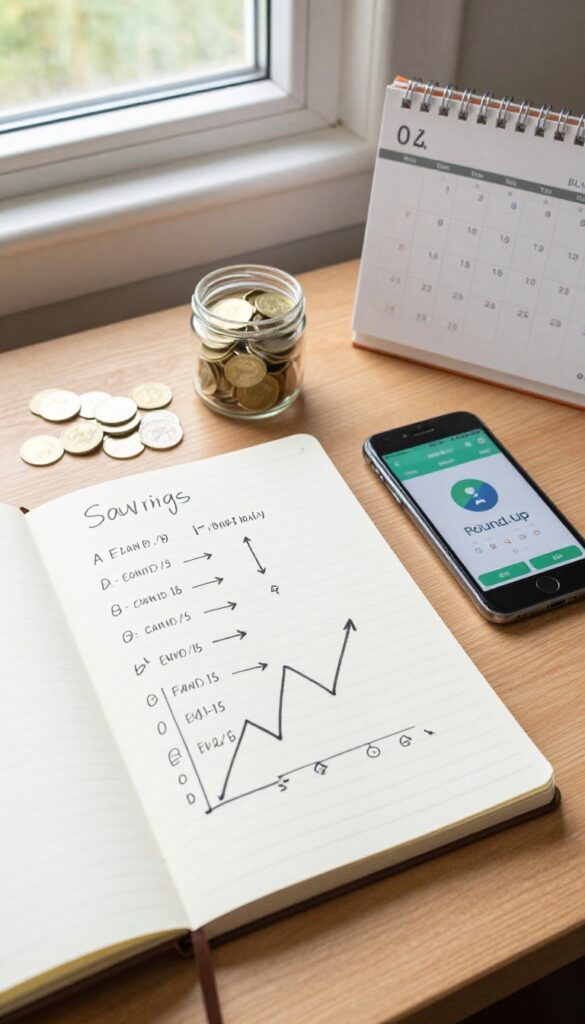
Why settle for one method when you can cherry-pick the best parts of several? The Custom Hybrid Challenge lets you design a savings plan that fits your life, not the other way around. Maybe you love the reverse structure but want to add round-ups from your daily coffee runs.
Or perhaps you prefer weekly deposits but need a bi-weekly schedule that matches your paydays. The point is to combine elements that actually work for you, so saving feels less like a chore and more like a personal game.
Start by listing what appealed to you from the other challenges. Then mix and match: take the reverse week amounts, add a round-up app, and schedule deposits on your paydays. The goal is to create a plan that feels effortless and sustainable.
Track your custom plan in a notebook or a simple spreadsheet. Adjust as you go—this challenge is yours to tweak.
Pick Your Favorite Mechanics
Maybe you like the reverse challenge's decreasing amounts or the bi-weekly schedule. Or you prefer the round-up method but want to set a weekly target. Choose two or three mechanics that feel doable and combine them.
For example, use the reverse weekly amounts but deposit them every two weeks. Or stick with the classic weekly increase but round up every purchase to the nearest dollar.
Set Your Own Rules
Decide how much you want to save by year-end and work backward. If your goal is $1, 500, you could save $30 most weeks with a few higher or lower weeks. Or set a weekly range—say $5 to $50—and pick an amount each week based on your cash flow.
Write down your rules so you don't second-guess yourself later.
Make It Fun With Mini Rewards
Add small incentives to keep motivation high. For every four weeks you stick to your plan, treat yourself to a $5 coffee or a movie night. Or if you hit a milestone like $500 saved, do something special.
The reward should be small enough not to derail your savings but big enough to feel like a win.
FAQ
How much can I save with a 52-week savings challenge?
The classic challenge saves $1, 378 over the year. But with variations like the reverse or percentage challenge, the total can be higher or lower depending on your starting amount and increases.
What if I miss a week?
Don't stress. Just double up the next week or adjust the schedule. The goal is progress, not perfection.
Many challenges have built-in flexibility for missed weeks.
Can I do this challenge if I have irregular income?
Absolutely. Try the percentage challenge or the windfall challenge. They adapt to your cash flow.
You can also use a lower base amount and increase only when you can.
Should I keep the savings in a separate account?
Yes, it's best to use a high-yield savings account or a dedicated jar. Keeping the money separate reduces the temptation to spend it and helps you track progress.
What's the best challenge for beginners?
The classic reverse challenge is great because it starts easy and builds momentum. The round-up challenge is also beginner-friendly since it's automated and requires no effort.
Conclusion
You don't have to try all 17 challenges at once. Pick one that excites you—maybe the no-spend month or the weekly transfer plan—and give it a go. Small, consistent steps build real momentum.
Before you know it, you'll have a solid savings habit and a growing nest egg. Start today, and watch your progress add up.
Free PDF Download
Not Sure Which Side Hustle Fits You Best?
Take the free Side Hustle Matchmaker Quiz and get a simple 7-day starter plan to help you choose a beginner-friendly idea based on your time, skills, comfort level, and goals.
You’ll get this free PDF plus access to the full Marketerna Save More & Earn More PDF Kit. No spam. Unsubscribe anytime.